
How to Help a Cat Use a Scratching Post
Published Updated

Writer and editor focusing on everyday care and life with a new dog or cat.
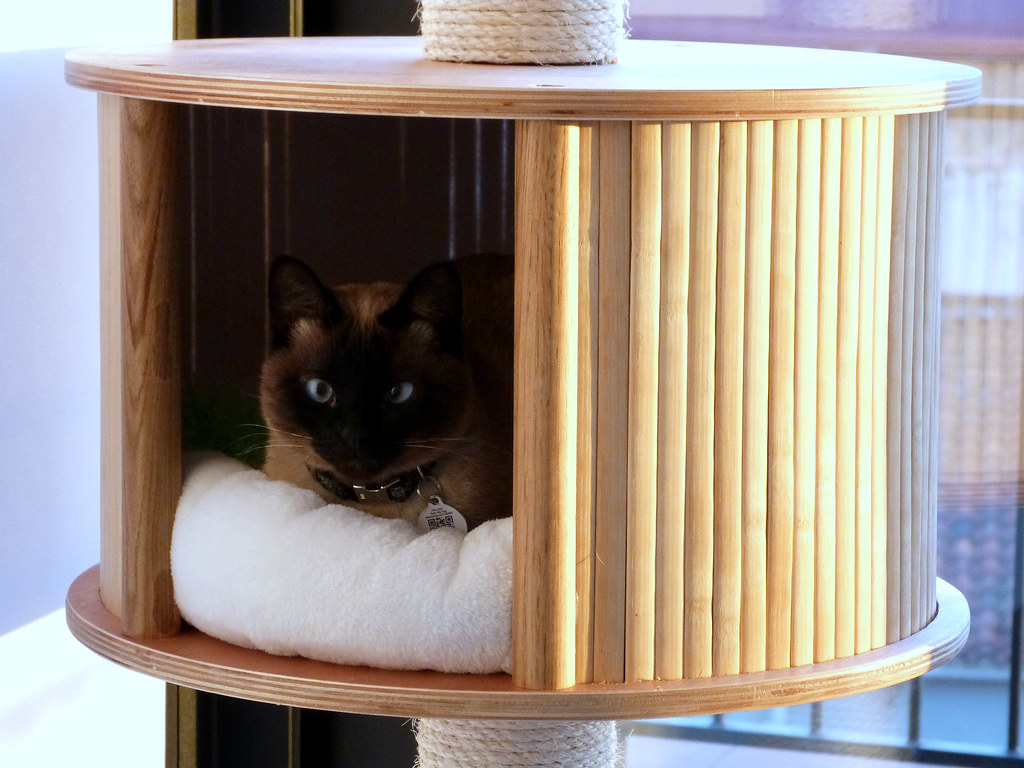
The sofa arm often wins because it is tall, steady, familiar, and right in the middle of the cat’s daily path. A new scratching surface may be ignored if it sits in a quiet corner, wobbles under pressure, or feels nothing like the texture the cat has already chosen.
Veterinary behavior guidance treats scratching as a normal cat need, not a habit to erase. The job is to make the post better than the furniture: closer, steadier, taller, and more rewarding in the exact moment the cat wants to scratch.
Learning how to help a cat use a scratching post means thinking like the cat for a moment. Scratching is not just nail care. Cats scratch to stretch, mark territory, release energy, and leave scent from their paws. A good post needs to fit those natural reasons instead of simply existing in the corner.
Put the scratching post where the cat already scratches
The biggest mistake is hiding the post where people want it, not where the cat needs it. If the cat scratches the sofa arm, bed corner, rug edge, or hallway wall, that spot already has meaning. Moving the approved scratching surface nearby makes the switch easier because the cat does not have to change both habit and location at the same time.
Place the post close to the problem area at first, even if it looks a little awkward. After the cat uses it regularly, you can move it a few inches at a time toward a better long-term spot. Moving it across the room too quickly can make the cat return to the old target.
Posts also work well near sleeping areas because cats often stretch and scratch after waking. A post near a favorite nap spot may get more use than one tucked behind furniture. Entryways, windows, and social rooms can also work because scratching is partly about leaving a visible and scented mark.
I would rather start with a post in a visually inconvenient but useful place than a perfect-looking setup the cat never touches. Once the habit is built, the room can be adjusted more gracefully.
Match the post texture to the cat’s preference
Cats have texture preferences. Some love sisal rope. Some prefer cardboard. Some like carpet, rough fabric, wood, or a flat scratching pad on the floor. If a cat ignores one post, the problem may be the material rather than the idea of scratching in an approved place.
Look at what the cat already chooses. Sofa fabric suggests a vertical fabric-like texture may be appealing. Rug scratching may mean a horizontal pad is needed. Doorframe or wood scratching may point toward a firmer surface. The current target gives clues, even when the target is something you want to protect.
Try one change at a time. If you buy several posts and move them constantly, it becomes harder to know what helped. A simple test might be one tall sisal post near the sofa and one cardboard pad near the rug. Watch which one gets paw marks, loose fibers, or repeated attention.
Texture also includes stability. A post that wobbles, slides, or tips can make a cat avoid it. Many cats want to lean their full weight into a scratch and stretch upward without the post moving under them.
Make the post tall, stable, and easy to stretch on
A short post may not satisfy an adult cat that wants a full-body stretch. When cats scratch vertically, they often extend their front legs, arch the back, and pull downward. If the post is too short, the cat may choose a sofa or doorframe simply because it allows a better stretch.
Choose a post tall enough for the cat to reach upward comfortably. The base should be wide or heavy enough that the post stays still. If the post slides on hard flooring, place it on a rug pad or choose a heavier model. A beautiful post that tips once may lose the cat’s trust.
For cats that prefer horizontal scratching, use a sturdy flat pad or angled scratcher. The same rule applies: it should not skate across the floor. A moving pad can feel like a toy to some cats, but many will abandon it for something more stable.
Good scratching options usually have these traits:
- A surface the cat can dig claws into.
- Enough height or length for a real stretch.
- A base that does not wobble or slide.
- A location near the cat’s current scratching habit.
- Room around it so the cat can stand comfortably.
Use rewards and scent without forcing the cat
Encouragement works better than grabbing the cat’s paws and dragging them down the post. Forced scratching can make the post feel unpleasant. Instead, make the post interesting and reward any natural interaction. Looking at it, sniffing it, stepping on it, rubbing against it, or scratching once can all be rewarded.
Use treats, praise, gentle play, or a favorite toy near the post. A wand toy can guide the cat to stretch upward without physically placing the paws. If the cat likes catnip or silvervine, a small amount on or near the post may help, but not every cat responds to those scents.
Keep sessions short. A few positive seconds repeated over several days are better than one long training attempt that annoys the cat. Cats learn faster when the post becomes part of normal life, not a lesson they are pressured to pass.
The goal is for the cat to discover that the post feels good and leads to pleasant attention. Once that happens, the habit becomes more self-rewarding. If the cat walks away, pause and try again later instead of turning the post into a contest.
Protect furniture while the new habit forms
While the cat learns, protect the old scratching target so it becomes less satisfying. This does not mean scaring the cat. It means changing the surface enough that the post becomes the better option. Temporary covers, washable throws, double-sided furniture-safe tape, or a physical barrier can help during the transition.
Do not remove access to the old target without offering a better option right beside it. If the sofa arm disappears behind a cover but the post is across the room, the cat may choose another piece of furniture. Put the approved scratcher close enough that the cat can make an easy swap.
Useful transition steps include:
- Cover the favorite furniture spot with a less appealing texture.
- Place the scratching post directly beside that spot.
- Reward the cat for investigating or using the post.
- Move the post gradually only after repeated use.
- Keep nails trimmed so accidental damage is reduced.
Avoid yelling, spraying water, or sudden punishment. Those reactions may stop the behavior in front of you, but they do not teach the cat where to scratch instead. They can also make the cat scratch when you are not watching.
Build a simple routine around the scratching post
A routine helps the cat notice the post at moments when scratching is already likely. Try using the post after naps, before meals, after play, and when the cat approaches the old scratching target. These are natural windows because the cat may already be stretching, excited, or marking a favorite area.
Use this simple routine for a week or two:
- Place the post beside the current scratching target.
- Play near the post for a minute without forcing contact.
- Reward any sniffing, rubbing, climbing, or scratching.
- Block or cover the old target with a safe temporary texture.
- Repeat after naps or active play sessions.
- Move the post slowly only after the cat uses it consistently.
If the cat still refuses, change one variable. Try a different texture, a taller post, a heavier base, a horizontal pad, or a better location. Changing everything at once makes the process confusing. One thoughtful change tells you more.
A scratching post succeeds when it matches the cat’s body, texture preference, and daily routine. Put it where the habit already exists, make it stable, reward curiosity, protect the old target gently, and adjust patiently. The cat is not trying to ruin the furniture; it is asking for a scratching place that makes sense.
Sources and further reading
- Cornell cat care guidance: Further reading on this topic.

Keep this guide handy
Save this article for later. Read the guide above for the details and cautions.
Save to Pinterest (opens in a new tab)