
Why Does My Cat Knead Blankets?
Published Updated

Writer and editor focusing on everyday care and life with a new dog or cat.
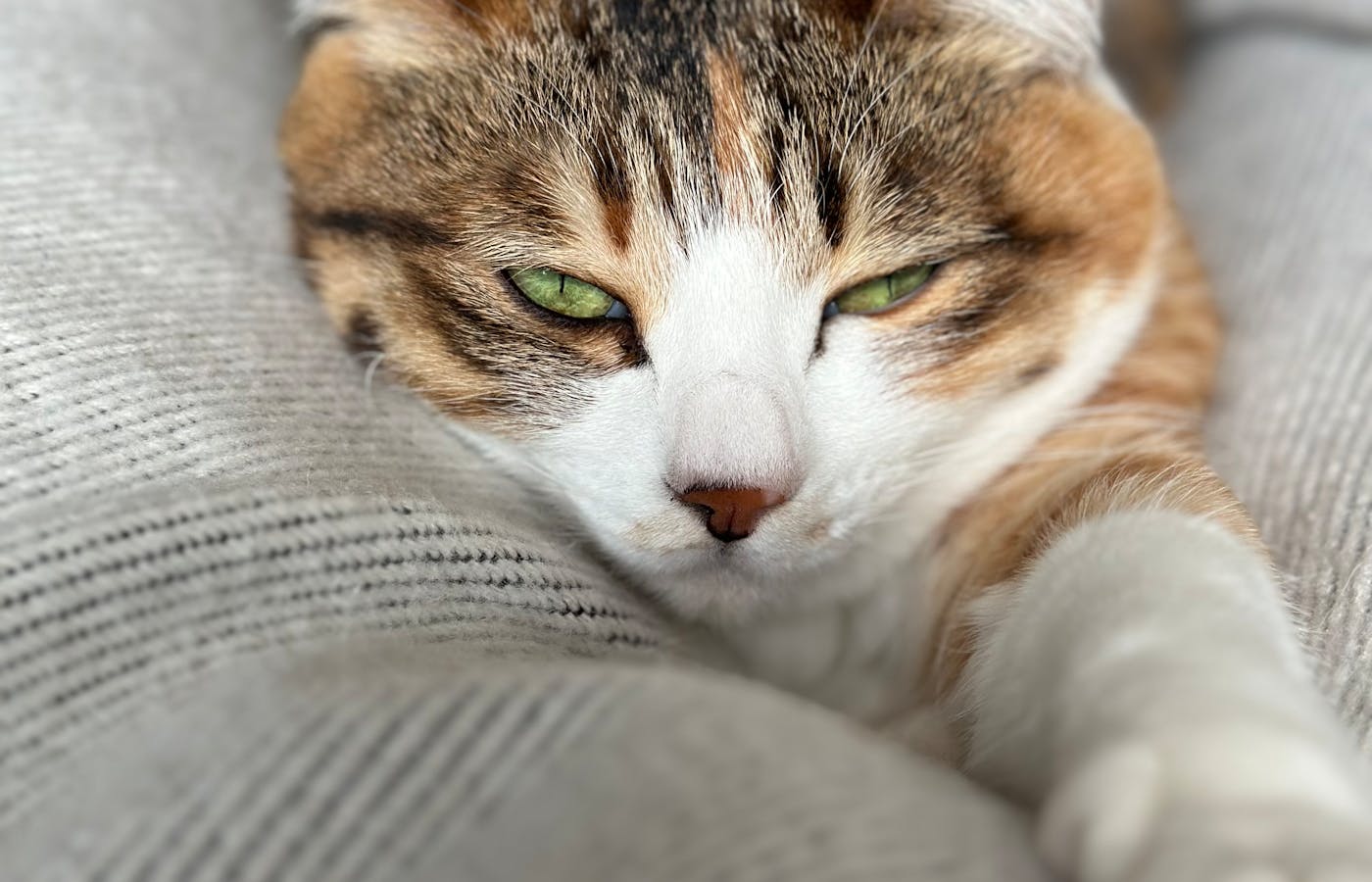
A cat kneading blankets can look sweet, funny, intense, or confusing, especially when the paws start pressing the same soft spot over and over. Some cats purr while they do it. Some drool a little. Some stretch their claws into the fabric and seem completely absorbed in the routine.
Do not punish kneading simply because claws catch a blanket. Protect the surface and give the cat a choice to move away. New pain, damaged skin, appetite loss or a marked behavior change is a reason to contact the veterinary clinic.
Kneading is the alternating paw-pressing movement cats may make on a blanket, bed or lap. Kittens use this movement while nursing. Why adult cats continue it is uncertain: comfort, scent marking and preparing a resting place are proposed explanations, rather than a way to diagnose what one cat is feeling. Watch the rest of the cat and any change from its usual behavior.
Kneading often comes from kitten behavior
Kittens press their paws against their mother while nursing, and many adult cats continue a similar movement. Some use blankets, laps or other soft surfaces. The observation links the movements across life stages; the reason an adult repeats it is still uncertain.
The link with nursing is one possible explanation for adult kneading, but it does not establish that a particular blanket triggers a remembered feeling. You can record which surfaces the cat chooses without assuming a cause.
Most blanket kneading is normal when the cat seems relaxed and chooses to do it freely. Purring, half-closed eyes, slow blinking, a loose body, and a steady rhythm usually point toward comfort rather than distress. If the cat can stop, walk away, eat, play, and sleep normally, the behavior is usually just part of their routine.
I would watch the whole cat, not only the paws. A calm face and soft posture tell a different story from tense muscles, flattened ears, or sudden agitation. The meaning sits in the body language around the kneading.
Blanket texture can invite the paw rhythm
A cat may choose one blanket and ignore another. If you notice that preference, put a washable version of the favored fabric where kneading will not damage clothes or skin. The choice is observable; the reason for it remains uncertain.
Note where the cat settles, which fabric it uses and what happens before and after kneading. Familiar location, warmth and texture are possible influences, but a household observation cannot establish which one caused the behavior.
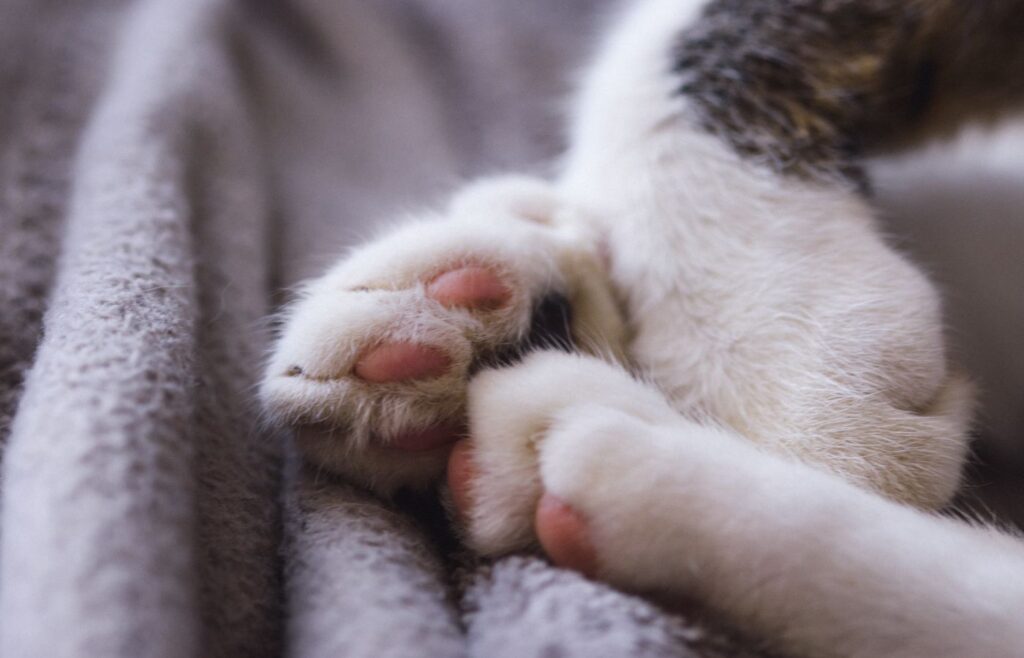
Claws can make this confusing for people. A cat may look peaceful while the blanket, sweater, or lap is getting tiny punctures. That does not mean the cat is trying to scratch in anger. The paws flex as part of the motion. Keeping nails trimmed and placing a thicker blanket between the cat and your skin can make the routine easier to enjoy.
A repeated choice of blanket is useful for managing the setup, even when you do not know why the cat prefers it.
Scent marking may be part of the message
Cats have scent glands in their paws. Scent marking is one suggested explanation for adult kneading, but it does not establish why your cat chooses one blanket or whether the behavior makes that cat feel more secure.
Scent marking is one theory about kneading. It does not prove that a cat kneads because a new pet arrived or furniture moved. Record any change alongside appetite, rest, hiding and interactions, rather than assigning a motive from the paws alone.
Kneading may appear before a cat lies down. That sequence is something you can observe; it does not establish whether the cat is marking, preparing bedding or simply repeating a familiar movement.
- Soft fabric gives the paws a satisfying surface.
- Familiar scent can make the spot feel safer.
- Warmth may encourage a longer kneading session.
- Routine helps the cat predict a calm resting place.
- Notice whether kneading changes after a household change, without assuming why.
Scent marking through kneading is usually gentle and ordinary. It only becomes worth extra attention if it arrives with stress signs, conflict between pets, sudden hiding, litter box changes, or a major shift in personality.
Excitement, affection, and stress can look similar
Kneading alone cannot reliably distinguish affection, excitement or stress. Look for a loose posture and the cat’s freedom to move away. If the cat becomes tense or agitated, stop touching it and leave an easy exit.
That is why context matters. Notice what happens before the kneading starts. Did you sit down with their favorite blanket? Did another pet enter the room? Did the cat wake from a nap? Did the household get loud? Those notes help describe the situation without claiming that one event explains the behavior.
Gentle kneading with loose body language usually needs no interruption. If claws hurt, place a folded blanket under the paws instead of pushing the cat away. If the cat becomes tense, growly, twitchy, or overstimulated, give space. Some cats enjoy closeness but still need an easy exit.
Read the whole cat and its usual behavior rather than assigning one meaning to kneading.
A change in intensity deserves attention. A cat that suddenly kneads nonstop, seems unable to settle, or pairs kneading with hiding, appetite changes, pain signs, or unusual vocalizing may need a closer look. The kneading itself may not be the issue, but the change around it can be useful information.
Protect skin and blankets without punishing the cat
If kneading hurts or damages fabric, manage the setup rather than scolding the cat. The behavior is natural, and punishment can make a relaxed cat feel confused or unsafe. A better solution is to redirect the paws to a thicker blanket, designated throw, pet bed, or lap cover.
Trim nails regularly if your cat tolerates it, or ask a groomer or veterinary team for help. Nail caps may be an option for some cats, but they need proper fit and monitoring. Avoid declawing as a simple furniture solution; it is a major procedure with welfare concerns and should not be treated as routine grooming.
Make the acceptable kneading surface easy to choose. Put a washable throw where the cat already likes to sit. If they knead your lap, keep a folded blanket nearby. If they prefer one texture, use that texture as the safe option. Cats often cooperate better when the replacement feels similar to the thing they already wanted.
Try this simple observation routine:
- Notice where and when the kneading happens most often.
- Check whether the cat looks relaxed, playful, tense, or overstimulated.
- Place a washable blanket under the paws before claws reach skin.
- Trim nails on a calm schedule instead of waiting for scratches.
- Record sudden changes in kneading, appetite, hiding, or litter habits.
- Ask a vet if the behavior changes sharply or appears with pain signs.
Know when kneading needs a closer look
Most kneading does not need fixing. A relaxed cat may knead as part of settling down, even though the reason adult cats do this is uncertain. Still, sudden changes are worth respecting. If kneading becomes frantic, appears with crying, limping, skin irritation, overgrooming, aggression, hiding, or appetite changes, look beyond the blanket and consider whether something else is going on.
Older cats may also change routines because of joint discomfort, cognitive changes, anxiety, or changes in household rhythm. A cat that used to knead gently but now seems restless may be asking for a different kind of help. The goal is not to stop every unusual behavior; it is to notice patterns early.
Also pay attention to the surface they choose. A cat that suddenly avoids a favorite blanket, reacts when paws are touched, or kneads only while seeming tense may be showing discomfort rather than simple comfort. Those small details help you describe the change clearly if you need professional advice.
For everyday blanket kneading, the kindest response is usually simple: protect your skin, protect the fabric, and let the cat have the comfort ritual. If the body language is soft and the rest of life looks normal, there is usually no need to interrupt the kneading.
Sources and further reading
- Cats Protection kneading explanation: Adult explanations are theories, alongside practical handling advice.

Keep this guide handy
Save this article for later. Read the guide above for the details and cautions.
Save to Pinterest (opens in a new tab)