Common Cat Owner Mistakes Beginners Make
Published Updated

By Silas Payao
Writer and editor focusing on clear steps for new dog and cat owners.
Cats often look low-maintenance from the outside. They nap, groom themselves, use a litter box, and seem more independent than many pets. Then a beginner brings a cat home and discovers the details: the litter box location matters, play timing matters, food changes matter, and a cat that feels unsafe may hide instead of asking for help.
The most common cat owner mistakes are usually not careless choices. They come from misunderstanding how cats use territory, scent, routine, and small signals. A cat may not complain loudly until the problem has been building for days or weeks.
I think beginner cat care works better when you treat the home from the cat’s point of view. Food, water, litter, scratching, rest, play, and quiet space all need to make sense to the animal living there, not just to the person setting things up.
Expecting a new cat to feel settled too quickly
One of the first beginner mistakes is expecting a cat to act relaxed right away. A new home is full of unfamiliar sounds, smells, rooms, people, and routines. Some cats walk out confidently on the first day, but many need time before they explore, eat normally, play, or accept touch.
A cat hiding under furniture after adoption is not automatically a failure. It can be a normal stress response. The mistake is forcing the cat out, carrying the cat from room to room, inviting too many visitors, or changing the setup every few hours because the cat seems quiet.
Give a new cat a smaller starter area with food, water, litter, a resting spot, and a place to hide. Let the cat approach at their own pace. Sit nearby, speak calmly, and keep the routine predictable. Confidence usually grows faster when the cat has choices.
Watch for basic needs rather than demanding affection. Eating, drinking, using the litter box, grooming, and exploring slowly are all signs the cat is beginning to adjust. If a cat stops eating, seems sick, or hides without using the litter box, contact a veterinarian.
Putting the litter box where it is convenient for people only
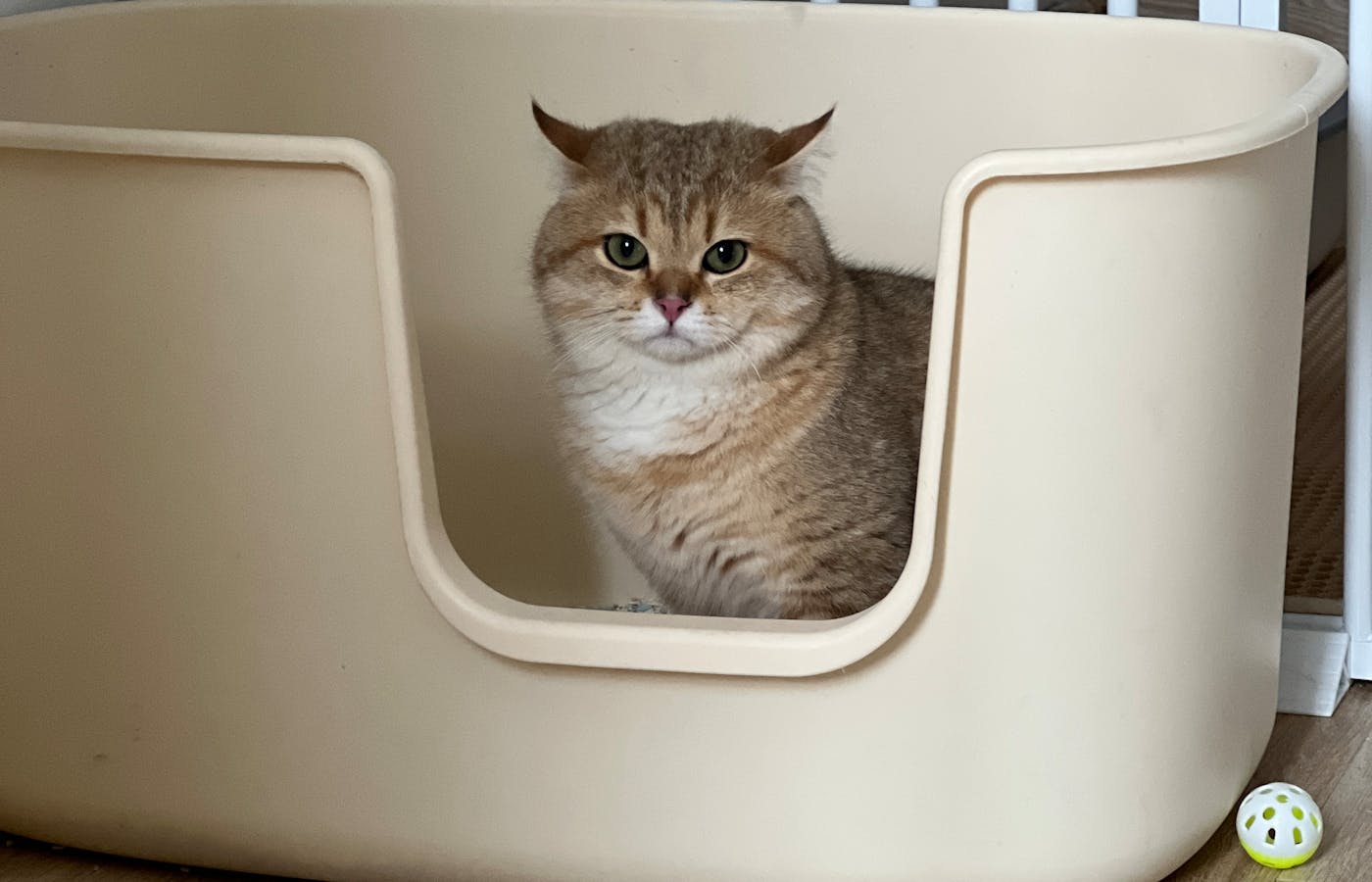
Litter box mistakes create stress for cats and frustration for owners. Beginners often place the box in a hidden, noisy, hard-to-reach, or crowded area because it looks better for the room. The cat may disagree. A laundry room with loud machines, a closet with a closed door, or a basement corner far from the cat’s usual space can make the box less reliable.
The litter box should be easy to reach, easy to enter, and easy to leave. Cats like feeling safe while using it. If another pet, child, or loud appliance can block the exit, the cat may start avoiding the area. Covered boxes can help with odor for people, but some cats dislike the trapped smell and limited escape view.

Cleanliness matters too. Scooping daily is not just about smell. It helps you notice changes in urine, stool, and frequency. Those changes can be early health clues. A dirty box may also push a cat to look for another place.
A litter box that works for the cat is better than one that simply hides well. Choose access and routine before appearance.
Changing food too quickly or guessing portions
Food changes need care. A sudden switch can upset a cat’s stomach, create refusal, or make it harder to know whether a problem is from the food, stress, or illness. Beginners may also leave food out without measuring, then wonder why weight, appetite, or mealtime behavior becomes hard to track.
If you want to change food, transition gradually unless a veterinarian gives different instructions. Mix a little new food with the current food, then increase slowly while watching stool, appetite, vomiting, itching, and energy. Cats can be cautious about texture and smell, so patience helps.
Portions matter because indoor cats may gain weight quietly. The feeding guide on a bag is a starting point, not a personal plan. Age, activity, body condition, health issues, treats, and wet food all affect the amount. If you are unsure, ask your veterinarian what a healthy weight and daily amount should look like for your cat.
Water should be part of the food routine. Some cats drink better from wide bowls, separate water stations, or fountains. Keep bowls clean and avoid placing water right beside a dirty litter area.
Using a simple mistake table before changing the whole routine
When something feels wrong, beginners sometimes change everything at once: new litter, new food, new toys, new bowls, new room access, and new rules. That makes it harder to learn what helped. A small mistake table can slow the reaction down and point toward one practical adjustment at a time.
| Beginner mistake | What the cat may show | Better first fix |
|---|---|---|
| Moving too fast after adoption | Hiding, freezing, avoiding touch | Use a quiet starter room and slow introductions |
| Box in a noisy or trapped spot | Litter box avoidance or tension | Move the box to a calm, reachable area |
| Fast food changes | Refusal, vomiting, or stool changes | Transition gradually and track appetite |
| No scratching outlet | Furniture scratching | Add stable posts near resting or high-traffic areas |
| Too little play | Night activity or rough play | Add short hunting-style play sessions |
This table does not replace veterinary advice. It simply helps you avoid overcorrecting. If the issue involves pain, appetite loss, breathing trouble, repeated vomiting, urination changes, injury, or sudden severe behavior change, get professional help instead of trying home adjustments first.
For everyday problems, change one thing and observe. Cats respond to patterns, and patterns are easier to read when the environment is not changing constantly.
Forgetting that scratching is normal cat behavior
Scratching is not a cat being spiteful. It stretches muscles, sheds claw layers, marks territory, and relieves energy. The beginner mistake is waiting until furniture gets damaged before offering a better option. A cat needs legal scratching places from the start.
Good scratching setups are stable, tall enough for a full stretch, and placed where the cat already spends time. A post hidden in a back room may go unused while the sofa arm near the window becomes the favorite target. Texture matters too. Some cats prefer sisal, cardboard, carpet, or wood.
Do not punish the cat for scratching. Redirect by placing the right surface near the problem area, rewarding use, and making the unwanted surface less appealing while the habit shifts. Keep claws trimmed if your cat tolerates it, or ask a groomer or veterinary team for help.
Useful scratching clues to check before buying more supplies include:
- Whether the cat scratches vertically, horizontally, or both.
- Whether the target is near a resting place, doorway, window, or human seating area.
- Whether the current post wobbles when the cat leans into it.
- Whether the texture feels similar to the surface the cat already chooses.
Scratching solutions are easier when you observe the cat’s pattern. Does the cat scratch after waking up, near a doorway, beside the couch, or during play? Put the outlet where the urge already happens.
Missing play, enrichment, and quiet rest needs
Indoor cats need both stimulation and rest. Beginners sometimes provide toys but no routine, or they expect a cat to entertain itself all day without interactive play. A bored cat may zoom at night, swat ankles, knock items down, overeat, or seek attention in ways that feel annoying.
Short play sessions can help. Use wand toys, small chase games, food puzzles, window watching, climbing areas, or scent-safe enrichment. The goal is not exhausting the cat for an hour. Many cats do better with several short sessions that mimic hunting: notice, chase, catch, then settle.
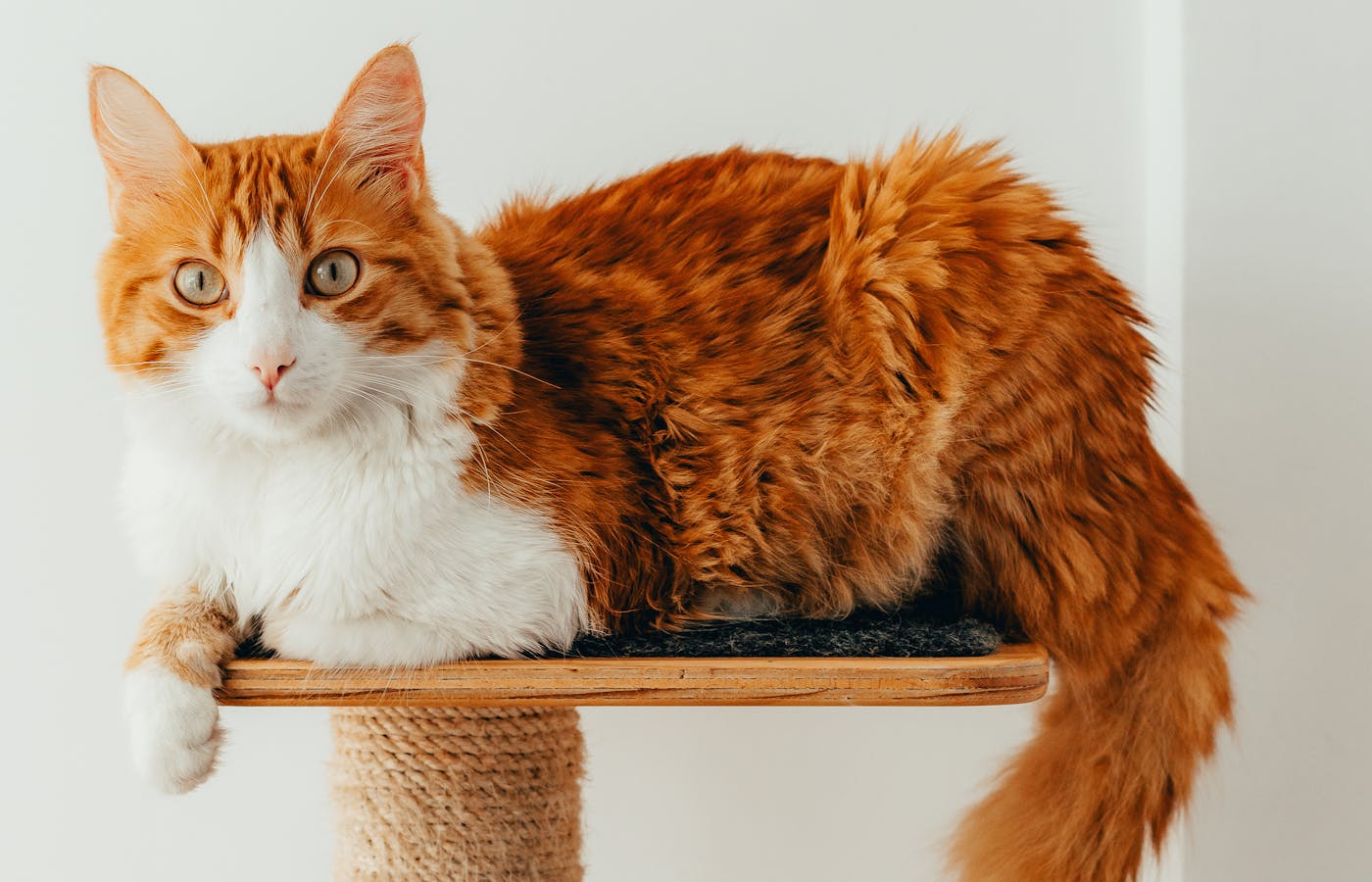
Quiet rest is just as important. Cats need places where they can sleep without being moved, grabbed, or surprised. A resting spot can be a cat tree, bed, shelf, chair, or quiet room. If children or other pets live in the home, protect at least one cat-only resting area.
Useful enrichment habits include:
- Offering short interactive play before evening rest.
- Rotating toys instead of leaving every toy out.
- Providing a scratching surface near favorite rooms.
- Giving the cat a high perch or window view when possible.
- Letting the cat retreat when they choose to rest.
A cat that has safe outlets for energy is often easier to live with and easier to understand.
Ignoring small warning signs because cats seem independent
Cats can hide discomfort well. A beginner may miss subtle changes because the cat is still walking around, still purring, or still resting quietly. Changes in appetite, water intake, litter box use, grooming, hiding, vocalizing, breathing, or movement deserve attention.
Do not assume every behavior change is attitude. A cat that suddenly avoids the litter box may have pain, stress, or a urinary issue. A cat that stops grooming may feel unwell. A cat that hides more than usual may be scared or sick. A cat that becomes unusually clingy may also be communicating a change.
Use a simple observation routine:
- Notice eating, drinking, litter box use, and energy each day.
- Write down sudden changes instead of relying on memory.
- Check whether anything changed at home, such as visitors, noise, food, or litter.
- Call a veterinarian for appetite loss, repeated vomiting, urination changes, breathing issues, injury, or severe lethargy.
- Adjust the home routine slowly when the issue is mild and the cat otherwise seems well.
The best beginner cat care habit is paying attention before a small signal becomes a larger problem. Give the cat time, set up the basics well, protect normal cat behaviors, and ask for help when a change feels bigger than a routine adjustment.
Sources and further reading
- Cornell cat care guidance: Further reading on this topic.

Keep this guide handy
Save this article for later. Read the guide above for the details and cautions.
Save to Pinterest (opens in a new tab)