How Often Should You Take a Pet to the Vet?
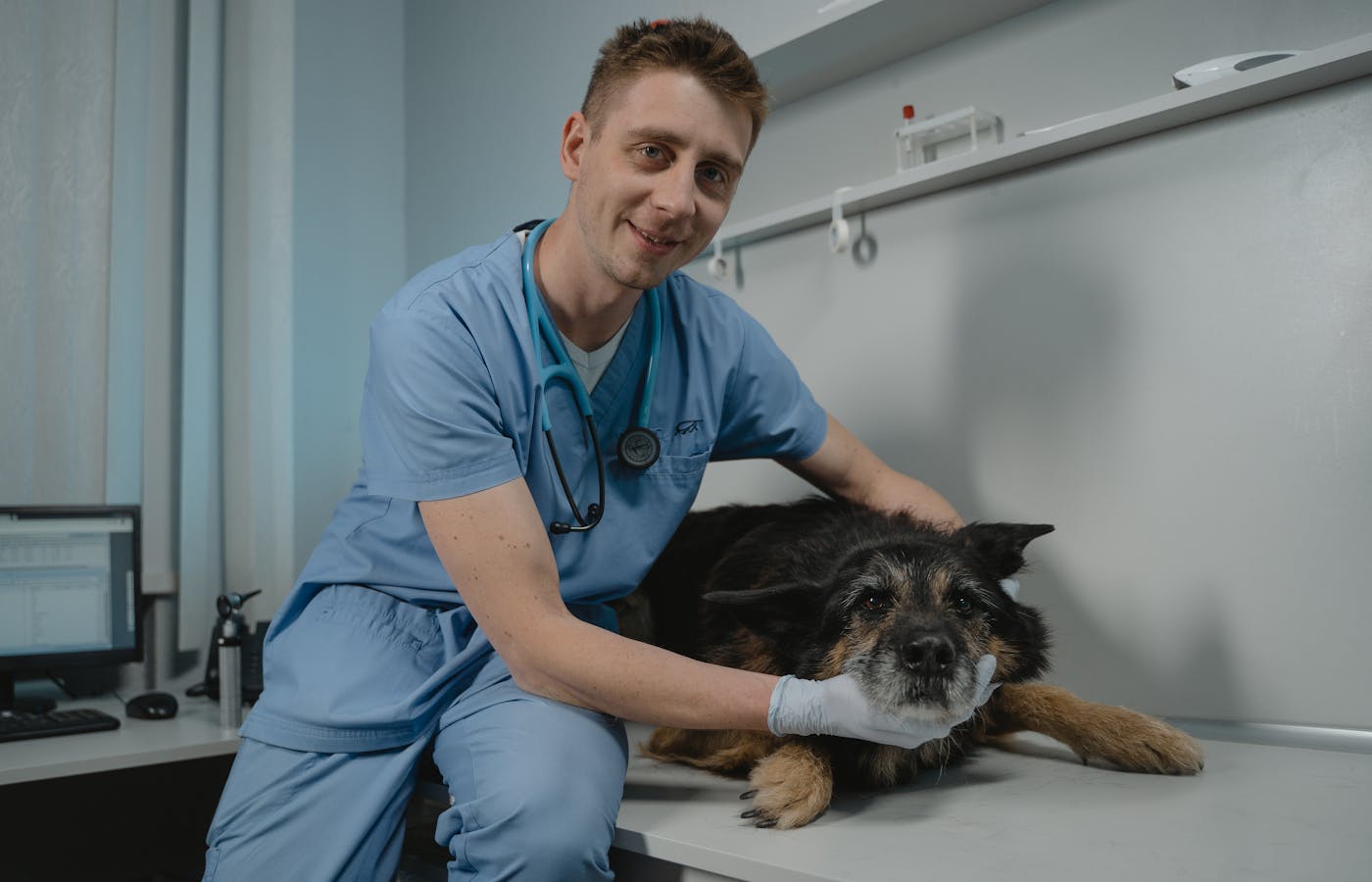
It is easy to wait for a problem before booking a vet appointment, especially when a pet seems normal at home. Dogs still wag their tails with sore teeth. Cats can hide weight loss under fluffy coats. A pet may keep eating while an ear infection, joint pain, skin irritation, or dental issue is already starting to build.
AVMA-style preventive care guidance is a useful baseline: regular wellness visits help catch weight, dental, parasite, vaccine, and behavior changes before they become obvious at home. The exact schedule should still come from the pet’s veterinarian.
So, how often should you take a pet to the vet? For many healthy adult pets, a yearly wellness visit is the baseline. Puppies, kittens, senior pets, pets with chronic conditions, and pets with new symptoms usually need a different schedule. The right answer depends on age, species, lifestyle, medical history, and what your veterinarian sees during the exam.
The point is not constant appointments. The point is catching small changes before they become harder to treat.
Start with a yearly vet visit for healthy adult pets
A once-a-year wellness exam is a practical starting point for many healthy adult dogs and cats. That visit gives the veterinarian a chance to check weight, teeth, ears, eyes, skin, heart, lungs, joints, parasite prevention, vaccine needs, nutrition, and behavior changes. It also creates a record of what is normal for that pet, which helps later if something changes.
Annual visits are especially useful because pet owners see their animals every day. Daily familiarity can make gradual changes harder to notice. A small weight gain, slower jump, bad breath, new lump, or subtle coat change may feel ordinary until someone compares it with the last exam.
The visit also gives you a place to ask plain, everyday questions before they become urgent. If your pet is scratching more, drinking differently, refusing a certain food texture, limping after play, or acting more tired after normal walks, bring it up. Small notes can help the veterinarian decide whether the change sounds normal, worth monitoring, or worth checking more closely.
I would treat the yearly appointment as maintenance, not as a sign that something is wrong. It is the pet version of checking the smoke alarm before there is smoke.
Take puppies and kittens to the vet more often
Puppies and kittens usually need several visits during their first months because they are growing quickly and building early protection. These visits may include physical exams, vaccine series planning, parasite checks, deworming, nutrition guidance, weight tracking, microchip conversations, and questions about behavior at home.
The exact timing should come from your veterinarian because it depends on age, health, previous records, local disease risks, and the pet’s start in life. A kitten from a shelter, a puppy from a breeder, and a rescued young animal with unknown records may not follow the same plan.
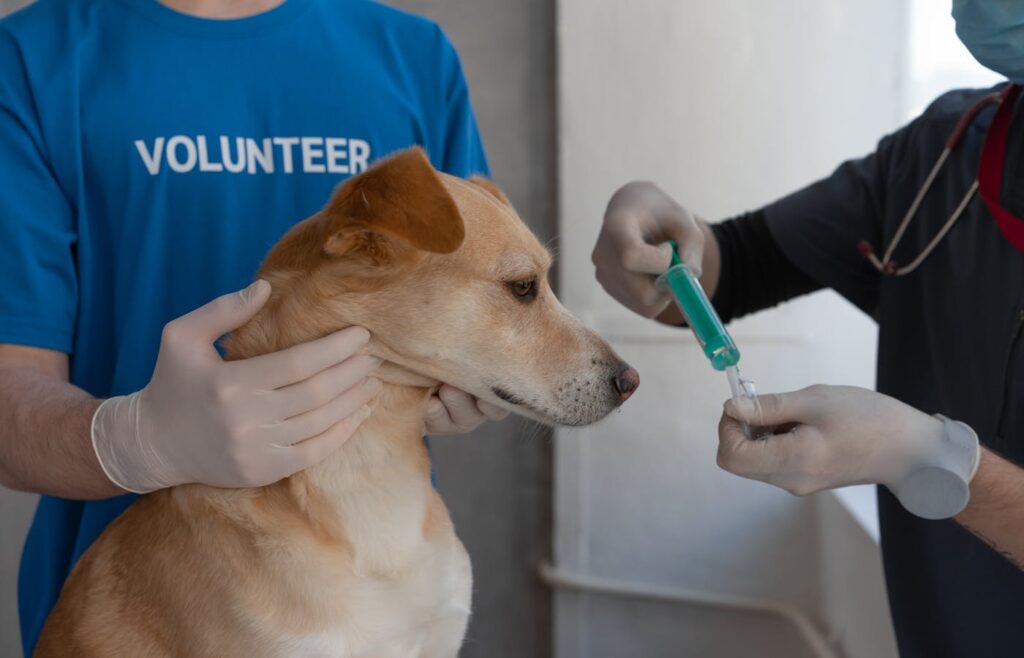
Early visits are also when small habits are easier to shape. You can ask about nail trims, carrier training, litter box setup, house training, socialization, feeding amounts, and what symptoms should prompt a call instead of waiting.
Those early appointments are useful for the owner too. A new pet can make every cough, loose stool, or missed meal feel alarming. Having a veterinarian explain what is expected, what should be watched, and what needs a same-day call makes the first months less reactive.
Increase vet visits for senior pets and medical conditions
Senior pets often benefit from seeing the veterinarian more often than once a year. Many clinics recommend visits about every six months for older pets, especially when age-related changes, dental disease, arthritis, kidney concerns, thyroid changes, heart issues, weight shifts, or mobility problems are possible. Six months is a long time in an older pet’s life.
Pets with chronic conditions may need an even more specific plan. Diabetes, kidney disease, heart disease, allergies, seizures, urinary problems, medication monitoring, and long-term pain management are not situations where a generic yearly schedule works well. The veterinarian may want rechecks, lab work, medication adjustments, or symptom updates at set intervals.
- Ask how often your pet should be seen based on age and diagnosis.
- Confirm when bloodwork, urine testing, or dental checks are recommended.
- Write down appetite, drinking, bathroom, weight, and energy changes between visits.
- Do not stop or change prescription medicine without calling the clinic first.
Take your pet to the vet sooner when symptoms change
A routine schedule is only for routine life. New symptoms can move the timeline up. Waiting for the next annual visit can be risky if the pet is clearly uncomfortable, acting differently, or showing signs that could point to pain, infection, injury, or internal illness.
Call the clinic sooner if you notice repeated vomiting, diarrhea, trouble breathing, collapse, seizures, sudden weakness, difficulty urinating, eye injury, severe limping, deep wounds, major swelling, toxin exposure, unusual bleeding, or a pet who will not eat or drink. Behavior changes matter too. Hiding, aggression, restlessness, crying, pacing, confusion, or sudden litter box changes can be health clues.
For borderline situations, a phone call is better than guessing. The clinic can tell you whether to monitor, schedule a regular appointment, seek urgent care, or go to an emergency hospital.
If you are unsure, describe what changed, when it started, how the pet is eating and drinking, whether bathroom habits changed, and whether energy level is normal. That is more useful than saying the pet is “off” and hoping the receptionist can guess the risk. Clear details help the clinic sort ordinary appointments from problems that should not wait.
Let lifestyle change the answer
Two pets of the same age may need different vet schedules because their lives are different. An indoor cat with stable weight and no medical history may not have the same risks as a dog who hikes, boards often, meets many other dogs, travels, swims, or has seasonal allergies. Outdoor access, parasite exposure, local disease patterns, diet, breeding status, and stress level can all affect preventive care.
This is why the question should not be only “How often do pets go to the vet?” A better version is “What does my pet’s life make more likely?” A dog who spends time in parks may need different parasite conversations than a mostly indoor pet. A cat who hides during storms may need a different handling plan before appointments. A pet who gains weight easily may need more frequent weigh-ins or nutrition checks.
- Tell the vet about boarding, grooming, travel, daycare, hiking, or outdoor time.
- Mention new pets, moves, diet changes, and changes in household routine.
- Ask which vaccines, parasite prevention, and screening tests fit your area.
- Share behavior changes even if they seem small or embarrassing.
Make each vet visit easier to use
A vet visit is more useful when you arrive with clear information. Bring medication names, supplement labels, food details, vaccine records if the clinic does not already have them, and notes about symptoms. Photos or short videos can help with limping, coughing, scratching, unusual breathing, or behavior that does not happen in the exam room.
Before the appointment, make a short prep pass:
- Write down the main question you want answered.
- List symptoms with dates instead of relying on memory.
- Bring food, medication, and supplement names when they matter.
- Save photos or videos that show the concern clearly.
- Ask what should trigger a follow-up call after the visit.
For cats and nervous dogs, plan the practical side too. Leave the carrier out before the appointment, bring a familiar towel, avoid a rushed exit, and ask the clinic about low-stress options if visits are difficult. A calmer pet is easier to examine, and a calmer owner remembers more of the advice.
How often you should take a pet to the vet starts with a yearly visit for many healthy adults, then changes with age, symptoms, medical history, and lifestyle. Puppies, kittens, seniors, and pets with health concerns need closer planning. When in doubt, ask your veterinarian for a schedule tied to the actual pet in front of you, not a rule that ignores the animal’s life.