
How to Read Cat Body Language as a Beginner
Published Updated

By Silas Payao
Writer and editor focusing on clear steps for new dog and cat owners.
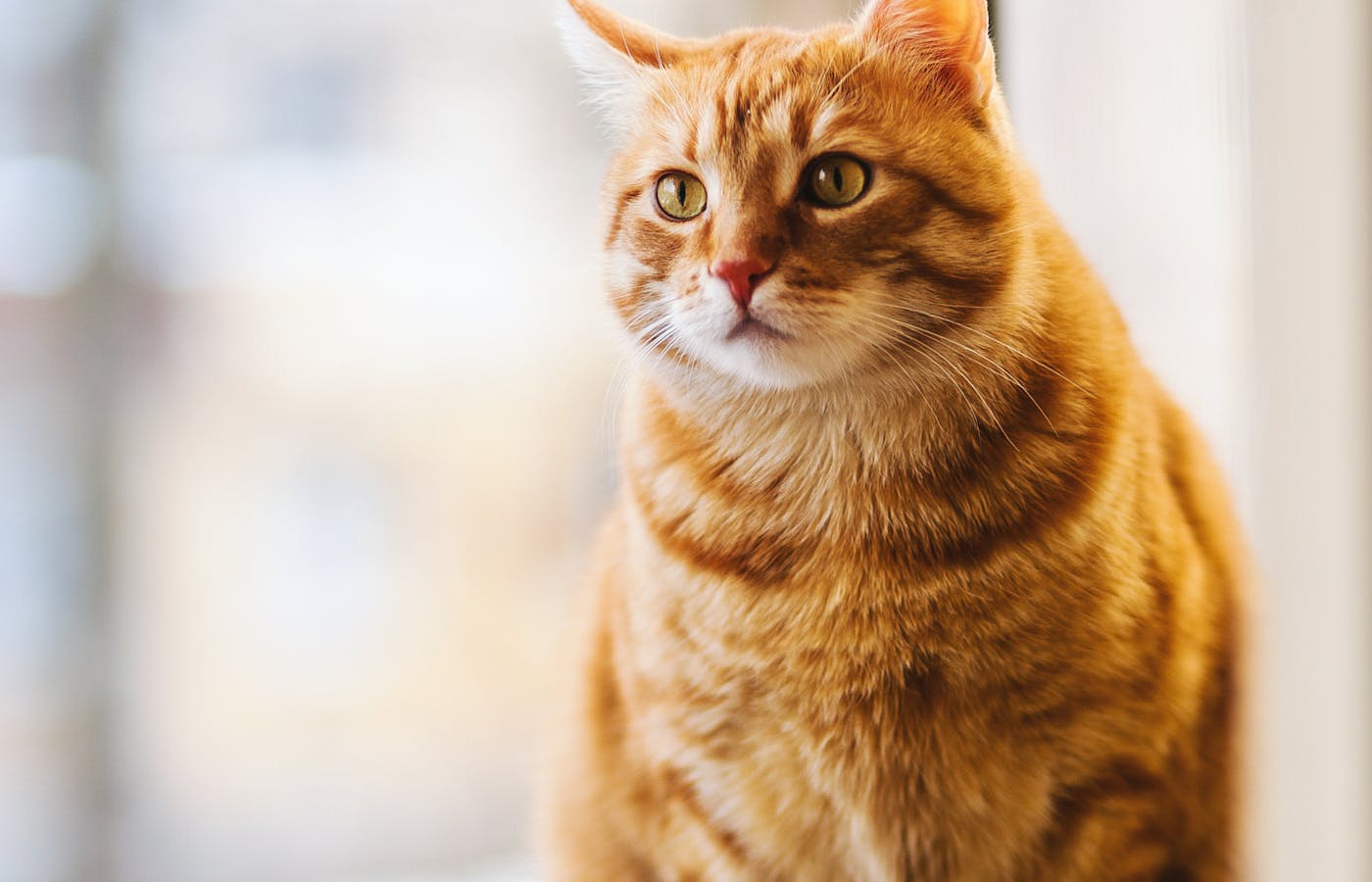
Cats communicate constantly, but much of it is quiet. A beginner may notice meowing first, yet the more useful clues often come from the tail, ears, eyes, whiskers, posture, and how quickly the cat recovers after a stressful moment.
The most useful habit is to slow down before naming the mood. A cat sitting still is not always relaxed, and a cat moving quickly is not always playful. Read the room, the recent trigger, and the cat’s whole body before reaching, picking the cat up, or asking children to move closer.
Reading cat body language is not about memorizing one symbol. The same tail position can mean different things depending on the rest of the body and the situation. Look at the whole cat before deciding what to do.
Ears show attention and tension
Forward ears often mean the cat is interested in what is happening. Ears that swivel can mean the cat is tracking sounds. Flattened or sideways ears are more concerning because they can show fear, irritation, or a wish for more distance.
Do not judge ears alone. A playful cat may move its ears while stalking a toy, while a stressed cat may combine flat ears with a low body, tight mouth, or tail tucked close. The combination tells the better story.
Cat tail movement gives important body language context
A relaxed tail may curve gently or move slowly. A high tail can be a friendly greeting when the body is loose. Fast thrashing, stiff movement, or a tail tucked close to the body usually asks for caution.
Posture tells you whether to move closer
A comfortable cat often rests with loose muscles, slow blinking, and weight distributed naturally. A worried cat may crouch, freeze, hide, or make the body smaller. A defensive cat may arch, puff up, or shift weight backward.
Your response should match the posture. If the cat is loose, you can stay calm and let interaction continue. If the cat is tight or low, give the cat a way out instead of reaching in.
Beginners often make the mistake of trying to “finish” the interaction after the cat has already given a soft no. If the cat turns its head, shifts weight away, or stops leaning into your hand, pause before the signal becomes stronger. That small pause teaches the cat that communication works.
- Loose body means interaction may continue.
- Crouching asks for more space.
- Freezing means stop and reassess.
- Puffed fur signals high stress or alarm.
Cat eyes and blinking can soften the interaction
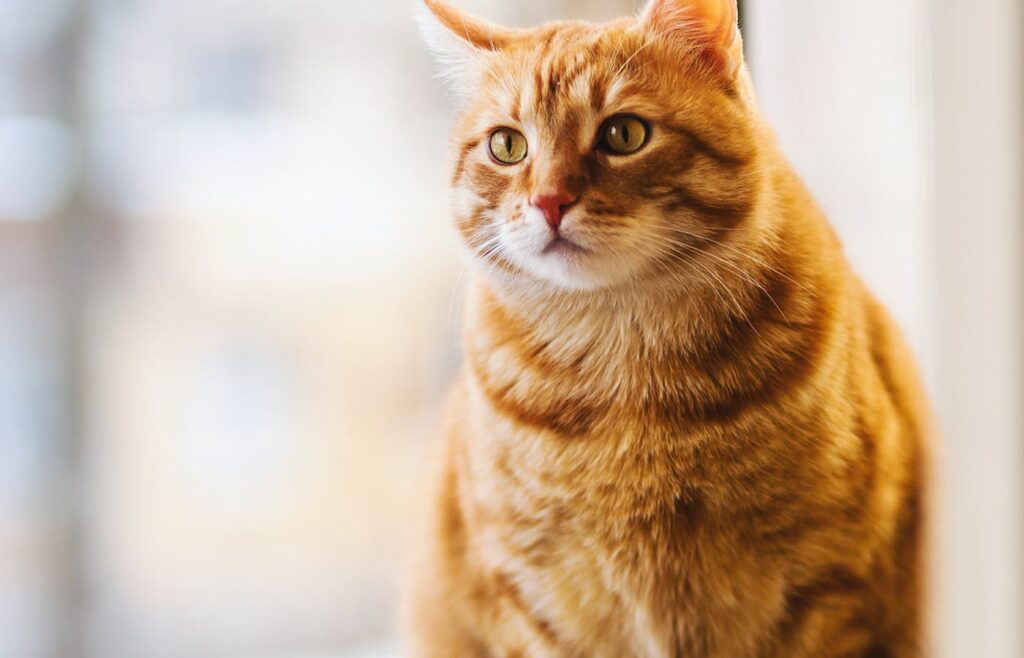
Slow blinking is often a friendly signal when the rest of the cat is relaxed. Wide pupils can appear during play, fear, low light, or excitement, so they need context. Staring directly can feel intense to some cats.
A beginner can practice looking softly and blinking slowly instead of leaning in. If the cat looks away, leaves, or lowers the body, respect that choice. Trust grows when the cat can end the interaction.
Whiskers and mouth add smaller clues
Whiskers that sit naturally to the side can be neutral. Whiskers pushed forward may show curiosity or hunting focus. Whiskers pulled back can appear when a cat feels worried or defensive.
Mouth tension also matters. Repeated lip licking or a tight face during handling can be stress signals. Stop handling and seek emergency veterinary care immediately for breathing with effort or persistent open-mouth breathing or panting, especially at rest. These details are easy to miss, but they help explain why a cat suddenly stops enjoying contact.
- Look at ears and tail first.
- Check whether the body is loose or tight.
- Notice eyes, whiskers, and mouth tension.
- Give space before the cat escalates.
- Watch how quickly the cat relaxes afterward.
Cat play signals can look intense
Play may include crouching, dilated pupils, quick pounces, sideways hops, and sudden running. The difference is recovery. A playful cat returns to normal quickly and chooses to reengage without looking trapped.
Respect the recovery signal
The most useful beginner skill is noticing when the cat relaxes again. A cat that leaves, grooms briefly, returns to a normal posture, or settles at a distance is processing the moment.
When to adjust the plan instead of pushing harder
One useful way to read body language is to compare several signals instead of trusting one gesture alone. A tail flick, flattened ears, tense shoulders, and a frozen stare together say more than any single movement. That is especially important for children or guests, because they may notice a cute pose before they notice that the cat is asking for distance.
If the cat relaxes after you pause or step back, keep that extra distance and let the cat choose whether to approach. Do not use a tense response as a reason to force more handling.
Cat body language becomes clearer when you stop looking for one magic sign. Read the whole body, respond early, and let the cat choose distance when it needs it.
Over time, write down what your own cat does before play, hiding, affection, and irritation. Personal patterns matter because some cats are naturally more vocal, some carry their tails higher, and some need more recovery time after noise or visitors. The goal is not to label every movement perfectly; it is to respond calmly before stress builds.
Sources and further reading
- AAFP and ISFM interaction guidelines: Cat handling, posture and opportunities to avoid contact.
- RECOVER pet first aid guidelines: Urgent veterinary assessment and first aid boundaries.

Keep this guide handy
Save this article for later. Read the guide above for the details and cautions.
Save to Pinterest (opens in a new tab)