
Common Household Items That Are Dangerous for Pets
Published Updated

Writer and editor focusing on everyday care and life with a new dog or cat.
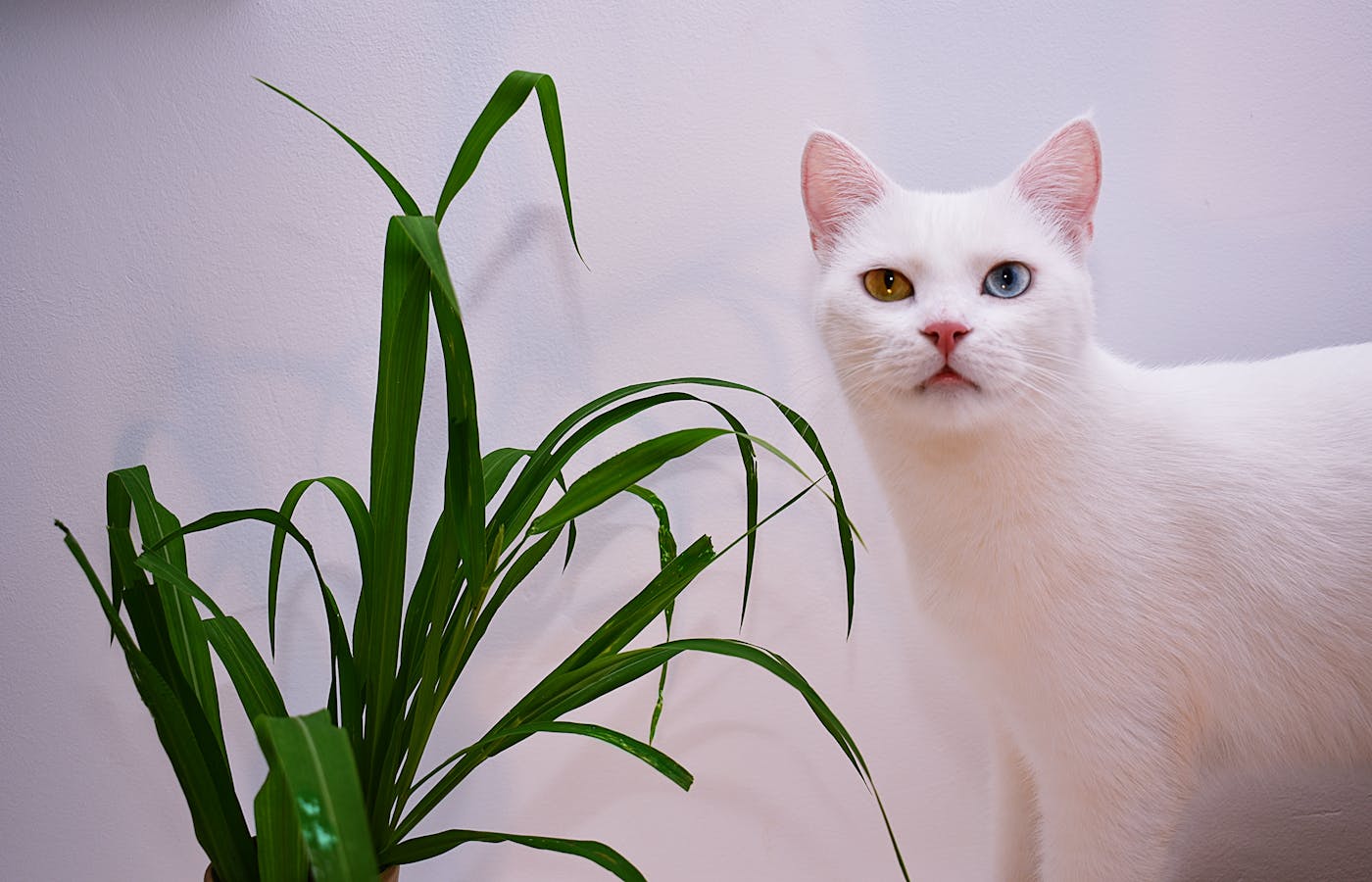
Pet safety problems often come from ordinary household items, not dramatic accidents. A pill on the floor, an open trash can, a toxic plant, a dangling cord, or a cleaner left under the sink can become risky before anyone notices. When the topic involves household risk, ASPCA poison-control guidance is a useful outside check before assuming an item is harmless.
The safest home is built around prevention. You do not need to fear every object, but you do need to know which items deserve closed storage, supervision, or removal from areas where pets roam.
A good safety check also changes by pet. A curious kitten may climb toward plants and cords, while a dog may focus on trash, food, shoes, or dropped medication. The safest setup is the one that matches the animal’s actual habits, not a generic list taped to the fridge.
Pet-dangerous human foods can become emergencies quickly
Some foods that are normal for people can be dangerous for pets. Chocolate, grapes, raisins, onions, garlic, alcohol, xylitol, and certain high-fat foods can create serious problems depending on the animal and amount.
Do not rely on a pet refusing something unsafe. Many dogs and some cats will investigate food that smells interesting. Keep counters clear, close pantry doors, and treat trash as a food source that needs a lid.
Pet medicines and human medicines need closed storage
Human medication is one of the most important household hazards to control. Pills can roll under furniture, sit in bags, or fall from nightstands. A curious pet may swallow them before the owner realizes anything dropped.
Pet-safe plants should be checked before they come home
Houseplants can be beautiful and still unsafe for pets. Lilies, sago palm, pothos, philodendron, and many other plants can cause problems if chewed. Cats may nibble leaves, while dogs may dig in soil or carry stems.
Check plant safety before buying, gifting, or moving a plant into a room pets use. If you cannot confirm safety, place the plant where the pet cannot reach it or choose a different plant.
- Identify every plant by name.
- Move unknown plants out of pet areas.
- Watch for chewing, digging, or dropped leaves.
- Use closed rooms for plants that need separation.
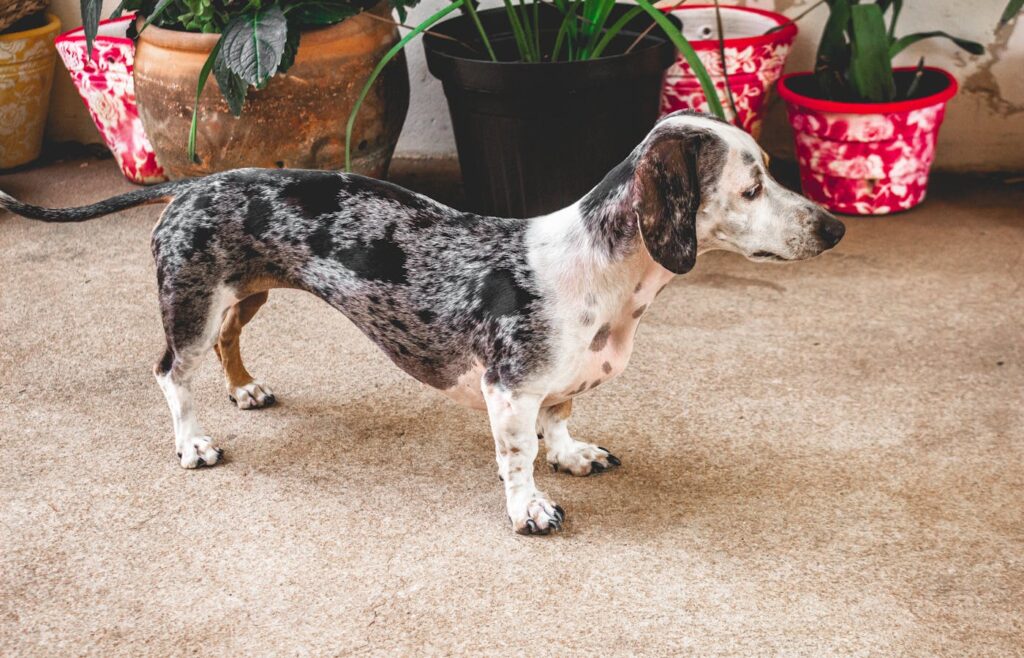
Cleaners and chemicals need barriers
Cleaning products can irritate paws, mouths, skin, and lungs. The risk is higher when bottles are open, floors are wet, or a pet walks through residue and then licks its paws.
Store cleaners behind closed doors and let surfaces dry before pets return. Avoid mixing products, and follow label directions. If a pet has breathing issues, strong scents and sprays deserve extra caution.
Timing matters too. A freshly cleaned floor, a bathroom with chemical odor, or a treated balcony can attract a pet before the surface is dry. Block access until the area is safe again, and store the bottle immediately instead of leaving it out for a second pass.
Small objects can be swallowed or chewed
Hair ties, rubber bands, toy pieces, coins, batteries, sewing supplies, and children’s small toys can all become hazards. Some objects are choking risks, while others can damage the digestive tract or leak chemicals.
A floor-level scan helps. Get down to the pet’s height and look under furniture, near charging stations, and around play areas. Many hazards are invisible from an adult standing position.
- Close trash and pantry access.
- Store medication behind a door.
- Check plant names before keeping them.
- Move cords and small objects off the floor.
- Review the home again after guests or deliveries.
Cords and chargers invite chewing
Electrical cords can attract puppies, kittens, rabbits, and bored pets. Chewing can cause burns, shocks, or damaged equipment. Even a pet that usually ignores cords may investigate a new charger or moving cable.
Safe storage should become a habit
Pet-proofing usually performs better when it becomes automatic. Close bathroom doors, latch cabinets, move bags off the floor, and clear food quickly after meals. Most prevention comes from small repeated habits.
When to adjust the plan instead of pushing harder
A practical safety pass works best from the pet’s height. Look under sofas, behind doors, beside trash cans, near charging stations, and around plant stands. Items that look harmless from above may be easy to chew, lick, knock over, or swallow when a curious animal is exploring the room.
It also helps to fold hazard checks into a regular pet care checklist. Food storage, plant placement, medicine storage, trash lids, and cord management are easier to remember when they become part of one repeated home check instead of separate tasks that only happen after a scare.
Repeat the check after grocery trips, holidays, cleaning days, and visits from guests. These are the moments when new bags, decorations, medicines, candles, and unfamiliar foods enter the home. A room that was safe on Monday can become risky by Friday if new items are left within reach.
Household hazards are easier to prevent than to handle during an emergency. Store risky items well, check plants and foods, and look at the home from your pet’s level.
During a prevention check, secure an untouched item before researching whether it belongs around the pet. If exposure may already have occurred, act immediately instead. Prevention does not need to be dramatic; it can be as simple as closing a door, lifting a bag onto a shelf, or keeping one pet-free room available while you sort out a new item.
If exposure may have happened
If a pet may have swallowed a toxic substance, battery or dangerous object, call a veterinarian, emergency clinic or animal poison service immediately. Keep the packaging, ingredient list or plant details available. Do not wait for symptoms, induce vomiting or give home remedies unless a veterinary professional instructs you.
Sources and further reading
- ASPCA household product guidance: Further reading on this topic.

Keep this guide handy
Save this article for later. Read the guide above for the details and cautions.
Save to Pinterest (opens in a new tab)