
How to Store Pet Food Safely at Home
Published Updated

Writer and editor focusing on everyday care and life with a new dog or cat.
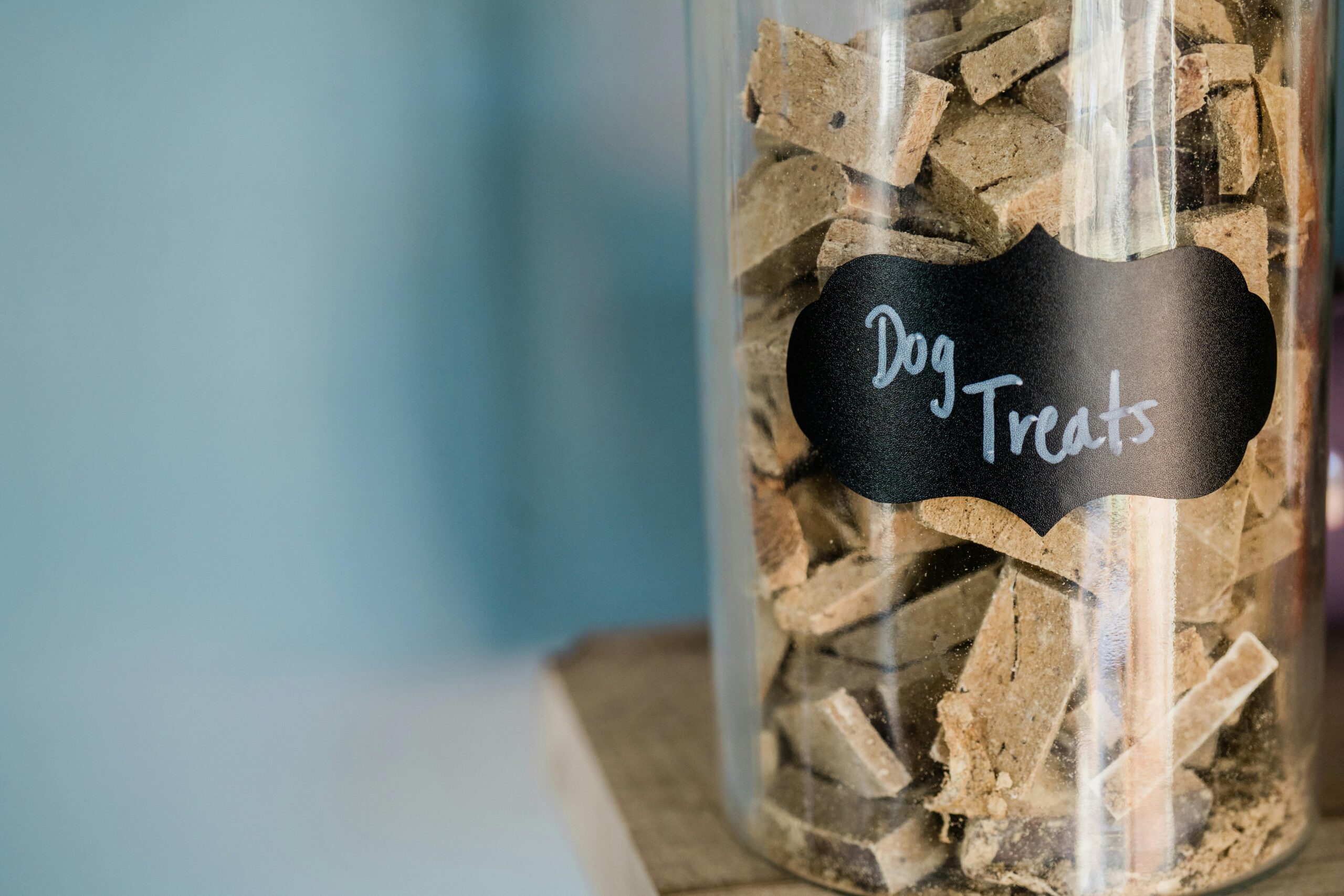
Pet food seems simple until a bag is left open, wet food sits out too long, treats lose their label, or a scoop falls on the floor and goes back into the container. Storage affects freshness, pests, portion control, and the chance that a pet eats something stale or unsafe.
How to store pet food safely at home starts with keeping food dry, sealed, clean, labeled, and easy to check. The goal is not a perfect pantry photo. The goal is a feeding setup where food stays fresh, pests stay out, and everyone in the home knows what is safe to serve.
Store dry pet food in its original bag when possible
Dry pet food bags are designed to protect the food before and after opening. Many bags include a food-safe inner liner and important information such as the brand, formula, lot number, expiration date, feeding guide, and ingredient details. If you pour food into another container and throw the bag away, you may lose information that matters during a recall or vet conversation.
A safer option is to place the opened bag inside a clean, airtight container. Roll or clip the top of the bag, then close the container lid. This gives you the benefit of a sealed storage bin while keeping the original label and date information. It also reduces direct contact between food and a container that may not have been washed recently.
If the bag is too large, cut out and save the label, lot code, and expiration date before transferring food. Tape the information to the container or place it in a small sleeve nearby. This is especially helpful if more than one pet eats different food, or if a pet has allergies, prescription food, or a sensitive stomach.
The original bag is part of the storage system, not just packaging.
Use airtight containers that are clean and dry
Airtight containers help protect dry food from air, moisture, insects, and curious pets. Choose a container with a lid that closes firmly and a shape that is easy to wash. The container should be large enough to hold the food without crushing the bag, but not so large that old food hides under new food for weeks.
Wash and dry the container before refilling it. Oils and crumbs from old kibble or treats can build up and make fresh food smell stale faster. If moisture remains inside the container, dry food can clump or spoil. Let the container air dry fully before putting food back inside.
The storage location matters too. Keep dry food away from heat, sunlight, damp floors, cleaning products, and open trash areas. A cool, dry cabinet, pantry shelf, or utility area is usually better than a garage that gets hot, a laundry room with high humidity, or a spot where pets can chew the lid.
| Storage choice | Good use | Watch for |
|---|---|---|
| Original bag in sealed bin | Daily dry food | Bag folded and clipped well |
| Small labeled jar | Treats used often | Confusing treats with meals |
| Refrigerated covered can | Opened wet food | Serving after too long |
| Separate scoop | Portion control | Scoop touching floors or counters |
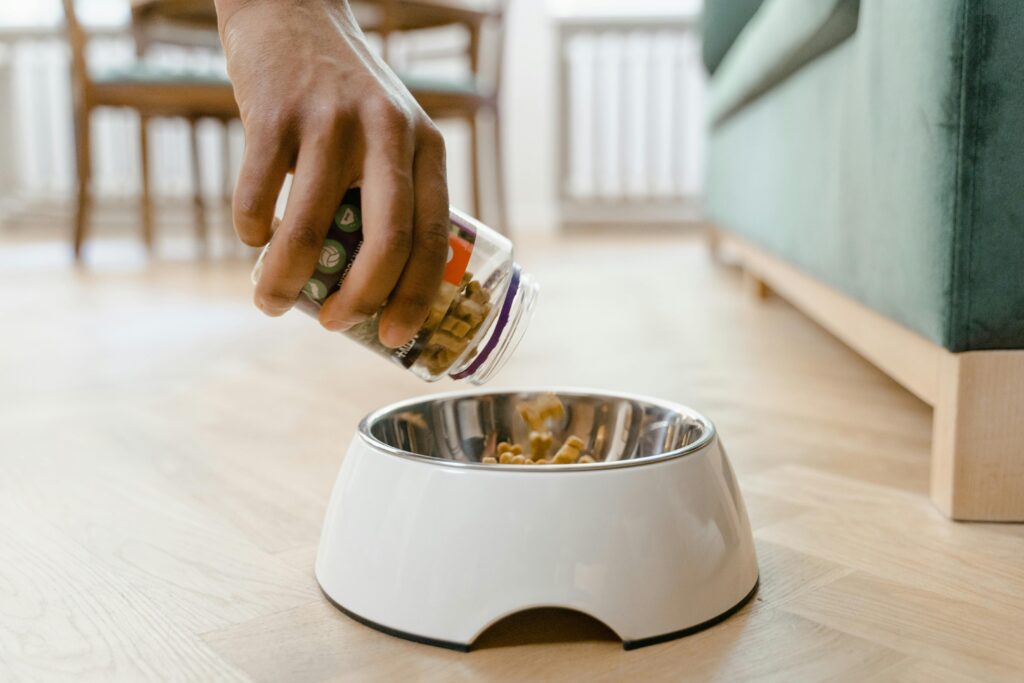
Store wet pet food with stricter timing
Wet food needs more careful timing than dry food because moisture makes it easier for bacteria and spoilage to become a problem. Unopened cans, trays, or pouches can usually stay in a cool, dry place until the date on the package. Once opened, the food should be covered, refrigerated, and used within the product’s recommended time window.
Do not leave wet food sitting in a bowl for long periods. Warm rooms, sunny spots, and slow eaters can make the food less safe and less appealing. If a pet does not finish a serving, remove the leftovers instead of letting the bowl sit all day. Wash the bowl before the next feeding.
Use a clean spoon or scoop for wet food rather than dipping a dirty utensil back into the container. If the food smells unusual, looks dry around the edges, changes color, grows mold, or has been stored without a cover, discard it. Saving a small amount of questionable food is not worth the risk.
Wet pet food should be treated like opened human food: covered, chilled, dated, and served with clean tools.
Clean scoops, bowls, and feeding areas regularly
Food storage safety also depends on the tools around the food. A scoop that sits inside the container may be convenient, but it should be clean and dry. A scoop that lands on the floor, touches raw food, or sits on a dirty counter should be washed before it goes back into the food bin.
Wash and dry food bowls and utensils after each use, and wash water bowls daily. Follow the manufacturer’s material-care instructions. Dried food residue can collect around the edges, and water bowls can develop slippery buildup. A clean bowl helps reduce smell, pests, and stomach upset from old residue. If a bowl is cracked, deeply scratched, or hard to clean, replace it.
Helpful cleaning habits include:
- Use one scoop for each pet food type when possible.
- Wash scoops that touch floors, counters, or old food residue.
- Clean wet food bowls after each serving.
- Wash water bowls daily or whenever they feel slippery.
- Wipe the feeding area when crumbs, spills, or splashes appear.
Keep feeding supplies away from cleaning chemicals, laundry products, and trash. Pets may lick spills or chew packaging, so the feeding area should not double as a chemical storage corner.
Label food clearly when pets eat different diets
Homes with more than one pet need extra clarity. A dog and cat may have different foods. A senior pet may eat a special formula. One pet may need prescription food, allergy-safe treats, measured portions, or a restricted diet. If containers are unlabeled, it becomes easy for someone to scoop from the wrong bin.
Labels should include the pet’s name, food type, and any important restriction. For example, “Milo dry food, morning and evening,” or “Luna prescription food only.” If treats look similar, label those too. A small label can prevent accidental sharing, overfeeding, or giving a pet something the vet asked you to avoid.
Clear labels are especially useful when guests, pet sitters, relatives, or children help with feeding. Do not rely on memory when the foods look alike. Keep instructions near the food, not in a separate drawer. The safest system is the one another person can follow without guessing.
Useful label details include:
- Pet name and food name.
- Amount per meal if portions are measured.
- Expiration date or opened date.
- Allergy or prescription warning.
- Whether the food is for meals, training treats, or occasional treats.
Follow a simple pet food storage routine
A routine keeps pet food storage from becoming messy or unsafe over time. It also helps catch problems early, such as stale food, pests, missing labels, dirty bowls, or nearly empty supplies. You do not need a complicated system; you need a few steps that happen every time food is opened, served, or restocked.
Use this routine:
- Check the package date before opening new food.
- Keep the original dry food bag inside a sealed container when possible.
- Clip or roll the bag closed after each use.
- Wash and dry the container before adding a new bag.
- Cover and refrigerate opened wet food right away.
- Wash bowls, scoops, and feeding mats on a regular schedule.
- Discard food that smells unusual, looks spoiled, or has lost its label.
Also rotate food before buying more. Use older food first and avoid mixing a large amount of old food under a new bag. If you change formulas, keep the old and new foods clearly separate during the transition so portions do not get confused.
Safe pet food storage is a daily habit, not a one-time container purchase. Keep dry food sealed and labeled, treat wet food carefully, clean feeding tools, separate diets clearly, and check dates before restocking. That gives pets a safer meal routine and makes feeding easier for everyone in the home.
Sources and further reading
- FDA pet food hygiene: Food bowls after each use and water bowls daily.

Keep this guide handy
Save this article for later. Read the guide above for the details and cautions.
Save to Pinterest (opens in a new tab)