
How to Keep Pets Safe in the Car
Published Updated

By Silas Payao
Writer and editor focusing on clear steps for new dog and cat owners.
A car ride can feel simple because pets are close, the route is familiar, and everyone expects the trip to be quick. That is exactly why safety steps are easy to skip. A dog may ride loose for a short errand, a cat carrier may sit unsecured on a seat, or someone may leave the air conditioning decision until the car is already warm.
Learning how to keep pets safe in the car means treating even ordinary rides as real travel. The safest setup gives the pet a secure place, keeps the driver focused, protects against heat and sudden stops, and makes exits controlled. You do not need a complicated system, but you do need one that works before the car starts moving.
Choose a restraint before the ride begins
The safest car routine starts before the pet reaches the driveway. A loose pet can move under pedals, climb into the driver’s lap, jump between seats, block mirrors, or get thrown forward during a hard stop. Even a calm pet can panic if another dog barks outside, a horn sounds, or the car turns suddenly. Restraint is not only about behavior; it is about physics.
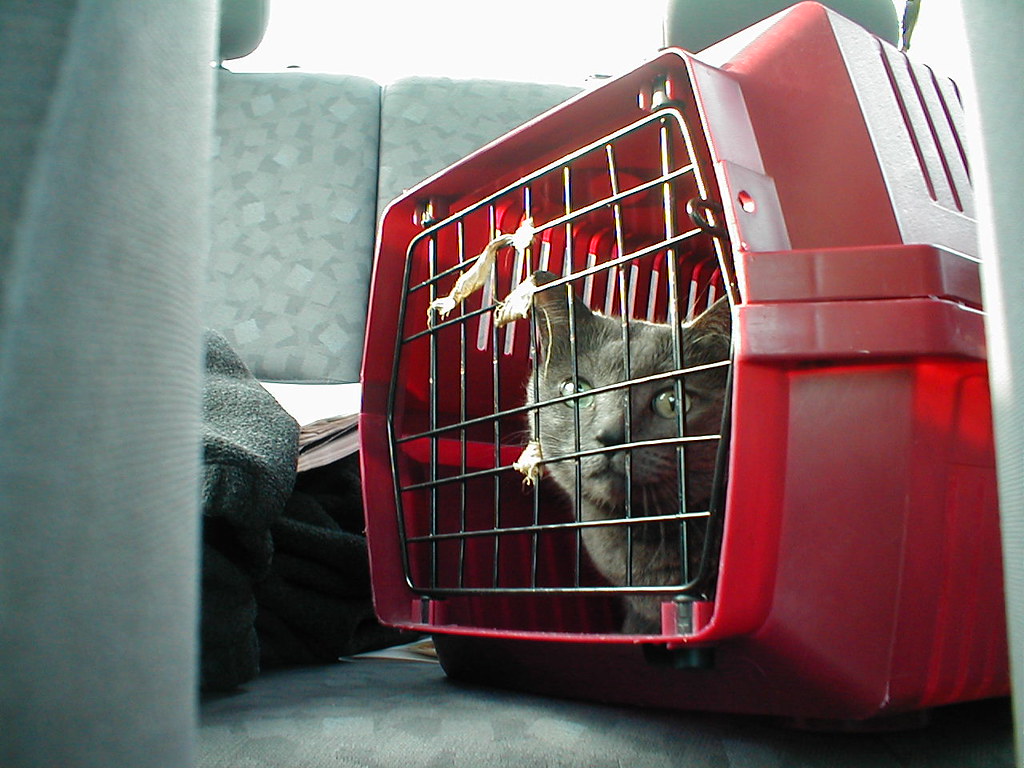
Choose a carrier, crate or travel harness with independent crash-performance evidence appropriate to your pet and vehicle. A vehicle barrier may reduce distraction but does not itself restrain an animal in a crash. Cats should travel inside a closed carrier; the carrier still needs installation according to its own tested instructions.
Check the product’s size limits, fit and installation instructions before travel. The pet needs room to stand, turn and lie comfortably in a carrier, while the selected product and its securing system must suit the vehicle. Do not improvise a collar tether or assume a walking harness provides crash protection.
I would also practice outside of stressful trips. Let the pet investigate the carrier, sit in the parked car, or wear the harness for a few minutes at home. Familiar equipment is easier to trust when the real ride begins.
Secure carriers and crates so they do not become moving objects
An unsecured carrier can slide, tip or fall during braking. Follow the carrier manufacturer’s exact placement and fastening instructions for the vehicle. Some products use specific belt paths or strength-rated straps; others have different requirements. Do not substitute generic wedging, a convenient luggage hook or an unapproved seat-belt arrangement.
For a cargo-area crate, confirm the vehicle anchor ratings and the crate-and-strap manufacturer’s requirements. A cargo tie-down is not automatically rated to restrain a crate in a crash. Ask the manufacturer if the vehicle manual does not give the needed information, and use a different documented setup if compatibility cannot be established. Pets should never ride in an open truck bed.
A parked-car movement check can reveal a loose installation; it cannot prove crash protection.
Think about door openings too. A carrier should be positioned so you can open the car door without giving the pet an escape path. If a nervous cat can push through a loose carrier latch while you reach for a bag, the trip can become dangerous at the destination instead of on the road.
A safe car setup keeps the pet contained, the driver undistracted, and the exit controlled.
Before leaving, check the documented belt path or straps, closures, fit and installation. Correct any looseness according to the instructions. A hand tug alone is not a crash test or proof that the anchor is suitable.
Keep pets out of the front seat and driver area
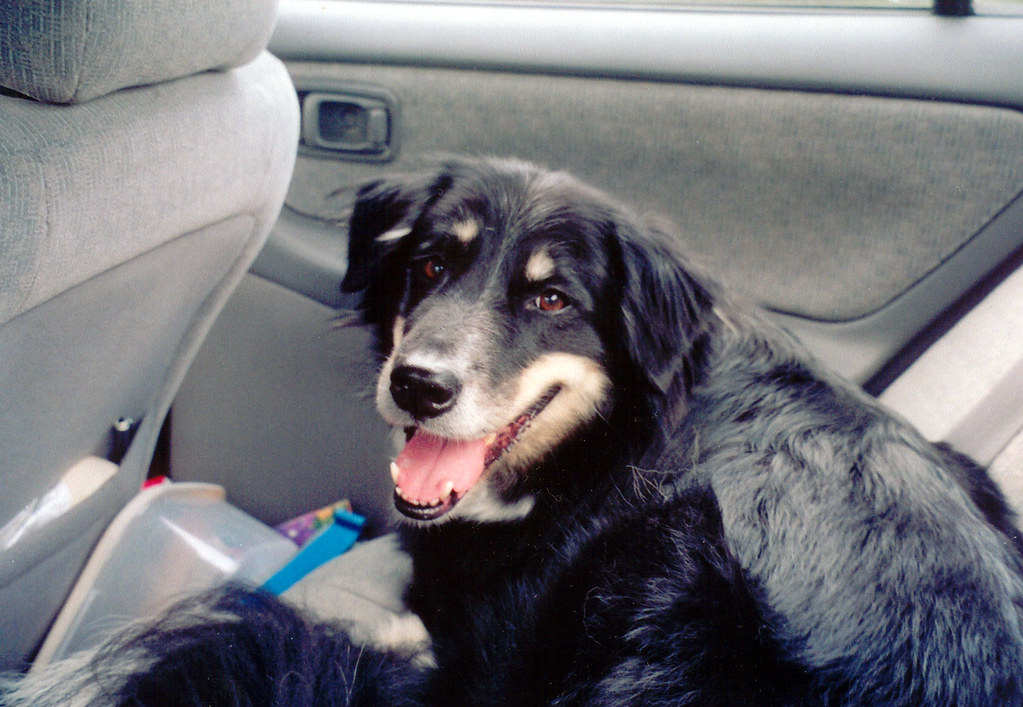
The front seat may feel comforting because the pet is close, but it creates several problems. A pet in the front can distract the driver, interfere with steering, or be injured by airbag deployment. A small dog on a passenger’s lap may look relaxed, yet that position gives the dog very little protection if the car stops suddenly.
The driver area should stay fully human. Pets should not ride on the driver’s lap, rest near pedals, lean against the gear shift, or move between the driver’s seat and the door. If a pet cries or paws for attention, pull over safely before adjusting anything. Reaching back while driving can become its own hazard. Before any trip, a pet safety checklist keeps the car plan tied to the same doors, exits, and supervision checks used at home.
Common unsafe setups include:
- A dog standing between the front seats while the car is moving.
- A cat loose in the cabin instead of inside a closed carrier.
- A small pet sitting on a lap near an airbag.
- A carrier placed where it can slide into the footwell.
- A leash clipped to a collar instead of using proper travel equipment.
This is where a little firmness helps. A pet can be loved and still be told that the back seat, carrier, crate, or harness is the riding place. The consistent rule matters more than one perfect ride.
Control heat, cold, and airflow before they become emergencies
Temperature is one of the biggest car risks for pets because cars change temperature quickly. A parked car can become dangerous fast in warm weather, even when the outside air feels mild. Cold weather can also be a problem for very young, older, short-haired, sick, or small pets. The car is not a neutral room; it is a space that can shift quickly.
Plan the ride so the pet is not left waiting in the vehicle. If an errand requires you to go inside a store, it is often safer to leave the pet at home unless another adult can stay with them and maintain the temperature. Cracking windows is not a dependable safety plan. Shade can move, weather can change, and delays happen.
During the ride, keep airflow steady without letting the pet hang far out of the window. A dog with its head out can be hit by debris, startled by traffic, or tempted to jump. A small opening for ventilation is different from giving the pet full access to the window. For cats, keep the carrier away from direct sun if possible and check that vents are not blasting too strongly into one spot.
Watch for heavy panting, drooling, restlessness, weakness or a sudden change in responsiveness. If heat illness is possible, pull over safely, move the pet out of the heat and arrange immediate veterinary care. Start cooling with cool running water over the body, keeping water away from the face and airway. Do not force drinking or delay transport to see whether the pet recovers.
Pack for delays, messes, and controlled stops
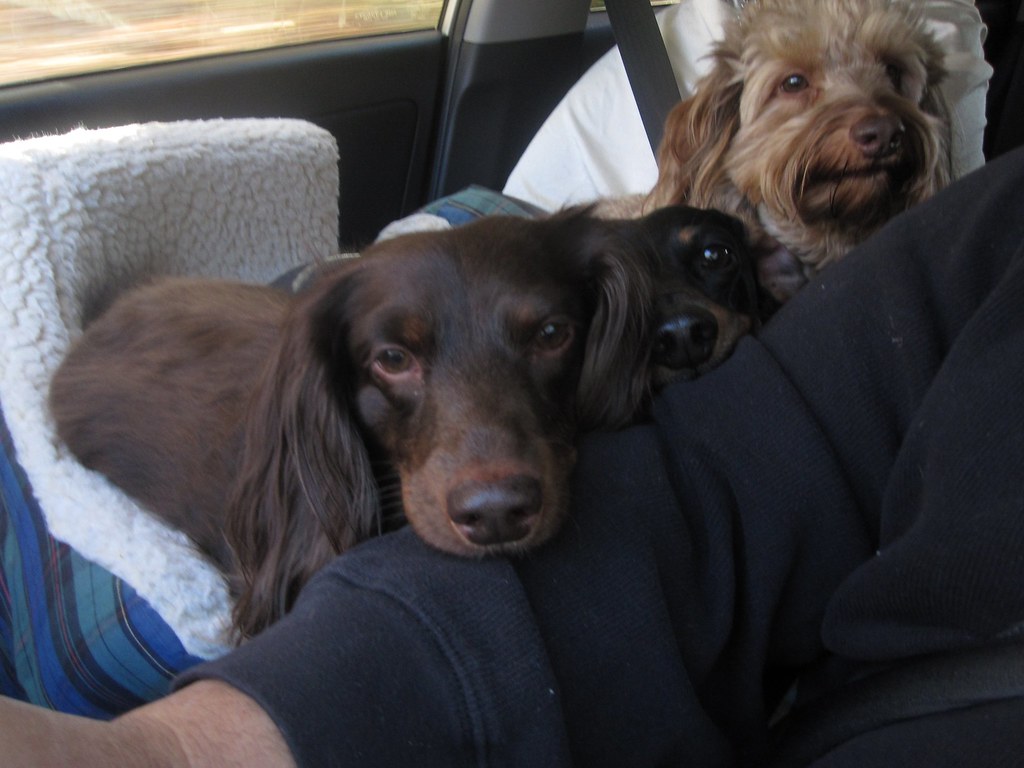
Many car safety problems appear when the trip changes. Traffic takes longer than expected, a pet gets carsick, water spills, a leash is packed in the trunk instead of the cabin, or the destination parking lot is busier than planned. A small travel kit keeps those moments from turning into improvisation.
For short local rides, the kit can stay simple. For longer drives, add more water, cleanup supplies, medication instructions if needed, and a copy of important pet information. If your pet has anxiety, motion sickness, or medical issues, ask your veterinarian about the plan before a long trip rather than experimenting on the road.
Useful car items include:
- A leash or harness that is easy to reach before any door opens.
- Water and a bowl for longer rides or warm days.
- Waste bags, towels, and simple cleanup supplies.
- A familiar blanket or mat if it helps the pet settle.
- Current ID tags and updated microchip information.
- Any medication or instructions your pet may need while away from home.
Stops should be controlled. Clip the leash before opening the carrier or door. Look around for traffic, loose dogs, loud equipment, or other triggers. A rest stop is not the place to test whether a nervous pet will stay close.
Use a repeatable car routine every time
The safest car routine is boring in a good way. Pets learn patterns, and people remember steps better when the same order happens every time. A routine also makes it easier for another adult in the house to help without guessing what comes next.
Use this simple sequence:
- Prepare the carrier, travel harness or crate and its documented securing system before bringing the pet to the car.
- Load the pet calmly and secure the restraint before closing the door.
- Check temperature, airflow, and window position before driving.
- Keep the pet out of the driver area for the whole ride.
- Park, clip the leash or control the carrier, and then open the door.
- Unload in a calm place away from traffic or crowded entrances when possible.
Repeat the same routine for vet visits, errands, park trips, and family visits. If car rides only happen during stressful appointments, pets may begin to resist the car before the safety setup even starts. Calm practice rides can help the car feel less dramatic.
Keeping pets safe in the car is a layered habit. Use a real restraint, secure carriers so they cannot slide, keep pets away from the front seat, manage temperature early, pack for delays, and control every exit. A safer ride protects the pet, the driver, and everyone else sharing the road.
Sources and further reading
- CPS cargo anchor advisory: Anchor ratings and crate-securing limitations.
- CPS tested travel products: Independent crash-performance evidence.
- CDC heat safety guidance: Parked-car heat prevention.
- RECOVER pet first aid guidelines: Urgent veterinary assessment and first aid boundaries.

Keep this guide handy
Save this article for later. Read the guide above for the details and cautions.
Save to Pinterest (opens in a new tab)