Pet Safety Checklist Before Leaving Home
Published Updated

Writer and editor focusing on everyday care and life with a new dog or cat.
Leaving home for errands, work, or a short evening out can feel routine, but pets experience the house differently when people are gone. A pet may explore a counter, chew something new, scratch at a door, drink more water than expected, or become anxious after a sound outside. A short safety check lowers those risks before they turn into a problem.
A good pet safety checklist before leaving home should be simple enough to use every day. Skip the complicated ritual and check the few things that protect dogs and cats most often: exits, water, food, temperature, hazards, and a calm resting space.
The checklist should match your actual pet. A curious kitten, a senior dog, a nervous rescue, and a confident adult cat may need different details, even if the main routine is the same.
Start the pet safety checklist with doors and exits
Door safety is the first part of leaving home because an open exit can become dangerous quickly. Check the front door, back door, garage door, patio door, balcony door, and any loose window screens before you leave. Pets that normally stay calm may still bolt if they hear another animal, a delivery, or a loud vehicle outside.
Look at the door from your pet’s point of view. A dog may push through a weak gate. A cat may slip onto a balcony through a small opening. A puppy may paw at a screen. If the pet has a history of door rushing, add a barrier, crate, closed room, or baby gate before opening the main exit.
Collars and identification matter too. Even indoor pets can escape by accident. Make sure tags are attached, readable, and not caught on furniture or crate wires. If your pet is microchipped, keep the contact information updated so an escape does not become harder to solve.
Before stepping out, pause for one last visual check. Know where each pet is. Do not assume the cat is in the bedroom or the dog is on the couch if you have not actually seen them.
Check food and water before leaving pets home alone
Water should be easy to reach, clean, and stable. A half-empty bowl may be fine for a short trip, but a long workday, warm room, or multiple pets can change that. Use a bowl that is hard to tip over, and place it where the pet can reach it without crossing a blocked area or slippery floor.
Food depends on the pet’s schedule. Some pets do well with a regular meal before you leave. Others need measured food in a puzzle feeder, slow feeder, or timed feeder. If your pet gulps food, vomits after meals, guards food from another pet, or needs medication with food, plan around that rather than leaving a random bowl out.
For multi-pet homes, separate food if one animal eats faster or steals from another. Cats may need a high feeding spot. Dogs may need bowls in separate rooms. A safety checklist should prevent food conflict as much as hunger.
Do not test a new feeder, treat, or chew for the first time when nobody is home. New food routines are better introduced while you can watch how the pet reacts.
Remove home hazards before leaving pets unsupervised
Pets investigate with mouths, paws, noses, and curiosity. Before leaving, scan the rooms your pet can access. Look for cords, medications, cleaning products, small toys, food wrappers, trash, loose strings, open bags, sharp items, and plants that could be unsafe. These checks are easier to keep when the adoption plan already covers practical pet-adoption questions about home setup and daily supervision.
Some hazards only appear after daily routines. A pill may fall near a nightstand. A trash lid may not close fully. A backpack may contain gum, snacks, or cosmetics. A kitchen counter may have food cooling near the edge. A pet that ignores these things while you are home may behave differently when bored.
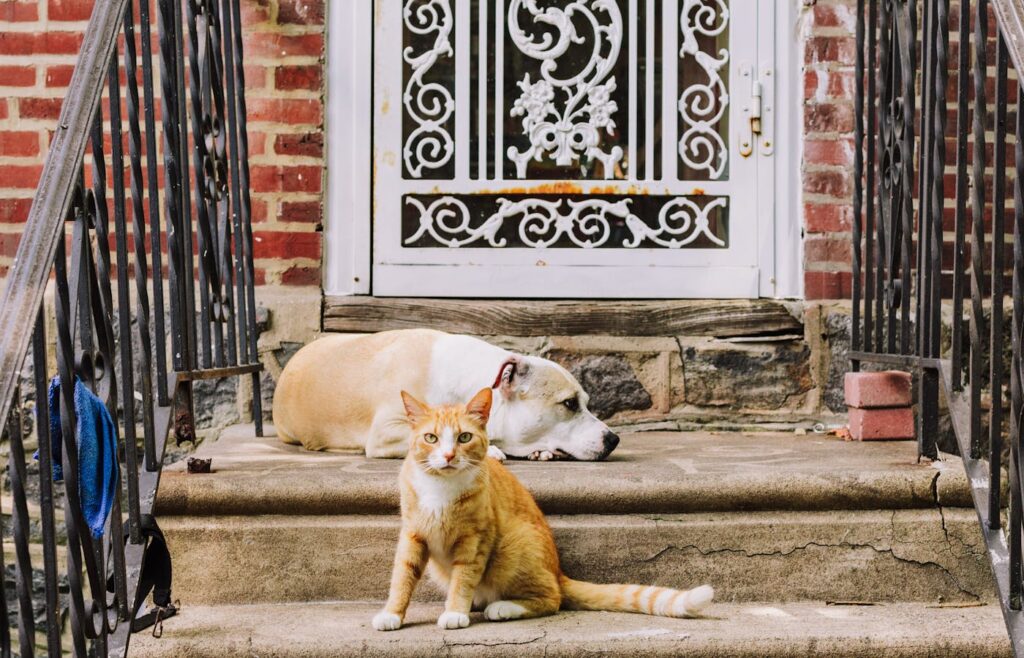
Use closed doors when needed. It is often easier to limit access than to make every room pet-proof. Bathrooms, laundry rooms, offices, garages, and kids’ rooms can hold items that are hard to manage every morning. Give the pet safe rooms instead of full-house freedom if that is more realistic.
- Put medications and vitamins behind closed doors.
- Move trash, food wrappers, and bones out of reach.
- Unplug or hide cords that attract chewing.
- Close access to balconies, garages, and laundry areas.
- Check that unsafe plants are not reachable.
Set the home temperature and comfort space for pet safety
Temperature is easy to overlook because people leave the house wearing coats, shoes, or light clothing. Pets stay behind in the room as it changes. Before leaving, think about heat, cold, sunlight, drafts, and airflow. A room that feels fine at 8 a.m. may become hot by early afternoon.
Dogs and cats need a comfortable resting area away from direct heat, harsh sun, loud appliances, and drafts. A bed, mat, crate, or familiar blanket can help, especially for pets that settle better with a predictable spot. Senior pets may need softer bedding. Puppies and kittens may need fewer climbable or chewable items nearby.
Noise matters too. If construction, storms, fireworks, or heavy traffic are likely, set up a quieter area before leaving. Closing curtains, using a fan, or moving the pet to an interior room may help some animals feel less exposed. Keep the setup familiar rather than surprising the pet with a brand-new space.
Comfort is part of safety because stress changes behavior. A nervous pet may scratch doors, chew fabric, pace, bark, hide, or refuse water. The safer space is the one your pet already accepts.
Use a leaving home routine that pets can recognize
Pets read patterns. If every departure feels rushed, the pet may become alert before you even reach the door. A calm routine can make leaving more predictable. This does not mean making a dramatic goodbye. It means giving the pet the same basic cues, checks, and settling space each time.
Keep the routine short. Long emotional goodbyes can make some pets more anxious. Instead, check the house, offer the planned comfort item or safe space, confirm water, and leave calmly. If your pet has separation anxiety signs, a routine can help, but it may not be enough by itself. Persistent distress deserves professional guidance.
- Confirm where each pet is before opening the door.
- Check water, food, litter box, or potty access.
- Move hazards out of reach or close unsafe rooms.
- Set the pet’s resting space, crate, or safe room.
- Check temperature, windows, and exterior doors.
- Leave calmly without turning the exit into a big event.
This routine should be easy to repeat on a normal morning. If it takes too long, simplify it until you can actually use it without rushing.
Review the pet safety checklist after you return home
The return home tells you whether the checklist is working. Look for tipped bowls, scratched doors, chewed items, trash pulled out, accidents, excessive drool, hiding, pacing, or unusual tiredness. These signs do not always mean an emergency, but they do show where the setup needs adjustment.
If one problem repeats, fix the pattern instead of only cleaning up after it. A tipped water bowl may need a heavier bowl. A scratched door may mean the pet needs a different room or more gradual alone-time training. Trash on the floor may mean the bin needs a latch or a closed pantry.
- Notice what moved while you were gone.
- Check whether food and water access worked.
- Look for chewing, scratching, hiding, or accidents.
- Adjust one part of the setup before the next departure.
- Call a veterinarian if the pet seems sick, injured, or unusually distressed.
A pet safety checklist before leaving home should make departures quieter, not more stressful. Once the basics are reliable, most trips out of the house become easier for you and safer for the pets waiting inside each day.
Sources and further reading
- ASPCA household product guidance: Further reading on this topic.

Keep this guide handy
Save this article for later. Read the guide above for the details and cautions.
Save to Pinterest (opens in a new tab)