
Beginner Guide to Puppy Crate Training
Published Updated

By Silas Payao
Writer and editor focusing on clear steps for new dog and cat owners.
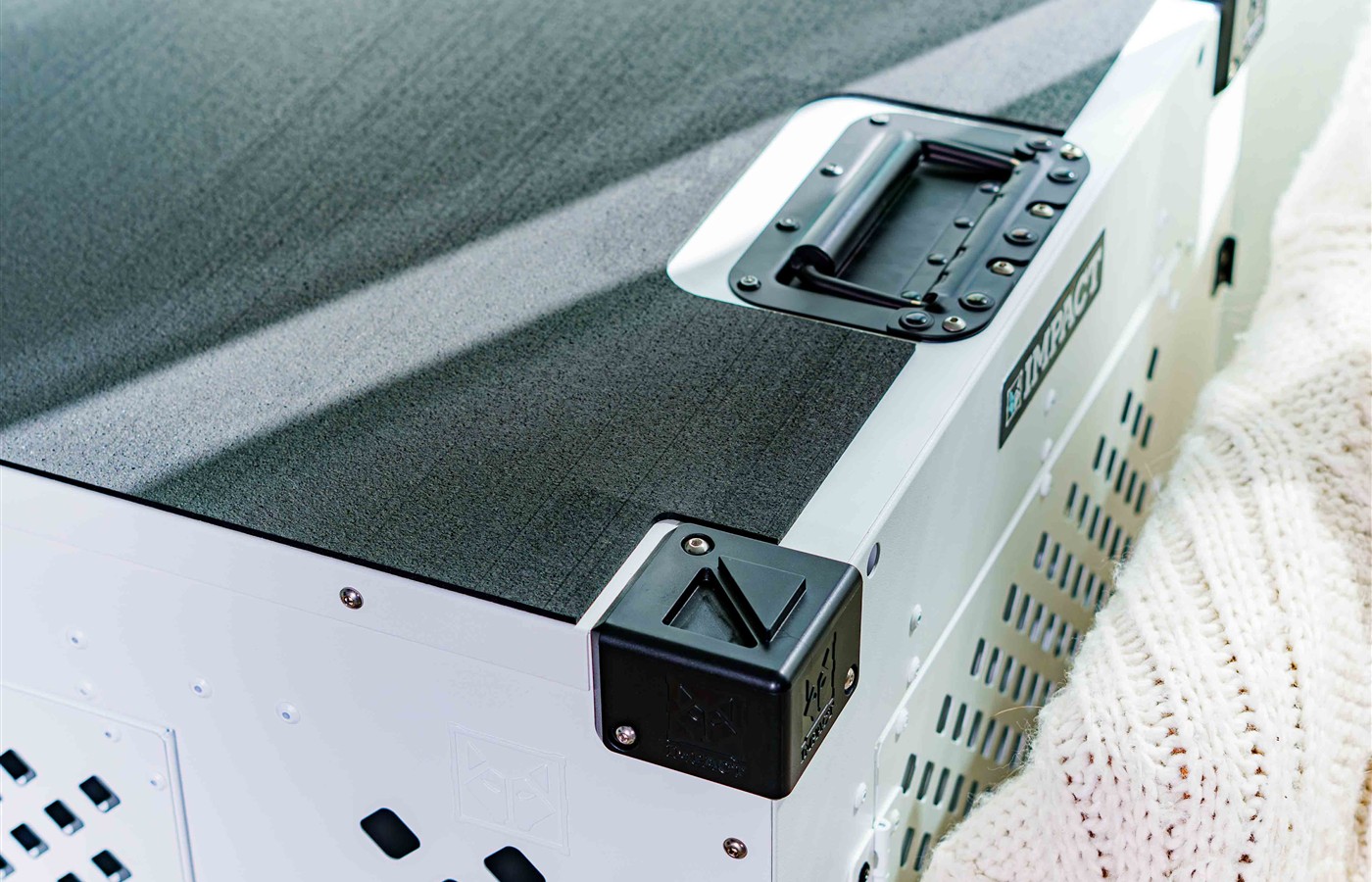
A crate is not a shortcut around patience. Used well, it gives a puppy a safe resting place and helps the household manage sleep, potty timing, chewing, and quiet breaks. Used badly, it can become a place the puppy fears. The difference is usually the first few days of introduction.
For beginners, the crate should feel boring in the best sense: predictable, comfortable, and never dramatic. The puppy learns that the door, the bed, and the quiet space are normal parts of the day.
The most useful mindset is gradual trust. You are not trying to prove the puppy can tolerate a long stay immediately. You are teaching many small moments of entering, resting, hearing the door, and coming out calmly.
Choose a crate that fits the puppy now
Before buying extras, check how the door opens and where the crate will sit. A door that blocks a walkway will annoy the household and make the crate feel like clutter. A good location is easy to reach but not in the middle of every step.
Measure the crate with the puppy standing if possible. Photos can be misleading, and a fluffy bed can steal interior height. The puppy should not have to crouch to turn around.
The crate should be large enough for the puppy to stand, turn around, and lie down comfortably. It should not be so large that one end becomes a bathroom and the other end becomes a bed. Many wire crates include dividers, which helps if you bought a size the puppy can grow into. Adjust the divider as the puppy grows.
Place the crate where family life is present but not overwhelming. A living room corner, bedroom, or quiet kitchen area may work, depending on the home. Avoid spots beside loud appliances, direct heat, harsh sun, or constant foot traffic. Add a washable mat or bed if the puppy does not chew bedding. Comfort matters, but safety matters first.
| Crate choice | Why it matters |
|---|---|
| Proper size | Supports rest and potty training |
| Washable bedding | Makes accidents easier to handle |
| Quiet location | Helps the puppy settle |
| Safe chew options | Gives the puppy a calm job |
Make the first sessions short and easy
Use a calm voice during these first sessions. Excited cheering can make the crate feel like a game, while frustration can make it feel suspicious. Quiet rewards teach the puppy that entering the crate is ordinary and pleasant.
If the puppy hesitates, reward looking at the crate, stepping toward it, or placing front paws inside. Smaller steps keep the lesson successful instead of turning the crate into a test. Crate practice belongs within a daily dog routine that also leaves enough time for toilet breaks, movement and company.
Start with the door open. Toss a few treats inside, let the puppy walk in, and let the puppy walk out. Do not rush to close the door. Repeat this several times until the puppy enters without hesitation. Feed a meal near the crate, then inside the crate if the puppy is comfortable. Food builds a good association without a lot of talking.
When you first close the door, keep it brief. Close it for a few seconds while the puppy is eating or licking a safe treat, then open it before the puppy worries. Slowly stretch the time. If the puppy cries immediately, you may have moved too fast. Back up to easier sessions instead of forcing a long stay.
Use the crate around naps and potty timing
Nap timing is easier when the puppy has already had a chance to potty and move. A puppy placed in the crate with a full bladder or unused energy will struggle, and that struggle can be mistaken for crate dislike.
A tired puppy may still protest for a minute because settling is new. Keep your response calm and predictable, then look for patterns over several naps rather than judging one noisy attempt.
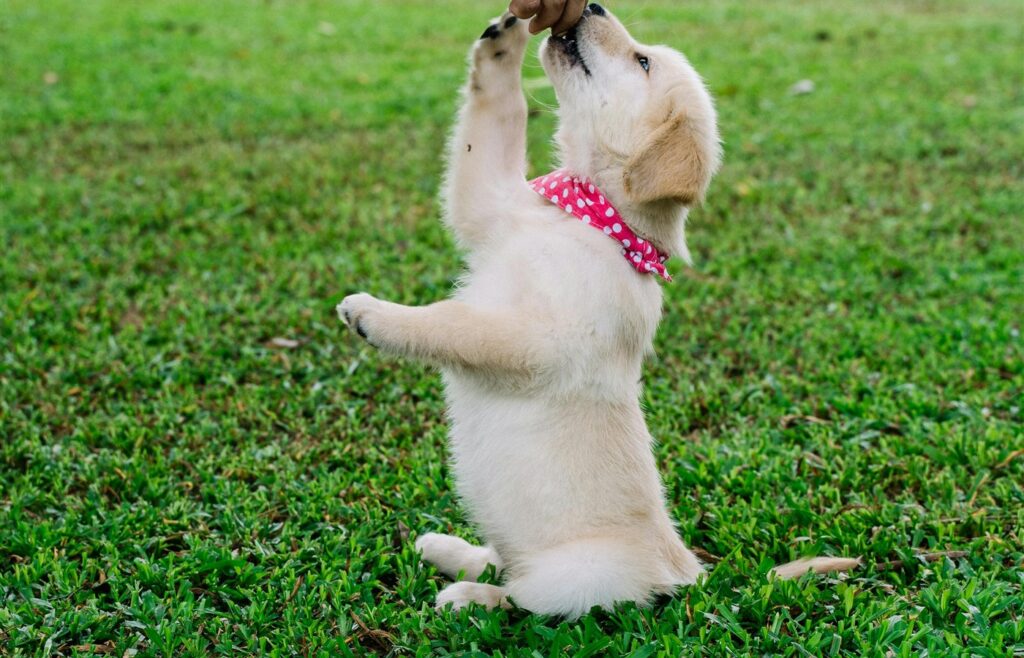
Puppies often need help settling. They can become wild when they are actually tired. After play, training, or a potty trip, guide the puppy to the crate with a treat and a calm cue. Keep the room peaceful. A puppy who naps in a crate learns that rest is part of the day, not a punishment for being energetic.
Crate timing also supports potty training because most puppies do not want to soil their sleeping area. That only helps if the schedule is fair. Take the puppy out after waking, after meals, after play, before bed, and any time the puppy signals urgency. A puppy left too long may have an accident because the human schedule was unrealistic.
- Potty first, then crate time.
- Keep crate sessions short after active play.
- Offer water according to your normal routine.
- Clean accidents without scolding.
Handle nighttime with calm repetition
Nighttime success may require small adjustments. A covered side, a familiar blanket outside the crate, or moving the crate closer to the bed can help some puppies. Change one thing at a time so you can read the result.
For overnight trips outside, carry the puppy or leash quietly if needed, use the same potty spot, and return with little conversation. The less exciting the trip is, the faster nights improve.
Nighttime crate training can be emotional because the house gets quiet and the puppy notices every change. Put the crate near your bed at first if that helps the puppy feel secure. Take the puppy out for a boring potty break if the crying sounds urgent or happens after several hours of sleep. Keep lights low, skip play, and return to the crate calmly.
If the puppy cries because it wants company, avoid turning every sound into a big event. Wait for a tiny pause when possible, then reward quiet with your calm presence. If the crying escalates into panic, drooling, frantic scratching, or repeated attempts to escape, treat that as stress rather than stubbornness. The crate introduction may need to slow down, which is also why outside crate training guidance should be treated as a pacing reference, not a reason to push faster.
The first week is information gathering. You are learning how long the puppy can hold it, what helps the puppy settle, and where the crate should sit.
Avoid using the crate as punishment
If children are in the home, teach them that the crate is a resting area. They should not crawl inside, shake the door, or tease the puppy through the bars. The crate loses value if it is not protected as a quiet space.
Punishment also includes angry body language. If you need a break, place the puppy safely with a chew, breathe, and reset. The crate should not receive the emotion of the difficult moment.
The crate should not mean everyone is angry. If the puppy bites, steals socks, or has an accident, do not shove the puppy into the crate in frustration. Use management calmly: take away the unsafe item, offer a legal chew, take the puppy outside, or set up a nap if the puppy is overtired. Tone matters as much as the action.
Also avoid leaving collars, loose tags, or unsafe toys in the crate. Check bedding for chewing. Keep the crate clean and dry. If the puppy repeatedly resists entering, look at the whole setup: size, location, temperature, timing, and whether crate sessions are too long.
- Check crate size, bedding, temperature, and location before blaming the puppy.
- Keep early door-closed sessions short enough to end calmly.
- Use potty timing and naps together so the crate does not become a struggle.
- Slow down if panic signs replace normal protest.
The crate is successful when the puppy can rest there and come out ready for normal life. That kind of comfort comes from many small, fair repetitions.
A crate should predict rest, not punishment or panic.
Sources and further reading
- AVSAB training position statements: Further reading on this topic.

Keep this guide handy
Save this article for later. Read the guide above for the details and cautions.
Save to Pinterest (opens in a new tab)