
What to Buy Before Bringing a Puppy Home
Published Updated

Writer and editor focusing on everyday care and life with a new dog or cat.
Buying for a puppy is easy to overdo. The pet store makes every soft bed, tiny sweater, chew toy, supplement, and training gadget look urgent, but the first week at home is mostly about safety, food, sleep, bathroom routines, and calm handling. A shorter list, chosen well, is kinder to both the puppy and the people trying to learn the rhythm.
I would build the first shopping trip around what the puppy will use on day one: a place to sleep, a way to eat and drink, safe ways to go outside, cleanup supplies, and a few appropriate things to chew. Decorative extras can wait until you know the puppy’s size, habits, and confidence level.
Buy the eating basics before you buy the cute extras
Start with food. If the breeder, shelter, rescue, or previous caregiver tells you what the puppy has been eating, buy enough of that food for the transition period. Sudden food changes can upset a puppy’s stomach, so it is usually better to change gradually if you plan to switch brands. Ask for feeding amounts, meal times, and any notes about appetite before pickup day.
Choose two stable bowls, one for food and one for water. Stainless steel is easy to wash and hard to chew. Ceramic can work if it is heavy and not chipped. Plastic bowls are inexpensive, but some puppies chew them or scratch the surface, which makes cleaning harder. A mat under the bowls is not essential, but it helps if the puppy splashes water or drags kibble onto the floor.
Keep treats simple at first. You do not need a pantry full of snacks. Pick small, soft training treats or use part of the puppy’s regular kibble for easy rewards. The first useful treat is the one you can give quickly when the puppy sits, looks at you, follows you outside, or chooses a toy instead of a shoe.
| Item | First-week purpose |
|---|---|
| Current puppy food | Keeps meals familiar during the transition |
| Two washable bowls | Separates food and water clearly |
| Small training treats | Rewards simple behaviors without overfeeding |
| Food storage container | Keeps kibble dry and harder for the puppy to reach |
Set up sleep, confinement, and a calm landing place
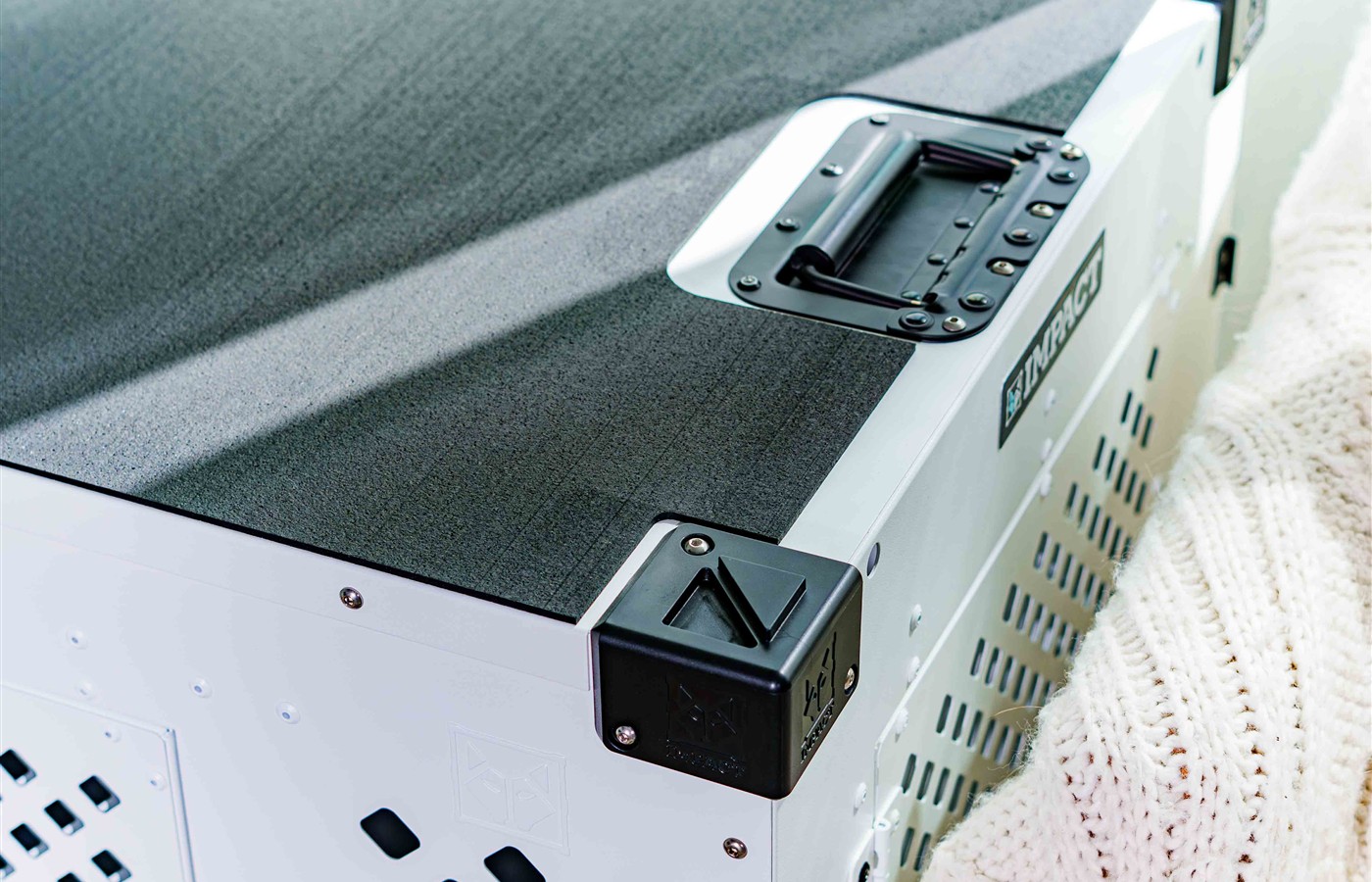
A puppy needs a safe place where nobody trips over them, steps on them, or expects them to make good choices while tired. For many homes, that means a crate, playpen, or gated area. The right option depends on the puppy’s size and your layout, but the principle is the same: the space should hold a bed or mat, water if appropriate, and a few safe chew items without giving access to cords, rugs, shoes, or stairs.
Choose bedding that is washable rather than fancy. Some puppies have accidents, some chew seams, and some drag blankets into the water bowl. A simple crate mat, fleece blanket, or towel may be better than an expensive bed for the first nights. If the puppy is very young, avoid anything that can be shredded and swallowed.
First-night comfort is partly about placement. A puppy who has just left familiar littermates may settle better near people at first, even if the long-term sleeping spot will be elsewhere. You can move the setup gradually later. What matters on night one is that the puppy has a predictable, safe place to rest and that everyone in the house knows it is not a play zone.
Choose leash gear that fits the puppy today
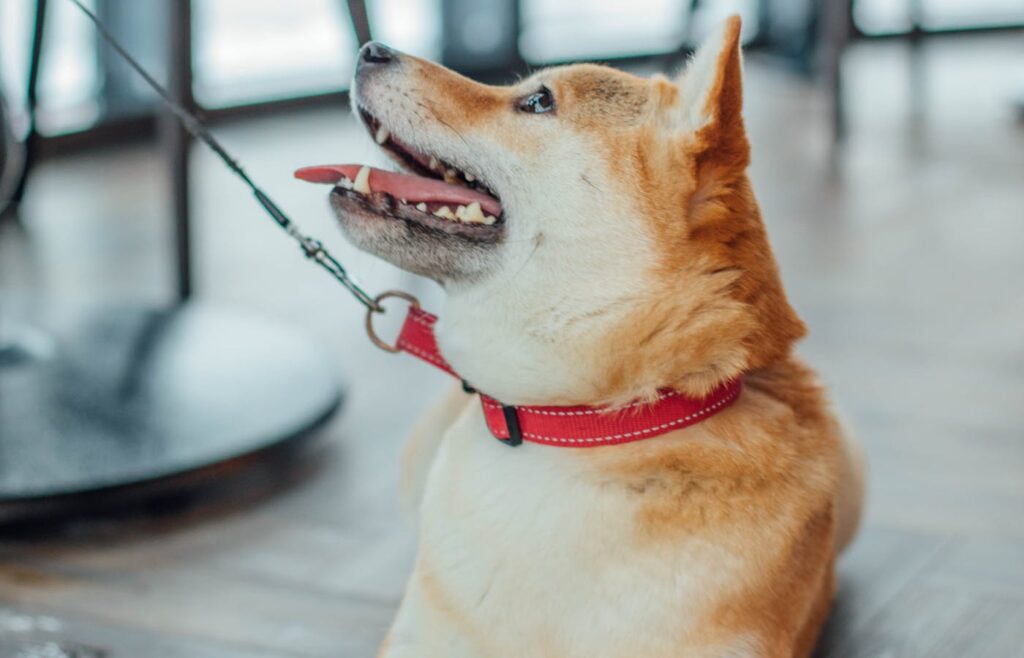
For going outside, buy a lightweight leash, a collar with an ID tag, and, if suitable, a harness that fits the puppy’s current body. Puppies grow quickly, so adjustable gear is useful, but it still needs to fit now. A harness that slides around the shoulders or a collar that slips over the head is not safe just because the puppy will grow into it later.
Put the ID tag on before the first walk or yard trip. It should include a phone number. If the puppy is already microchipped, make sure the registration information is current. For potty trips, a plain leash is usually better than a retractable one because it keeps the puppy close and makes timing easier. You want to notice sniffing, circling, squatting, and distraction before the puppy wanders too far.
Do not buy a pile of training tools before meeting the puppy’s real behavior. Most first-week progress comes from timing, repetition, and calm rewards, not equipment. If pulling, fear, chewing the leash, or refusing to move becomes a pattern, you can adjust gear later with better information.
For car rides, add one safe transport choice before pickup day: a travel crate, carrier, or crash-tested restraint sized for the puppy. Holding a puppy loose in the front seat is not a plan. Bring a towel, waste bags, and a spare cloth for the ride home. Some puppies drool, whine, or get carsick from stress, and it is easier to stay calm when cleanup is already in the bag. The same practical thinking applies to grooming supplies, because a basic pet-grooming routine can help the owner choose items the dog can tolerate.
Prepare for accidents, chewing, grooming, and vet notes
Cleanup supplies are not optional. Buy an enzymatic cleaner made for pet accidents, paper towels or washable cleaning cloths, waste bags, and a small trash plan for used pads or outdoor pickup. Ordinary cleaners may remove the visible mess but leave scent behind, which can invite repeat accidents in the same spot.
For chewing, choose a few puppy-safe toys with different textures: a soft toy for comfort, a rubber chew, and perhaps a food-stuffable toy if it suits the puppy’s age and supervision level. Avoid toys small enough to swallow, hard enough to risk teeth, or filled with pieces that come apart easily. Rotate toys instead of leaving everything out; novelty helps without buying more.
Basic grooming can stay simple: a gentle brush, puppy shampoo for real messes, nail clippers or a grinder if you know how to use them, and a towel near the door. Add a folder or note app for vaccine records, deworming dates, medications, microchip information, and questions for the veterinarian. A first vet appointment is easier when the details are not buried in text messages.
If children live in or visit the home, buy baby gates or use closed doors before the puppy arrives. Separation is not punishment; it prevents chasing, grabbing, dropped snacks, and overtired puppy behavior. A calm boundary helps everyone learn how to interact gently.
Skip impulse buys until the puppy shows you what matters
The first week will teach you more than the shopping aisle can. You may discover that the puppy hates a raised bowl, sleeps better with a covered crate, chews soft toys too hard, or needs a different harness shape. Waiting on extras is not being unprepared; it is leaving room to buy the right thing later.
- Buy one main bed or mat, not three.
- Start with a few toys in different textures.
- Choose washable items over decorative ones.
- Keep receipts for gear that may not fit after a week.
Also leave space in the budget for the first things you cannot predict: a different food bowl height, a better-fitting harness, a replacement toy, a vet-recommended product, or extra cleaning supplies. The first week often reveals the real priorities faster than a checklist can.
- Buy feeding, water, cleanup, and confinement items first.
- Fit the leash or harness before planning long walks.
- Add two or three chew options, then watch what the puppy actually uses.
- Wait on extra beds, outfits, and specialty gadgets until the first week teaches you more.
The best puppy setup is boring in a good way. Food is ready. Water is reachable. The sleep area is safe. Cleanup supplies are close. Leash gear fits. The puppy has something legal to chew. Once those basics are handled, you can enjoy the fun purchases with a clearer idea of the puppy in front of you.
Sources and further reading
- ASPCA dog care guidance: Further reading on this topic.

Keep this guide handy
Save this article for later. Read the guide above for the details and cautions.
Save to Pinterest (opens in a new tab)