
Winter Safety Tips for Dogs and Cats
Published Updated

By Silas Payao
Writer and editor focusing on clear steps for new dog and cat owners.
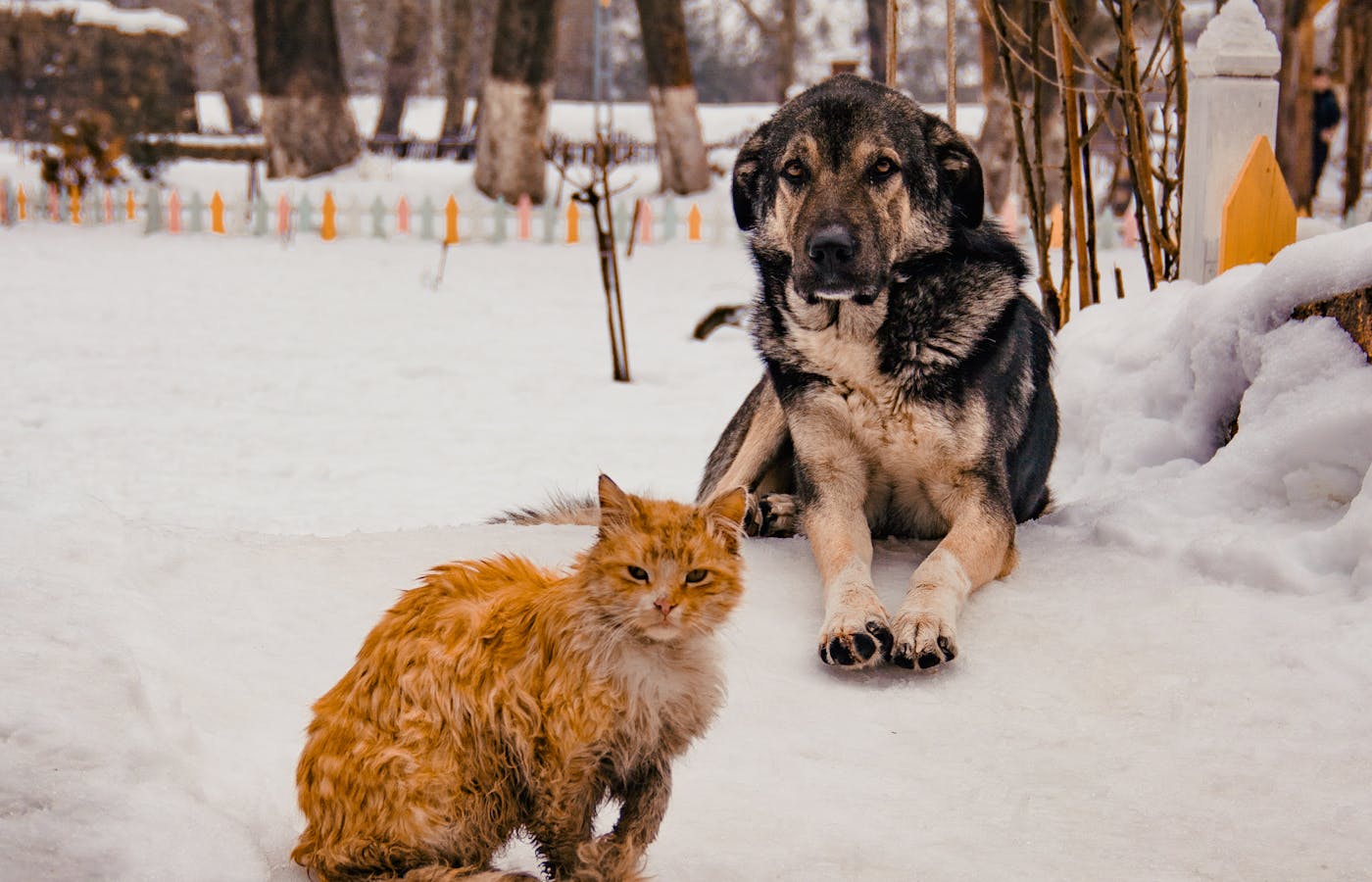
Winter can make ordinary pet care less predictable. A dog that usually loves long walks may start lifting paws after a few minutes. A cat that watches birds by the window may spend more time near cold glass, dry air, or blocked heat vents. Small changes in temperature, ice, and routine can matter.
Winter safety tips for dogs and cats should cover more than warm-looking sweaters. Pets need safe outdoor limits, protected paws, steady indoor warmth, fresh water, and a plan for the days when weather changes quickly. Cold weather can be manageable, but guessing is a poor strategy.
The safest winter routine is the one that adjusts to the pet in front of you. Coat type, age, health, body size, activity level, and access to shelter all change how much cold a pet can handle.
Watch how quickly cold affects your pet
Cold tolerance varies widely. A thick-coated adult dog may enjoy a brisk walk, while a small short-haired dog may shiver quickly. Senior pets, puppies, kittens, thin pets, wet pets, and animals with heart, joint, or respiratory problems can struggle sooner than expected.
Look at behavior instead of relying only on the temperature. Shivering, lifting paws, slowing down, whining, tucking the tail, seeking shelter, refusing to walk, or trying to turn back can all mean the outing is too much. Cats may hide, curl tightly, avoid cold floors, or seek heat sources more often.
If a pet comes indoors wet from snow or freezing rain, dry the coat and paws. Wet fur loses warmth faster, and damp paws can become irritated. A quick towel routine near the door is better than letting the pet wander through the house cold and wet.
I would rather shorten a walk and add indoor play than push a pet to finish a route just because the schedule says so. Winter routines need room to change.
Make special allowances for pets who cannot explain discomfort clearly. A quiet senior cat, a tiny dog, or a newly adopted pet may show stress with stillness instead of obvious complaint.
Protect paws from ice, salt, and rough ground
Paws take a lot of winter punishment. Ice can cut or scrape pads. Snow can pack between toes. Salt and de-icing chemicals can sting skin and may be unsafe if a pet licks them off. Even a dog that enjoys cold weather can come home with irritated paws.
Check paws after walks, especially between the toes and around the pads. Wipe or rinse them when sidewalks have salt or unknown chemicals. If your dog accepts boots, they can help on icy or heavily treated paths. If boots create more stress than protection, shorter walks and careful wiping may be the better first step.
Cats that go outside need paw checks too. Snow, mud, road salt, and cold surfaces can affect them even if they spend less time outdoors. Indoor cats may still step on cold entryway floors or lick residue carried in on shoes.
- Keep a towel near the door for wet paws and bellies.
- Trim long fur between paw pads if snow keeps clumping there.
- Use pet-safe paw balm only when your pet tolerates it.
- Avoid puddles near treated sidewalks and parking lots.
- Call a vet if pads look cracked, bleeding, swollen, or painful.
Make indoor warmth steady and safe for dogs and cats
Indoor winter safety is not only about turning up the heat. Pets need warm resting spots that are away from drafts, damp floors, and unsafe heat sources. A bed near a chilly door may look cozy but still leave a pet uncomfortable overnight.
Check where your pet actually rests. If a cat keeps moving closer to a vent, sunny window, or blanket pile, the usual bed may be too cold. If a dog avoids tile floors and curls tightly on furniture, add a washable mat, rug, or bed in a warmer area.
| Winter risk | Common clue | Safer response |
|---|---|---|
| Cold floors | Pet avoids lying down or curls tightly | Add a bed, mat, or blanket away from drafts |
| Dry indoor air | More scratching or flaky skin | Monitor skin and ask a vet about persistent irritation |
| Space heaters | Pet sleeps too close to heat | Use stable, supervised heat sources with clear distance |
| Blocked vents | One room stays colder than the rest | Move beds and check airflow before bedtime |
Be careful with heated pads, fireplaces, candles, and portable heaters. Pets may not understand burn risk, cords, tipping, or overheating. Warmth should be steady and supervised, not risky.
Adjust walks and outdoor time by conditions
Winter walks are not all the same. A dry cold afternoon, icy morning, windy night, and wet snowfall can feel completely different to a pet. Wind, dampness, darkness, and icy footing can make a short outing harder than the thermometer suggests.
For dogs, break long walks into shorter outings when conditions are rough. Choose clearer paths, avoid frozen puddles, and watch for limping or paw lifting. Reflective gear or a light can help drivers see both of you when daylight is short.
For cats with outdoor access, winter needs stricter limits. Cats can seek warmth in unsafe places, including under cars or near engines. They can also become trapped in sheds, garages, or crawl spaces while trying to escape cold weather.
Outdoor time should end before the pet is cold enough to ask for help loudly.
Shelter helps, but it does not make dangerous weather harmless. Bring pets inside during severe cold, storms, freezing rain, or unsafe wind. If a pet normally spends time outdoors, provide shelter, unfrozen water, and regular checks, but do not use shelter as an excuse to ignore dangerous weather.
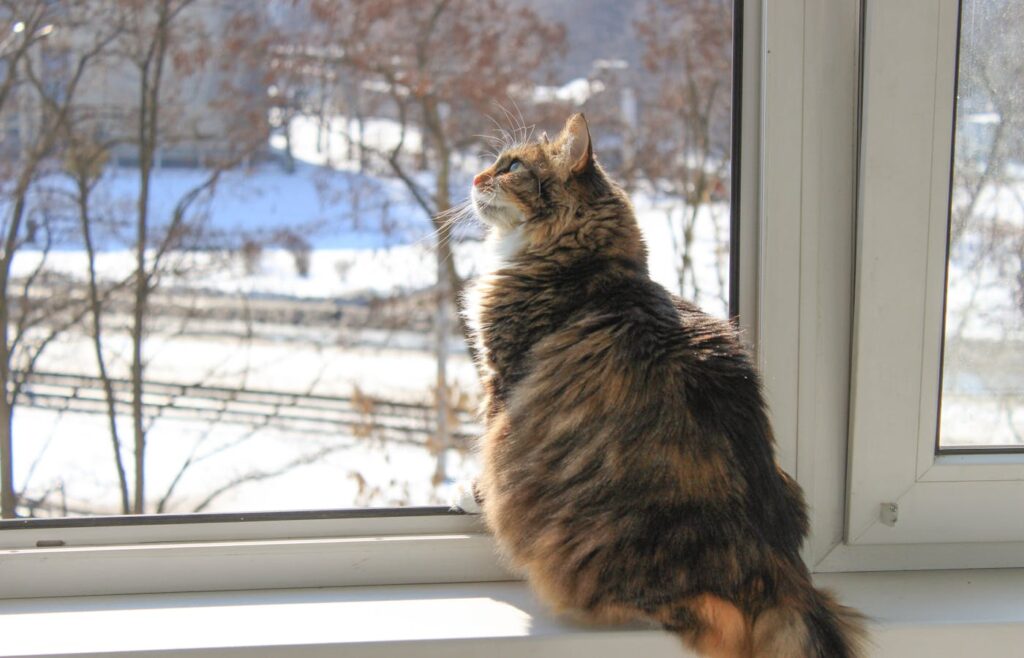
Protect water, food, and grooming in the winter routine
Pets still need fresh water in winter. Indoor heat can dry the air, and some pets drink less when routines change. Outdoor bowls can freeze quickly, leaving a pet without access even when the bowl looks full from a distance.
Food needs can change too. Some outdoor or highly active dogs burn more energy in cold weather, while less active indoor pets may need the same amount or even less. Do not change food portions sharply without considering body condition, activity level, and veterinary advice.
Grooming also matters. A matted coat does not insulate well, and wet mats can hold cold against the skin. At the same time, shaving a pet too short in winter can remove useful protection. Brush regularly, dry wet fur, and keep coats clean enough to work as intended.
- Refresh indoor water daily and watch whether bowls are being used.
- Check outdoor water often so it does not freeze unnoticed.
- Brush coats to prevent mats that trap dampness.
- Dry ears, paws, and belly fur after snow or rain.
- Ask a vet before making major food changes for winter.
Know the warning signs that need quick help
Winter problems can become serious when a pet stays cold too long, gets wet in freezing weather, eats something unsafe, or walks on treated ice. Early signs matter because pets may hide discomfort until they are already stressed.
Watch for intense shivering, weakness, confusion, pale gums, slow movement, trouble walking, painful paws, vomiting, coughing, or unusual sleepiness after cold exposure. These signs should be taken seriously, especially in very young, senior, sick, or small pets.
Antifreeze is another winter danger. It can smell or taste appealing to pets and is highly dangerous even in small amounts. Keep it sealed, clean spills immediately, and treat possible exposure as urgent. Ice melt products, rodent bait, and winter chemicals also deserve careful storage.
If you are unsure whether a symptom is weather-related or medical, call a vet or emergency clinic. A short phone call is better than waiting through a cold night while a pet gets worse.
Keep emergency numbers easy to find during winter storms. If power, roads, or phone batteries become a problem, searching for clinic information at the last minute adds avoidable stress.
Build a simple cold-weather pet routine
A routine makes winter care easier because you do not have to rethink every cold day from scratch. The routine should cover outdoor checks, paw care, indoor warmth, water, and warning signs. Keep it short enough that every person in the home can follow it.
Write the routine near the door, food station, or leash area if multiple people care for the pet. A simple shared note helps everyone make the same cold-weather decisions.
- Check the weather before walks or outdoor access.
- Shorten outings when wind, ice, or wet snow makes conditions harder.
- Wipe paws, legs, and belly fur after outdoor time.
- Move beds away from drafts and unsafe heat sources.
- Refresh water and check that outdoor bowls are not frozen.
- Store antifreeze, ice melt, and chemicals out of reach.
- Watch for shivering, limping, weakness, or unusual behavior.
Cold-weather pet care becomes easier when it turns into a set of small habits. Shorter walks, paw checks, warm resting spots, clean water, safer storage, and early attention to warning signs can make winter much easier on pets.
Review the routine after the first hard cold week, because that is when weak spots in the setup usually become visible.
Sources and further reading
- AAHA cold weather guidance: Further reading on this topic.

Keep this guide handy
Save this article for later. Read the guide above for the details and cautions.
Save to Pinterest (opens in a new tab)