
How Often Should You Walk a Dog?
Published Updated

Writer and editor focusing on everyday care and life with a new dog or cat.
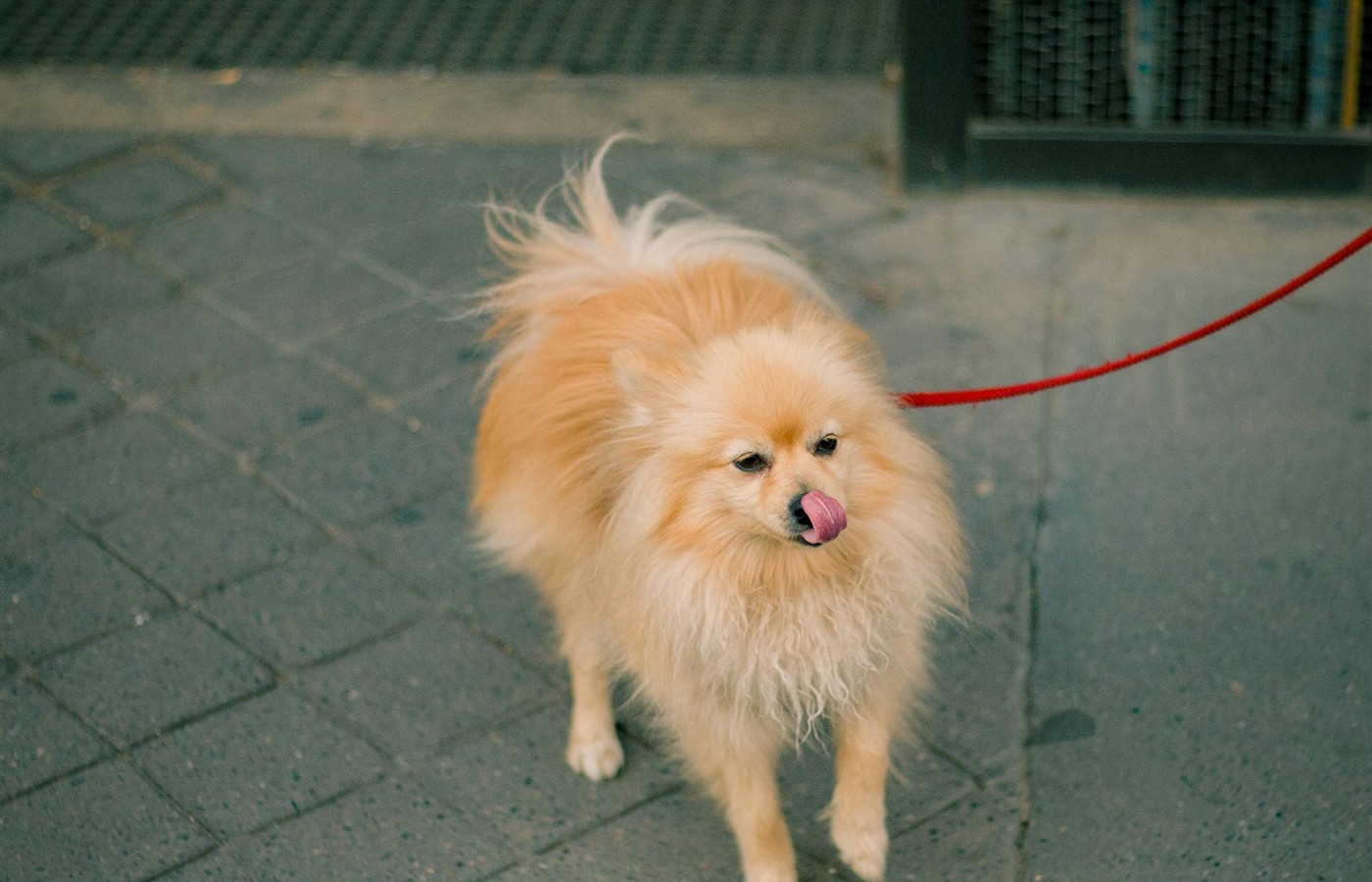
There is no single walk schedule that fits every dog. A young working breed, a senior dog with stiff joints, a tiny apartment dog, and a newly adopted rescue may all need different versions of the same basic routine. The better question is how often your dog needs chances to potty, move, sniff, learn, and settle afterward.
I would start with a flexible baseline and adjust from the dog in front of you. Walk frequency should protect health and behavior without turning every day into an endurance contest.
Separate potty trips from exercise walks
For the first week with a new dog, write down outdoor times instead of trusting memory. You may notice that the dog needs a quick trip after water, after naps, or after a certain evening hour. Those notes shape a kinder routine.
If accidents happen indoors, add a quick potty trip before lengthening exercise walks. Bathroom timing and exercise needs overlap, but solving the urgent need first makes the rest of the routine calmer.
Many owners count every outdoor trip as a walk, but dogs experience them differently. A potty trip may be five minutes near the yard or sidewalk. An exercise walk is longer and gives the dog time to move, sniff, and use energy. A dog may need several potty chances while only needing one or two real walks, especially in apartments or during house-training.
A walking schedule also needs enough separate toilet opportunities; two exercise walks are not a limit on bathroom breaks. One dog may need a brisk morning walk and a calm evening sniff walk. Another may need shorter trips because of heat, anxiety, or age. The schedule should reduce stress, not create a daily battle at the leash.
| Dog situation | Walking rhythm to consider |
|---|---|
| Puppy | More potty breaks, shorter walks |
| Healthy adult | Two or more outings with exercise |
| Senior dog | Gentler walks with rest |
| Nervous new dog | Quiet routes and predictable timing |
Use age, health, and breed energy as starting clues
A veterinarian can help if exercise tolerance is unclear. This matters for flat-faced breeds, overweight dogs, dogs recovering from surgery, and seniors. A cautious plan is not under-exercising; it is matching movement to the dog safely.
Energy also changes by season. A dog that walks happily in spring may struggle in summer heat or winter ice. Adjust time of day, surface, and distance instead of forcing the same route.
Puppies need frequent bathroom breaks and careful exercise. Their bodies are still developing, and their attention spans are short. A few gentle outings, play sessions, and training moments may be more useful than one long walk. Senior dogs may still love walks, but they may need slower pacing, softer surfaces, and shorter distances.
Breed energy matters, but it is not the whole story. Some dogs from active breeds are calm indoors. Some small dogs have plenty of stamina. Health conditions, weight, weather tolerance, and past experience all shape the plan. If your dog has pain, breathing issues, heart concerns, or sudden exercise changes, ask a veterinarian before increasing walk length.
A helpful early habit: write down how your dog behaves after walks. Calm rest, relaxed chewing, or easy sleep usually means the amount was useful. Limping, heavy exhaustion, frantic zooming, or refusing the next walk may mean the plan needs adjusting.
Let sniffing count as real activity
Sniff walks are especially useful on days when hard exercise is not possible. Rain, heat, ice, or a busy household may shorten distance, but a slow sensory walk can still give the dog something satisfying to do.
Letting a dog sniff does not mean letting the leash become chaotic. Stop in safe spots, give a release cue, and then move on. Structure makes sniffing feel like part of the walk.
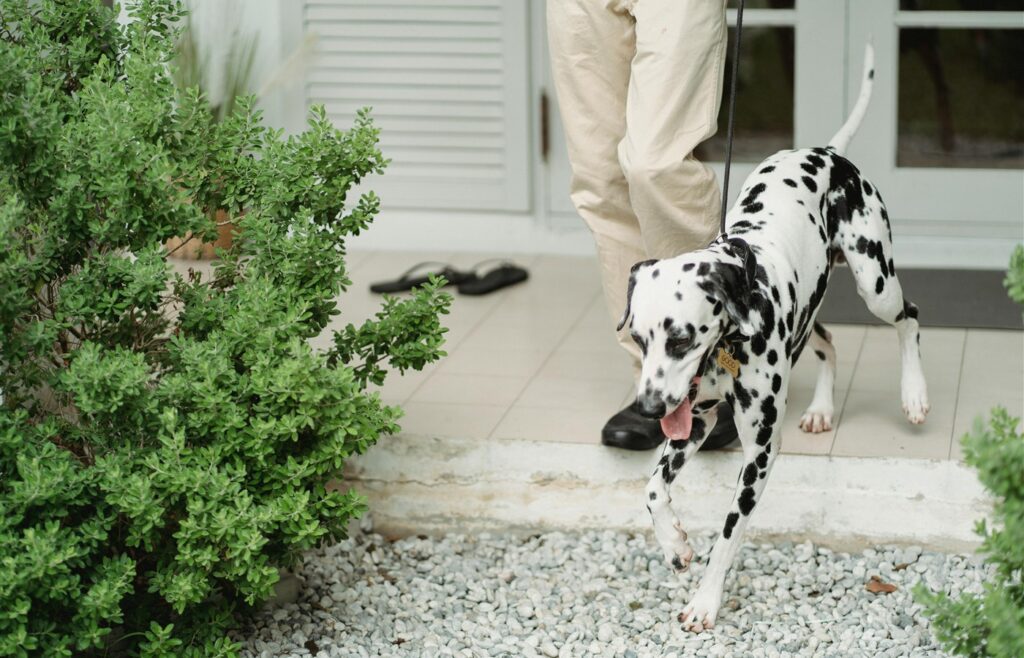
Some walks look slow to people but feel rich to dogs. Sniffing gives dogs information and mental stimulation. A twenty-minute sniff walk may leave a dog more satisfied than a rushed march around the block. This is especially true for dogs who spend much of the day indoors and need a chance to explore calmly.
Balance sniffing with polite leash movement. You can choose stretches where the dog is allowed to explore and other stretches where you practice walking beside you. Use a simple cue or change of pace to show the difference. That keeps the walk enjoyable without letting the dog pull toward every smell with full force.
- Allow sniff breaks in safe areas.
- Keep the leash loose when possible.
- Avoid hot pavement and sharp debris.
- Carry water on warm days or longer routes.
Watch behavior at home for signs of too little or too much
Behavior changes should be read with context. A dog who barks after every window sound may need more enrichment, but may also need rest, training, or a calmer environment. Walks help most when they are part of the whole routine.
If more activity makes behavior worse, the dog may be overstimulated rather than under-exercised. Try a quieter route, shorter outing, or more rest before assuming the dog needs harder exercise.
A dog who needs more activity may pace, bark at every small sound, chew inappropriate objects, paw for attention, or struggle to settle even after basic needs are met. Those signs can also come from anxiety, boredom, pain, or training gaps, so do not assume walking alone will fix everything. Still, a better outdoor routine often makes daily life calmer.
Too much walking can show up as soreness, lagging behind, lying down mid-walk, cracked paw pads, reluctance to go out, irritability, or sleeping in a way that seems more like collapse than rest. Young dogs and eager dogs may keep going because the world is exciting, not because their bodies are ready for more.
Change one part at a time. Add five or ten minutes, add one sniff outing, or move a walk to a cooler hour. If you change distance, pace, route, and training all at once, you will not know which change helped.
Build a routine your household can actually keep
Make the routine visible to everyone who handles the dog. A note on the fridge or shared phone note prevents accidental double-feeding, missed potty trips, and confusing walk expectations.
A backup plan helps on impossible days. A short potty loop plus indoor training, puzzle feeding, or gentle play can protect the routine when weather or work blocks a normal walk.
The ideal walking plan is the one your dog needs and your household can repeat. If mornings are rushed, a shorter morning potty walk plus a richer evening walk may be better than promising a long sunrise walk that rarely happens. If multiple people share care, write the plan down so the dog does not get three walks one day and almost none the next.
Keep gear ready near the door: leash, waste bags, harness, towel, and weather extras. Small friction makes people skip walks. A ready station makes the healthy choice easier when everyone is tired. For reactive or nervous dogs, choose predictable routes first and add variety slowly.
For the next adjustment, separate potty trips from exercise walks, add sniff time before distance, shorten the route when heat or soreness changes the day, and judge the walk by how the dog settles afterward.
A good walk leaves the dog safer, calmer, and easier to live with when you come back inside. That result is a better measure than distance alone.
Sources and further reading
- ASPCA dog care guidance: Further reading on this topic.

Keep this guide handy
Save this article for later. Read the guide above for the details and cautions.
Save to Pinterest (opens in a new tab)