
Pet-Safe Cleaning Products: What Beginners Should Know
Published Updated

By Silas Payao
Writer and editor focusing on clear steps for new dog and cat owners.
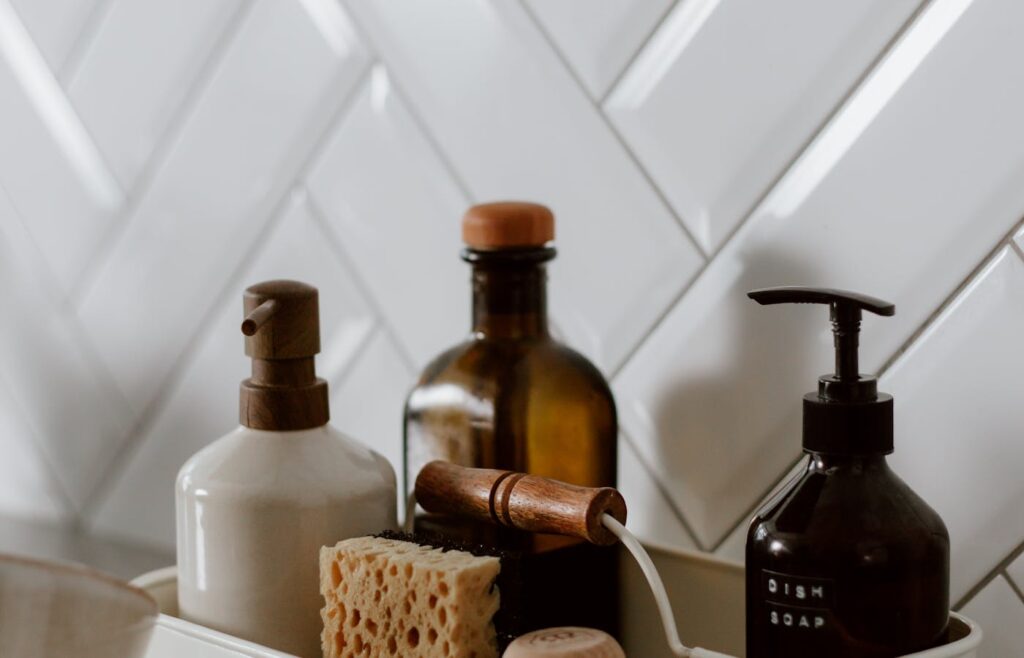
Cleaning feels different when a dog licks the floor, a cat jumps on the counter, or a curious pet follows every new smell in the house. A product can work well for a sink or tile surface and still be a poor fit for the way pets actually move through a room.
Choose cleaning products by their ingredients, label instructions and the pet’s access: the label is only part of the decision. You also need to think about residue, drying time, ventilation, storage, and whether your pet can reach the cleaned surface before it is truly ready.
I like a practical middle path here. You do not need to panic-clean with special products for every inch of the home, but you also should not assume every fresh smell means safe. A calmer routine usually protects pets better than a cabinet full of random sprays.
Separate marketing words from real cleaning safety
Many bottles use friendly language, but terms like natural, gentle, green, botanical, and family-safe do not automatically mean safe for dogs and cats. A pet may lick a cleaned floor, step through a damp spot, chew a cloth, or breathe a strong scent much closer to the surface than a person would. That changes how you judge a cleaner.
Begin with the actual use directions. Look for dilution instructions, surface limits, rinse steps, contact time, ventilation notes, and warnings about children or animals. If a product says pets should stay away until the surface is dry, treat that as a real rule, not a minor suggestion. Drying time matters because paws and tongues can pick up residue.
Also notice whether the product is a cleaner, disinfectant, deodorizer, enzyme cleaner, or polish. Those jobs are different. A disinfectant may need wet contact time to work, while a daily surface cleaner may be meant for light soil. Using the wrong product for the job can create stronger smells, more residue, and less predictable pet exposure.
The safest beginner habit is to buy fewer products and learn them well. One reliable floor cleaner, one simple dish or bowl cleaner, one laundry routine, and one pet-accident enzyme product are easier to manage than ten bottles with overlapping promises.
Choose products by surface and pet contact level
Not every surface has the same pet risk. A bathroom mirror rarely matters to a pet. A kitchen floor, food bowl area, crate tray, litter mat, sofa edge, or favorite sleeping spot matters much more. When choosing a product, ask how likely your pet is to walk on it, lie on it, lick it, or rub against it before and after cleaning.
Floors deserve extra caution because pets touch them constantly. A product that leaves a slick finish or strong fragrance can bother paws, noses, or stomachs if a pet licks residue. Counters matter if cats jump there or if pet food is prepared nearby. Fabrics matter because damp sprays can sit in fibers longer than expected.
| Area | Beginner priority | Safer routine |
|---|---|---|
| Floors | Low residue and full drying | Keep pets out until dry and rinse if the label requires it |
| Food bowls | No lingering cleaner taste | Use hot water and dish soap, then rinse thoroughly |
| Pet bedding | Skin and scent comfort | Use mild laundry products and dry fully before use |
| Accident spots | Odor source removal | Use an enzyme cleaner made for pet messes |
For beginners, the question is not whether a product sounds perfect. It is whether you can use it correctly in the room where your pet actually lives. That includes keeping doors closed, timing the cleaning, and making sure the surface is dry before normal access returns.
Be careful with strong scents and essential oils
Strong scent can make a clean room feel reassuring to people, but pets experience scent differently. Dogs investigate floors and corners with their noses. Cats groom their paws and coats after walking through a space. If a cleaner leaves a heavy fragrance, the room may smell clean while still feeling overwhelming to an animal.
Essential oils need special caution. Some oils and concentrated fragrance products can be risky around pets, especially cats, depending on the oil, concentration, exposure route, and ventilation. Beginners should avoid treating essential-oil smell as proof that a cleaner is safer. A plant-based ingredient can still irritate or harm a pet if used carelessly.
Unscented or lightly scented products are often easier to manage in pet areas. They make it simpler to notice whether odor is actually gone or just covered. If a litter area, dog bed, or accident spot still smells bad after cleaning, adding fragrance usually hides the problem instead of solving it.
Watch your pet after introducing a new cleaner. Sneezing, paw licking, avoiding a room, rubbing the face, drooling, coughing, vomiting, or sudden discomfort after exposure deserves attention. If symptoms seem serious or tied to a known chemical exposure, call a veterinarian or poison-control resource right away.
Handle pet bowls, toys, and food areas simply
Pet bowls do not need complicated cleaning products. In most everyday homes, hot water, dish soap, a clean sponge or brush, and a thorough rinse are the practical foundation. The goal is to remove food film, saliva, bacteria-friendly residue, and old smells without leaving cleaner taste behind.
Use a separate brush or sponge for pet bowls if that helps keep cleaning supplies organized. Wash water bowls daily, and wash and dry food bowls and utensils after each use, whether the food is wet or dry. Follow the bowl manufacturer’s material-care instructions and keep bowls dry between meals.
Toys are different by material. Hard rubber toys may tolerate washing better than plush toys with seams. Puzzle feeders can hide residue in corners. Rope toys can hold moisture. Before using any cleaner, check whether the toy can be rinsed fully and dried fully. If not, a simpler wash or replacement may be safer.
A useful pet-food cleaning routine includes:
- Rinse bowls thoroughly so no soap film remains.
- Dry storage scoops before putting them back into food containers.
- Clean the floor under bowls before sticky residue attracts pests.
- Replace cracked plastic bowls or toys that trap grime in damaged edges.
Store cleaners where pets cannot reach them
Storage is part of cleaning safety. A closed bottle on the floor, a bucket left in a hallway, a trash bag with used wipes, or a sponge with chemical residue can be more tempting than beginners expect. Pets do not need to understand a product to chew, lick, knock it over, or walk through it. If exposure is possible, call a veterinarian or animal poison service promptly and keep the product details available. Do not wait for a routine appointment.
Keep cleaning products in a closed cabinet, high shelf, locked utility area, or storage bin that pets cannot open. This matters even for products you consider mild. Concentrated cleaners, laundry pods, disinfecting wipes, toilet products, and sprays should never be treated as harmless because the bottle looks ordinary.
During cleaning, control access before you start. Put the dog in another room, close the cat out of the kitchen, or clean during a nap if that is calmer. Do not leave wet floors, open buckets, or sprayed surfaces unattended while you answer the door or start another chore. Most accidents happen during the messy middle of a task.
After cleaning, throw away used wipes, paper towels, gloves, and packaging where pets cannot investigate them. If a product spills, handle the spill as a pet-safety issue, not only as a household mess.
Use enzyme cleaners for pet accidents correctly
Pet accidents often need a different approach from ordinary dirt. Urine, vomit, and feces can leave odor compounds that encourage repeat accidents if they are not broken down well. Enzyme cleaners are made for this job, but they still need correct use. Spraying once and wiping immediately may not give the product enough time to work.
Blot wet mess first instead of scrubbing it wider. Then follow the product’s directions for saturation and contact time. Some enzyme cleaners need the area to stay damp for a while. Some are not meant for every fabric, rug, wood finish, or stone surface. Test discreetly when the surface matters.
Do not layer a strong disinfectant or perfumed cleaner over an enzyme product unless the directions allow it. Other chemicals can interfere with the enzyme action or add scent that confuses the real progress. If the area still smells after drying, repeat the enzyme process rather than masking it with fragrance.
Accidents can also be health or stress signals. Cleaning the spot is important, but repeated accidents, straining, blood, sudden litter box avoidance, diarrhea, vomiting, or behavior changes should not be treated as a cleaning problem alone. That is when a veterinarian’s guidance becomes part of the safety plan.
Build a repeatable pet-safe cleaning routine
A good routine keeps cleaning from becoming guesswork. Start with the rooms where pets spend the most time, then decide which products belong there and which ones do not. The more consistent the routine, the easier it is to notice when a product causes irritation, a surface stays slippery, or a smell keeps returning.
Use this simple reset when you bring a new cleaner into a pet home:
- Read the full label before using it near pet areas.
- Move pets out of the room before spraying, mopping, or disinfecting.
- Use the correct dilution and contact time instead of guessing.
- Rinse surfaces if the label calls for it, especially bowls or food areas.
- Wait until surfaces are fully dry before letting pets back in.
- Store the product and used supplies out of reach immediately.
For regular cleaning, keep a short list of products you trust and know how to use. Write the pet rules on the bottle with tape if needed: keep pets out, rinse bowls, dry floor, ventilate room, or do not use near bedding. Small reminders prevent tired mistakes.
Pet-safe cleaning is not about making the house sterile. It is about matching the product, surface, and timing to real pet behavior. When you reduce residue, avoid heavy scent, store bottles well, and let surfaces dry, cleaning becomes easier to trust for both you and the animals living on the floor.
Sources and further reading
- ASPCA household product guidance: Cleaning products, label instructions and suspected exposure.
- FDA pet food hygiene: Food bowls after each use and water bowls daily.

Keep this guide handy
Save this article for later. Read the guide above for the details and cautions.
Save to Pinterest (opens in a new tab)