
How to Create a Pet Feeding Schedule
Published Updated

Writer and editor focusing on everyday care and life with a new dog or cat.
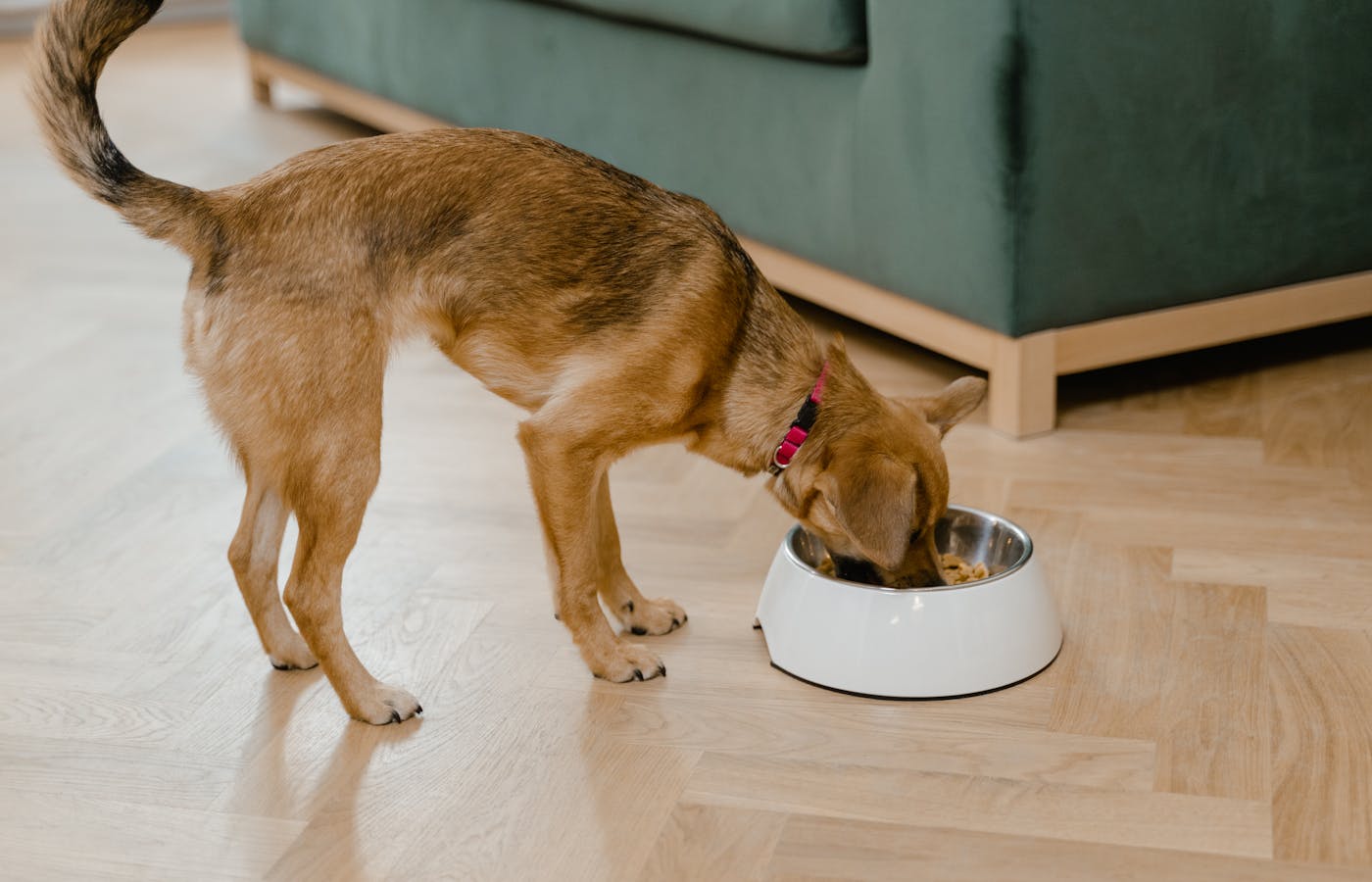
A pet feeding schedule sounds simple until daily life gets busy. Breakfast runs late, dinner moves around, treats sneak in, and suddenly it is hard to know whether your pet is eating the right amount or just eating at random times. A clear routine makes feeding calmer for the animal and easier for the person caring for them.
Learning how to create a pet feeding schedule is not about making every day rigid. It is about choosing meal times, portions, water checks, and treat rules that are steady enough to notice changes. I like schedules that are easy to repeat because consistency helps you see appetite changes sooner.
The schedule should support your pet’s health, your household rhythm, and your veterinarian’s advice. If those three pieces line up, feeding becomes less guesswork and more care.
Start the pet feeding schedule with your pet’s life stage
Age changes the feeding plan before anything else. Puppies and kittens usually need more frequent meals than healthy adult pets because they are growing and have smaller stomachs. Senior pets may need different calories, textures, or timing depending on health, teeth, activity level, and veterinary guidance.
Begin by identifying whether your pet is a puppy, kitten, adult, senior, pregnant, nursing, underweight, overweight, or managing a diagnosed condition. Those details matter more than copying another owner’s routine. Two pets can live in the same home and still need different meal timing or portion sizes.
If your pet has diabetes, kidney disease, allergies, digestive issues, obesity, or a history of not eating well, ask a veterinarian before changing the schedule. Feeding changes can affect medication timing, appetite, weight, and comfort. A basic schedule is useful, but medical needs come first.
Choose pet meal times that you can repeat
A feeding schedule should fit the real day, not the ideal day. Choose times when someone is usually home, awake, and able to notice whether the pet eats normally. For many adult pets, morning and evening meals are easier to repeat than a complicated plan with several shifting times.
Try to keep the timing within a reasonable window. Pets do not need a stopwatch routine, but a meal that happens at 7 a.m. one day and noon the next can make appetite, bathroom habits, and begging harder to understand. A steady rhythm also helps multiple family members know what has already been done.
For busy homes, write the feeding times somewhere visible or use a shared reminder. The goal is to avoid double-feeding, skipped meals, and treat-heavy afternoons that replace balanced food.
Measure pet food portions instead of guessing
Portion size is where many feeding schedules quietly drift. A scoop that looks normal can change from person to person, and an overfilled cup can add extra calories every day. Use the food label and your veterinarian’s advice as a starting point, then measure with an actual cup or kitchen scale if you have one.
Remember that package feeding guides are estimates, not personal prescriptions. Your pet’s ideal amount depends on age, weight, body condition, activity level, neuter status, treats, and health. If weight is changing unexpectedly, the schedule may need adjustment even if you are following the label.
Do not adjust portions sharply without a reason. Small, planned changes are easier to track than sudden changes that make appetite and digestion harder to read.
Build water and bowl cleaning into the feeding routine
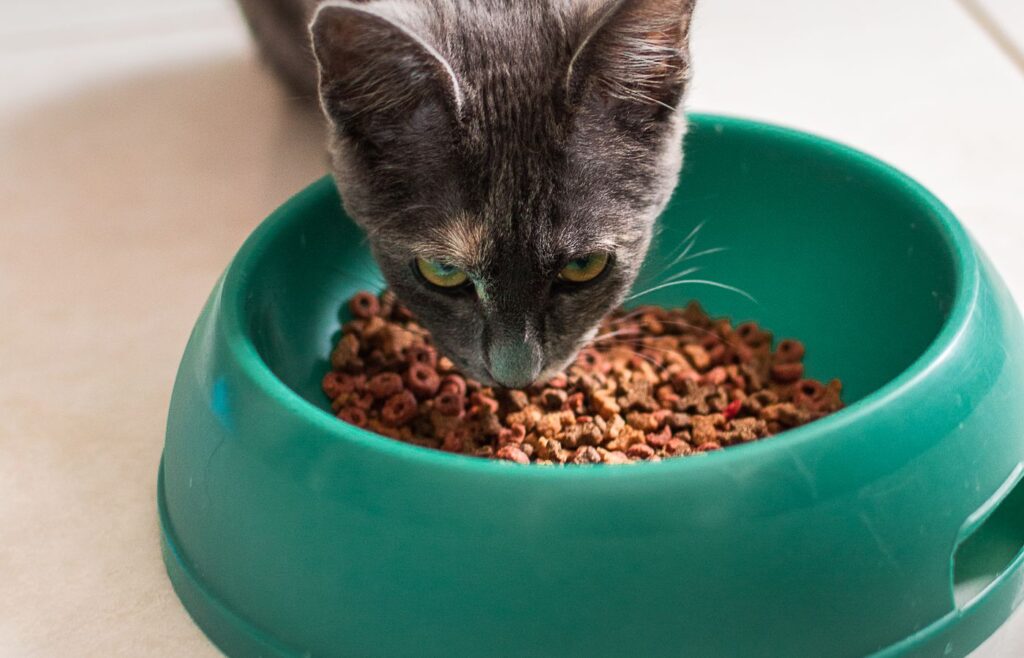
Food timing gets most of the attention, but water and clean bowls belong in the same routine. Fresh water should be easy to reach throughout the day. Some pets drink more from a bowl in a quiet spot, while others prefer a fountain or a bowl away from food. The best location is the one your pet actually uses.
Wash and dry food bowls and utensils after each use, and wash water bowls daily, especially if you feed wet food or notice slime, crumbs, or hair. A clean bowl does not need to be fancy. It just needs to be part of the schedule so feeding does not become only about filling the dish. To keep that basic care step from slipping, a first-time pet-care checklist can make bowl cleaning a repeatable part of the week.
Water intake can also show changes in health. Drinking much more or much less than usual is worth noticing. The schedule gives you a baseline, which makes those changes easier to spot and discuss with a veterinarian.
Plan treats so they do not replace balanced meals
Treats can be helpful for training, bonding, and enrichment, but they should have a place in the schedule. When treats are random, it becomes hard to know how much the pet actually ate. Treats can also make regular meals less appealing if they are richer, tastier, or given too often.
Decide when treats happen and who gives them. If several people share pet care, agree on a daily limit. Training treats should be small enough that they do not quietly become a full extra meal. If you use food puzzles, count that food as part of the day’s amount instead of adding it on top. Feeding times are easier to maintain when a daily dog routine gives the dog a predictable rhythm around meals, walks, and rest.
A feeding schedule is easier to trust when every meal, treat, and food puzzle belongs to the same daily plan.
Use the pet feeding schedule to notice changes
A schedule is not only about control. It helps you notice what is normal. If your pet usually finishes breakfast quickly and suddenly walks away, that information matters. If a pet starts begging constantly, leaving food behind, vomiting after meals, or guarding the bowl, the routine gives you a clearer picture of what changed.
Track simple details for a week when starting or changing a schedule. Write down meal times, portion sizes, appetite, stool changes, vomiting, treats, and unusual behavior. You do not need a complicated journal. A few notes can help you explain the pattern if you need professional advice.
- Notice whether meals are finished, ignored, or picked at slowly.
- Watch for sudden changes in thirst or bathroom habits.
- Keep treat amounts consistent enough to remember.
- Record new foods, toppers, or diet changes.
- Call a veterinarian if appetite changes are sudden or worrying.
Adjust feeding for multiple pets in the same home
Multiple pets make feeding schedules more complicated because each animal may eat at a different speed, need different food, or try to steal from another bowl. Feeding everyone in one open area can work for some calm pets, but it can also hide overeating, under-eating, or stress.
Separate meals if one pet guards food, eats too fast, loses weight, gains weight, or needs a special diet. Separate rooms, gates, crates, feeding mats, or supervised meal times can help. Cats may need elevated or quiet feeding spots if a dog keeps interrupting them.
Pick up bowls after a reasonable meal window if your veterinarian agrees and your pet’s needs allow it. Free-feeding can work in some cases, but scheduled meals make it easier to know who ate what in a multi-pet home.
Review the pet feeding schedule after two weeks
The first schedule is a starting point. After one or two weeks, look at what actually happened. Were meals easy to give on time? Did anyone forget a feeding? Did treats get counted? Did your pet seem settled, hungry, picky, or uncomfortable? A schedule that looks good on paper may still need small changes.
Make one adjustment at a time. Move a meal slightly, change where the bowl sits, measure portions more carefully, or separate pets during meals. Changing several things at once makes it harder to know what helped. If your pet has health concerns, bring your notes to the veterinarian instead of guessing alone.
- Choose realistic meal times.
- Measure the starting portion.
- Keep water checks with the food routine.
- Count treats and food puzzles.
- Review appetite, weight, and behavior after two weeks.
Creating a pet feeding schedule is really about making care easier to repeat and easier to observe. When meals, portions, treats, water, and cleanup have a rhythm, you can spend less energy wondering what happened and more attention noticing how your pet is doing.
Sources and further reading
- FelineVMA cat feeding guidance: Cat meal planning and separate feeding stations.
- ASPCA dog care guidance: Dog feeding needs vary with age.
- FDA pet food hygiene: Bowl cleaning and safe storage.

Keep this guide handy
Save this article for later. Read the guide above for the details and cautions.
Save to Pinterest (opens in a new tab)