
How to Read Dog Body Language as a Beginner
Published Updated

By Silas Payao
Writer and editor focusing on clear steps for new dog and cat owners.
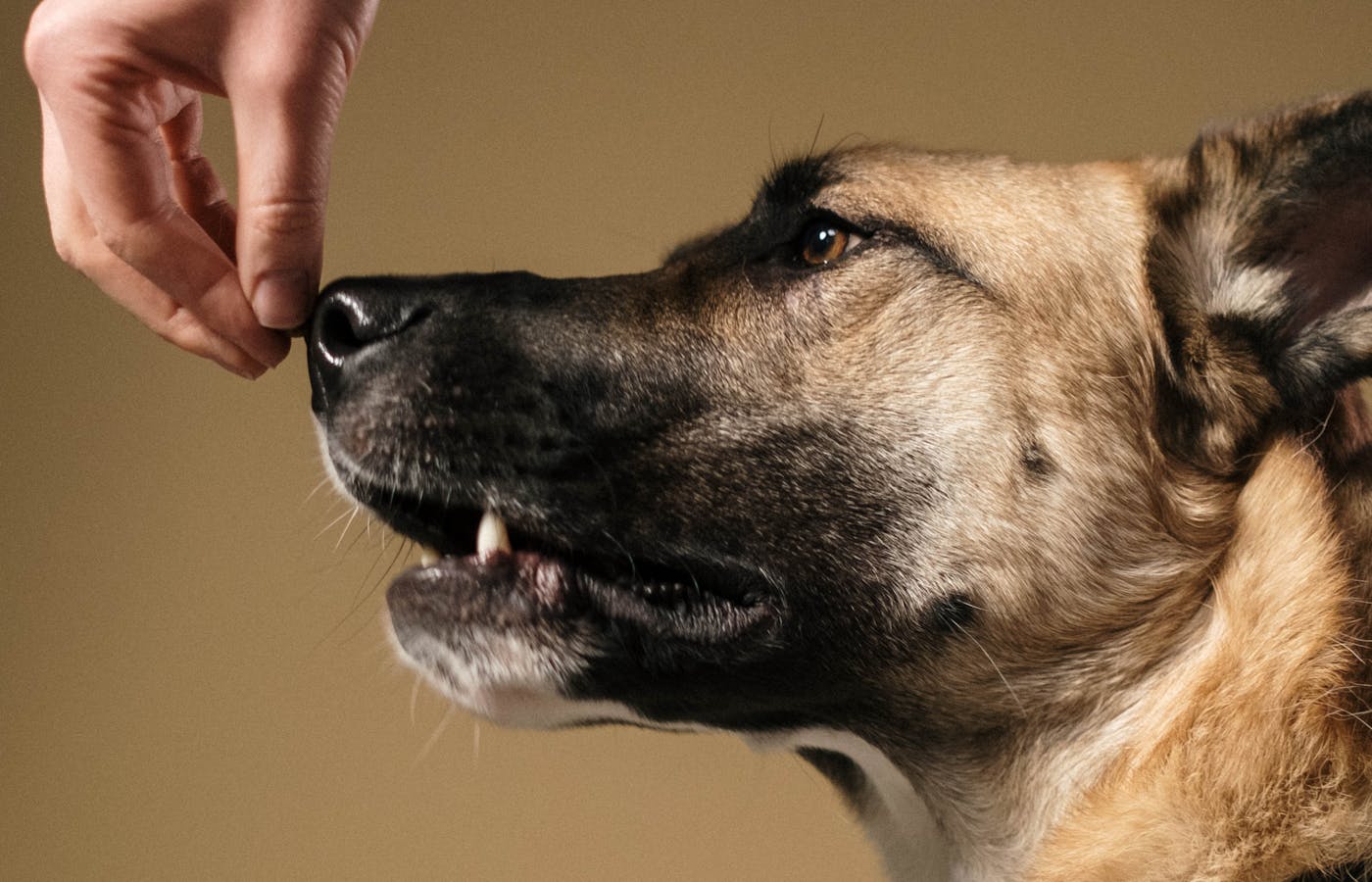
Dogs talk all day, but most of their communication is quiet. A turn of the head, a pause before taking a treat, a loose body, a tucked tail, or a closed mouth can say more than barking. For a new owner, those signals can feel confusing at first.
Learning dog body language for beginners is less about memorizing one perfect chart and more about noticing patterns. One signal by itself can mislead you. A wagging tail, for example, does not always mean a dog wants contact. The whole body matters.
Start with the full picture before reacting. Look at posture, face, movement, distance, and the situation around the dog.
This is especially helpful with a new dog, because you are still learning what normal looks like for that individual. Some dogs are naturally bouncy, some are quiet, and some need more time before they show relaxed behavior around people.
Read dog body language through the whole body
A beginner mistake is focusing on one dramatic signal while missing everything else. A dog may wag while leaning away, lick their lips while standing still, or lower their head while staring hard. Each detail matters, but the combination tells the clearer story.
Before deciding what a dog feels, scan from nose to tail. Notice whether the body is loose or stiff, whether the dog is moving toward something or away from it, and whether the behavior changes when you step closer. A relaxed dog usually looks soft and flexible, not frozen.
Context matters too. A dog at home, at the vet, near food, near another dog, or meeting a stranger may show different signals. Reading body language gets easier when you ask what changed right before the behavior appeared.
Notice loose posture versus stiff posture
Loose posture is one of the clearest signs that a dog is comfortable. The body may curve naturally, the tail may move with the hips, and the dog may shift weight easily. A relaxed dog can still be alert, but the muscles do not look locked.
Stiff posture deserves more care. A dog that freezes, leans forward, stands tall, lowers the head while staring, or holds the body tight may be unsure, frustrated, guarding something, or preparing to move away. Stiff does not always mean aggressive, but it does mean slow down.
If you are unsure, give the dog space instead of testing the reaction. Space is one of the kindest tools a beginner can use because it lets the dog choose whether to re-engage.
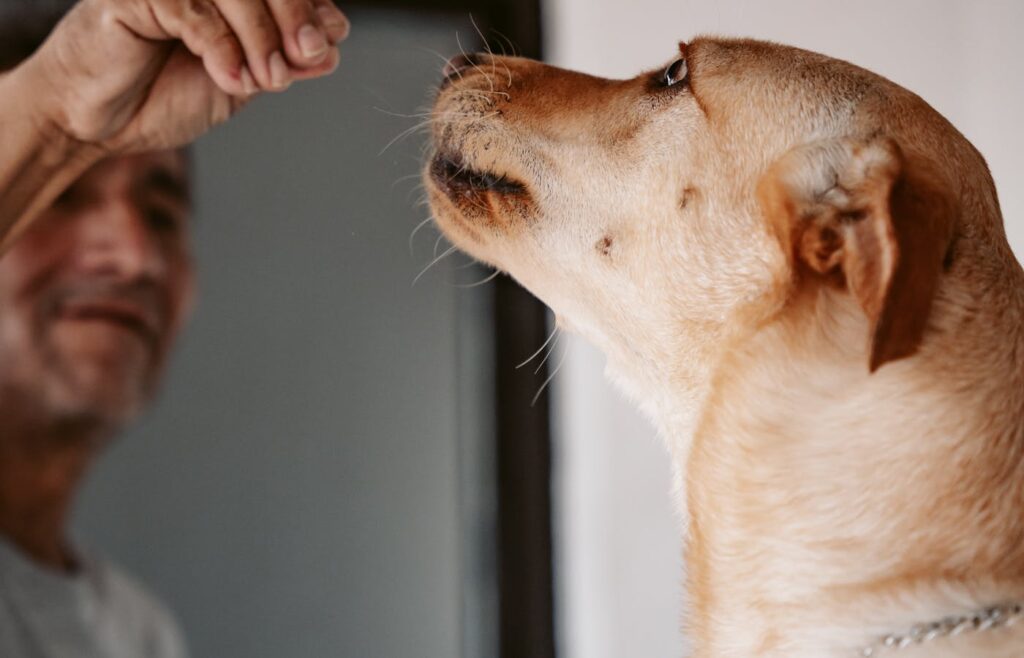
Watch the eyes without staring back
Dog eyes can show comfort, curiosity, worry, or tension. Soft eyes often look gently shaped, with normal blinking and relaxed facial muscles. Hard eyes may look fixed, wide, or intense. You may also see the whites of the eyes when a dog turns their head away but keeps watching something.
Do not stare directly into a nervous dog’s eyes to prove confidence. For many dogs, direct staring can feel like pressure. Instead, use your side vision, soften your own body, and turn slightly away if the dog seems uncertain.
Eyes should be read with the rest of the body. A dog with bright eyes and a loose wiggle is very different from a dog with wide eyes, a closed mouth, and stiff legs.
Lighting, camera angles, and coat markings can make eyes harder to judge in photos, but real life gives you movement. Watch whether the dog’s face softens after a pause or becomes tighter as the interaction continues.
Use ears and tail as clues, not final answers
Ears and tails are useful clues, but they vary by breed, shape, and individual dog. Some dogs have naturally floppy ears, curled tails, short tails, or facial features that make signals harder to read. That is why ears and tail should support your read, not replace it.
Forward ears can mean interest, alertness, or tension depending on posture. Ears pulled back can mean friendliness, worry, appeasement, or stress. A high stiff tail can signal arousal or confidence, while a low tucked tail can signal fear or discomfort.
Tail wagging also has different meanings. A loose, sweeping wag with a relaxed body often feels friendly. A fast, tight wag with a stiff body needs more caution.
When ears and tail seem mixed, trust the calmer choice: pause, create space, and let the dog decide what happens next. You do not need to label the signal perfectly in the moment to respond kindly.
Pay attention to mouth, licking, and yawning
A relaxed mouth may be slightly open, with a soft face and easy breathing. A tightly closed mouth, sudden lip licking, repeated yawning, or quick tongue flicks can show that a dog is processing stress or uncertainty. These signals are easy to miss because they can look small.
Some dogs lick their lips because food is nearby, and some yawn because they are tired. Again, context matters. If lip licking starts when a child hugs the dog, when a stranger reaches down, or when another dog comes close, treat it as information.
Small stress signals are useful because they appear before bigger reactions. When you notice them early, you can pause, create distance, or change the interaction before the dog feels pushed.
A dog that whispers discomfort first should not have to shout later.
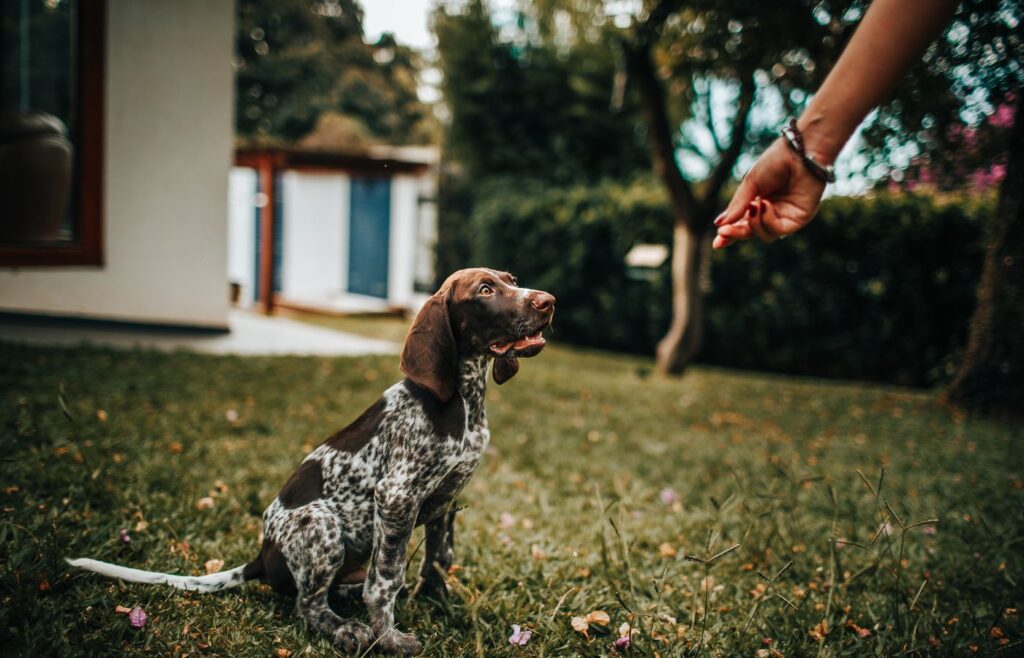
Look for approach and avoidance signals
Dogs often show what they want by how they manage distance. A dog that curves toward you with a loose body may be interested in greeting. A dog that turns away, steps back, hides behind a person, sniffs the ground suddenly, or moves to the side may be asking for less pressure.
Let the dog approach instead of leaning over them. Offer a hand low and still only if the dog seems interested, then pause. If the dog sniffs and walks away, that is a complete answer. Following, reaching, or crowding can turn a polite no into a stronger warning.
For new owners, the safest habit is to reward voluntary approach and respect voluntary retreat. Trust grows faster when the dog learns that moving away works.
Build a beginner dog body language routine at home
A simple routine is enough for most beginners. Pick ordinary moments: before meals, during play, when guests arrive, during grooming, and when the dog is resting. Notice what relaxed looks like for your specific dog, because that becomes your baseline.
Write down patterns if a behavior worries you. Note what happened before, what the dog did, and what helped them calm down. If signals include repeated growling, snapping, hiding, sudden behavior changes, pain signs, or fear that is getting worse, contact a veterinarian or qualified behavior professional.
- Look at the whole body before judging one signal.
- Treat stiffness as a reason to slow down.
- Read tail and ears together with posture.
- Respect turning away, backing up, or hiding.
- Watch for small stress signs before they escalate.
- Pause before approaching the dog.
- Scan posture, face, tail, and movement.
- Notice what changed in the environment.
- Give space if the dog looks tense.
- Reward calm voluntary contact.
Dog body language for beginners becomes easier when you stop looking for one magic sign. Watch the whole dog, respect early discomfort, and let everyday patterns teach you what comfort and stress look like in the dog in front of you.
Sources and further reading
- AVMA dog bite prevention: Dog signals and avoiding uncomfortable interactions.

Keep this guide handy
Save this article for later. Read the guide above for the details and cautions.
Save to Pinterest (opens in a new tab)