
How to Keep Pets Safe During Holidays
Published Updated

By Silas Payao
Writer and editor focusing on clear steps for new dog and cat owners.
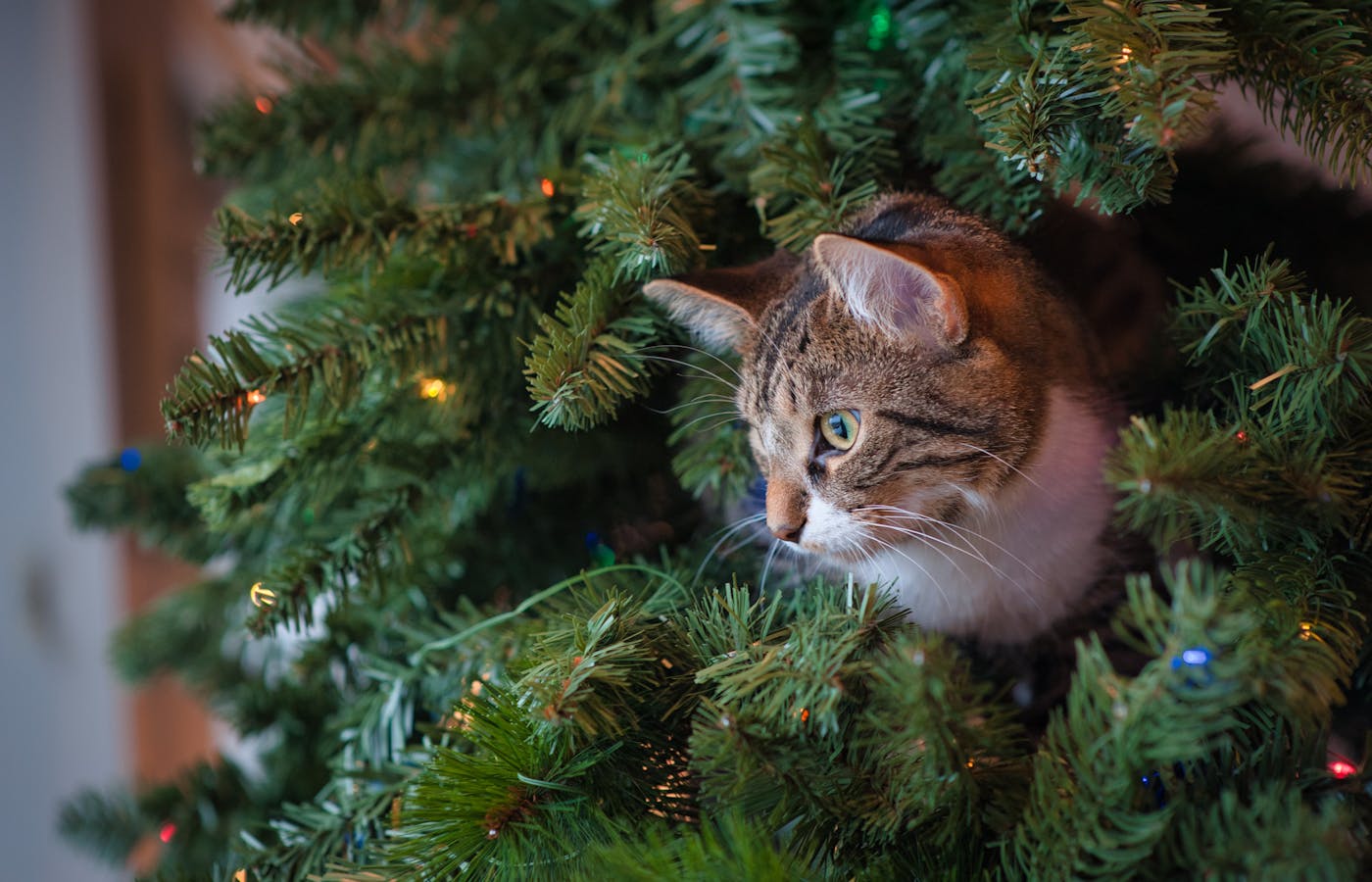
Holidays can change a calm home very quickly. Food appears on low tables, guests come through the door, bags sit on the floor, decorations move into pet-level spaces, and normal quiet hours may turn into music, fireworks, or extra children running through the house. Dogs and cats do not always understand that these changes are temporary.
Learning how to keep pets safe during holidays is mostly about planning before the busy part starts. The goal is not to hide every celebration. The goal is to make the home predictable enough that pets can eat, rest, move, and avoid hazards while people enjoy the day.
Plan a holiday pet safety setup before guests arrive
The safest holiday routine begins before the doorbell rings. Choose which rooms pets can use, where food will be served, where bags and coats will go, and how the front door will be handled. If those decisions happen after guests arrive, people tend to improvise, and pets are usually the ones moving through the confusion.
Create one calm pet area before the house gets loud. This can be a bedroom, office, laundry room, crate area, or gated corner the pet already accepts. Add water, familiar bedding, a safe toy, and litter or potty access if needed. The room should not be full of gift bags, candles, cords, loose ribbon, or plates of food.
Tell guests the rule in plain language. A short sentence works better than a long explanation: the dog stays behind the gate during arrivals, the cat room stays closed, or no one feeds pets from the table. People are often happy to help when the rule is easy to follow.
Also decide who is responsible for checking pets during the event. If everyone assumes someone else is watching the dog, a door can stay open too long or a plate can land within reach. One assigned person lowers that risk.
Keep holiday food away from dogs and cats
Holiday food is one of the easiest risks to miss because people see it as a treat, not a hazard. Rich sauces, cooked bones, chocolate desserts, alcohol, grapes, raisins, onions, garlic, and fatty scraps can cause serious trouble for pets. Even foods that are not toxic can upset a stomach when a pet eats too much or eats something unfamiliar.
Set food rules before serving starts. Keep serving dishes toward the center of tables, move plates away from sofa edges, and clear leftovers before pets can investigate. If children are eating on the floor or walking around with snacks, keep pets separated until the food is gone. A polite dog can become very quick when dropped food appears.
Trash needs attention too. Bones, wrappers, string, foil, food-soaked napkins, and dessert packaging can smell tempting long after the meal. Use a lidded bin, move trash behind a closed door, and take full bags out before they become a pet project. Before guests arrive or food is served, a pet safety checklist keeps these holiday hazards from being missed.
| Holiday item | Safer habit |
|---|---|
| Dinner plates | Clear them before pets return to shared rooms |
| Dessert table | Keep chocolate and sweets away from pet reach |
| Guest bags | Store them in a closed room or high area |
| Trash bags | Use a lidded bin and remove full bags promptly |
Protect pets from decorations, candles, and cords
Decorations change the map of the house. A cat may climb a tree that was not there yesterday. A puppy may chew ribbon, lights, pine needles, ornament hooks, or soft decorations. A senior pet may bump into a new display in a hallway. Before the holiday begins, look at decorations from pet height, not adult eye level.
Secure trees, wreaths, and tall displays so they do not tip easily. Place fragile ornaments higher, avoid dangling strings near the bottom, and keep hooks, batteries, and small pieces out of reach. If a pet is drawn to one decoration repeatedly, move the decoration instead of waiting for the pet to lose interest.
A decoration that attracts repeated pawing, chewing, or climbing is no longer just decoration for that pet. Move it, secure it, or give the pet a calmer alternative; the same thinking applies when you create a quiet space during busy holiday moments.
Candles and cords deserve their own check. A wagging tail, jumping cat, or curious nose can knock over a candle or pull a light strand. Use flameless candles when possible, hide or cover cords, and unplug decorative lights when pets are unsupervised. The safest decoration is one that still looks good after you remove the parts a pet can chew, swat, or drag.
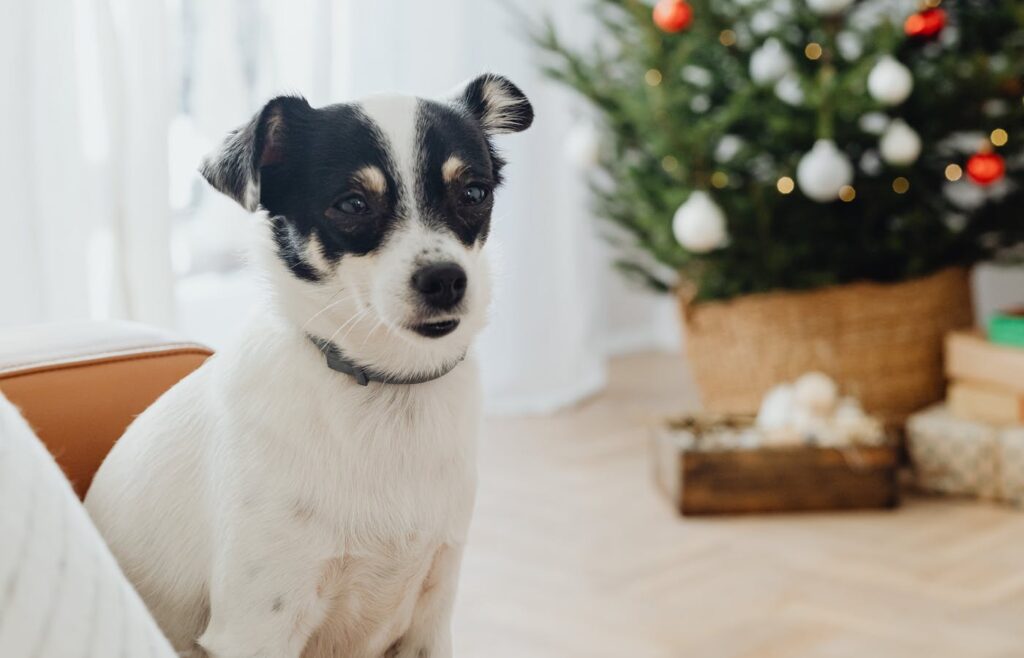
Do not forget plants and seasonal arrangements. Some flowers, leaves, berries, and water in plant containers can be unsafe for pets. If you are not sure whether a plant is safe, keep it out of reach or out of the pet areas entirely.
Manage doors, visitors, and pet identification
Holiday doors open often. Guests arrive, delivery people knock, children run in and out, and someone may leave a gate unlatched while carrying bags. Pets that normally stay indoors can slip out when the room is crowded and attention is split. Door safety should be treated as a planned part of hosting.
Use a two-barrier system for pets that rush doors. That may mean a closed room plus the front door, a baby gate plus the entry door, or a leash during arrivals. If guests are staying overnight, show them which doors and gates must stay closed. A visitor may not know that a small balcony gap or garage door is a real escape risk.
Identification should be current before the event, not after a pet slips outside. Check collar tags, microchip contact details, and recent photos. Indoor cats and quiet older dogs still need identification during holidays because unusual traffic creates unusual chances for escape.
- Confirm where each pet is before opening the main door.
- Keep collars and ID tags on when guests are present.
- Use gates, leashes, crates, or closed rooms during arrivals.
- Ask guests not to prop doors open without checking first.
- Watch garage, patio, balcony, and backyard access points.
Reduce stress from noise, fireworks, and schedule changes
Some pets enjoy visitors. Others become tense when the house sounds different. Fireworks, loud music, cheering, kitchen noise, children, and unfamiliar voices can make a pet hide, bark, pace, shake, scratch, or refuse food. Safety includes stress because anxious pets may make choices they normally would not make.
Set up the quiet area before noise begins. Close curtains, lower bright lights, add familiar bedding, and keep water available. A fan or steady household sound may soften outside noise for some pets. Keep the room comfortable and boring rather than turning it into another party space.
Follow the pet’s usual schedule where possible. Feed close to normal meal times, offer bathroom breaks before guests arrive, and avoid forcing greetings. If a pet wants distance, distance is a useful safety tool. Guests do not need to pet the cat under the bed or wake a sleeping dog to say hello.
If your pet has a history of intense fear around fireworks or holiday noise, talk with a veterinarian before the next major event. A plan made ahead of time is calmer than trying to solve panic while the sound is already happening.
Use a simple holiday checklist before the celebration starts
A checklist keeps holiday pet safety from depending on memory. It also helps when more than one person is preparing the house. The steps should be practical enough to finish before guests arrive, food is served, or decorations are plugged in.
Use this routine on the day of the event:
- Set the pet’s quiet room, crate, or gated area first.
- Move guest bags, coats, food, plants, and trash out of pet reach.
- Check decorations for cords, hooks, ribbon, candles, and loose pieces.
- Confirm collars, ID tags, and closed doors before arrivals begin.
- Tell guests the feeding and door rules in one clear sentence.
- Check pets during the event for water, stress signs, and bathroom needs.
- Clear plates and trash before pets return to shared rooms.
After the celebration, do one final scan before relaxing. Look for dropped food, broken ornaments, loose wrapping, open doors, empty water bowls, or pets acting unusually quiet. A calm cleanup is part of the safety plan because many holiday accidents happen after people think the busy part is over.
Holidays are easier on pets when the house still has a few predictable rules. Keep food controlled, decorations secured, doors watched, guests informed, and quiet space available. That gives dogs and cats a safer way to move through the celebration without turning the day into constant supervision.
Sources and further reading
- ASPCA household product guidance: Further reading on this topic.

Keep this guide handy
Save this article for later. Read the guide above for the details and cautions.
Save to Pinterest (opens in a new tab)