How to Make a Cat Carrier Less Scary
Published Updated

Writer and editor focusing on everyday care and life with a new dog or cat.
For many cats, the carrier appears only when something stressful is about to happen. It comes out of storage, smells unfamiliar, gets placed on the floor, and suddenly the cat is expected to walk inside before a car ride or vet visit. That pattern teaches the cat that the carrier predicts trouble.
Learning how to make a cat carrier less scary is about changing that pattern before the next urgent trip. The carrier can become part of normal home territory instead of a strange box that arrives at the worst possible moment.
The goal is not to force a cat to love travel. The goal is to make the carrier familiar, predictable, and easier to enter with less panic.
Stop storing the carrier like a rare emergency object
The biggest carrier mistake is hiding it until the day it is needed. Cats notice sudden changes. A carrier pulled from a closet, bumped through a hallway, and placed in the middle of the room can feel like a trap before the door is even open.
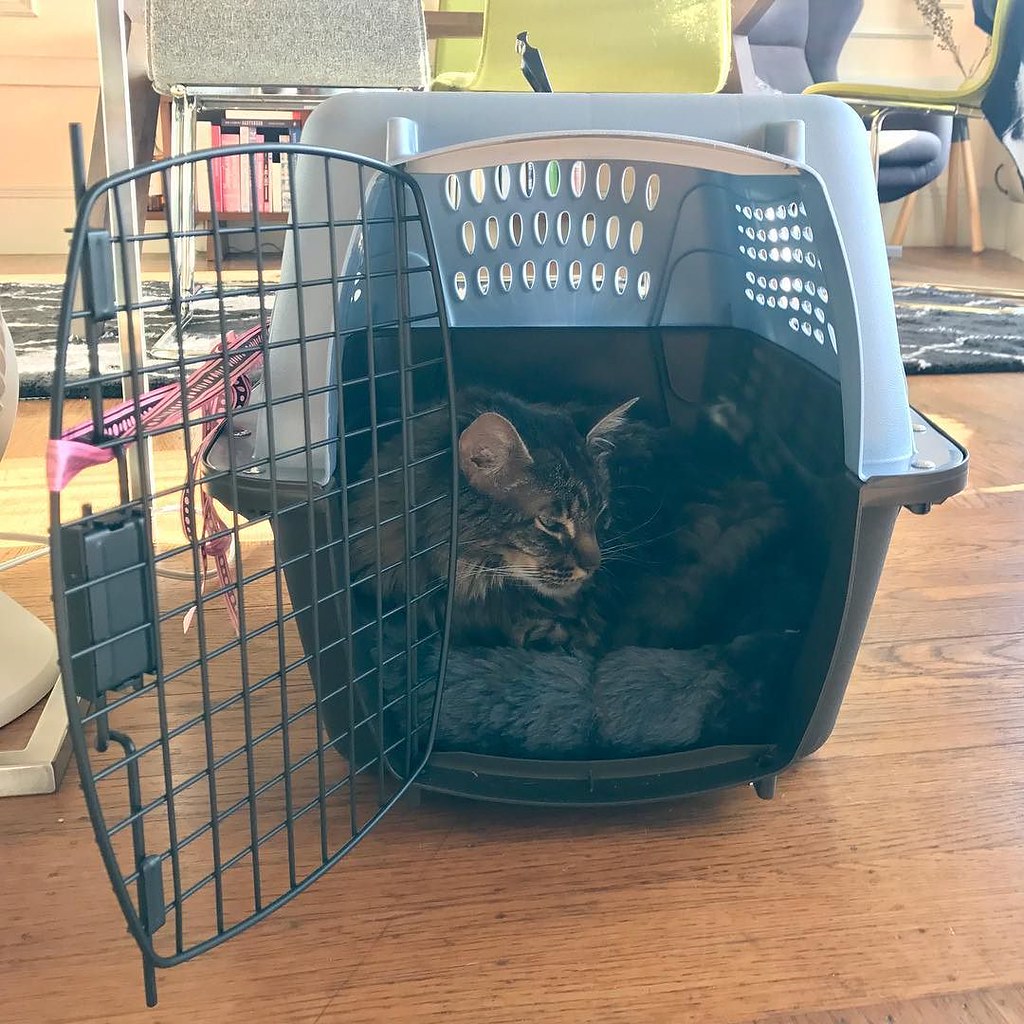
Leave the carrier out for ordinary days if space allows. Put it in a quiet corner, near a familiar resting area, or beside a wall rather than in the center of a busy room. Remove or open the door if the design allows it safely. Add a soft towel or blanket that already smells like home.
At first, do not ask the cat to enter. Let the carrier become furniture. A cat may sniff it, walk past it, sit near it, or ignore it for days. That is still progress because the carrier is no longer appearing only before stressful handling.
The carrier becomes less suspicious when it stops acting like a surprise. If the cat can see it every day without anything bad happening, the emotional charge around it starts to soften.
If the cat is very cautious, start with the top half removed if the carrier allows it, or place the open carrier near a favorite blanket without moving it again for several days. Stillness matters. A carrier that stays in one predictable place is easier to investigate than one that keeps appearing in new locations.
Make the inside of the carrier feel familiar and steady
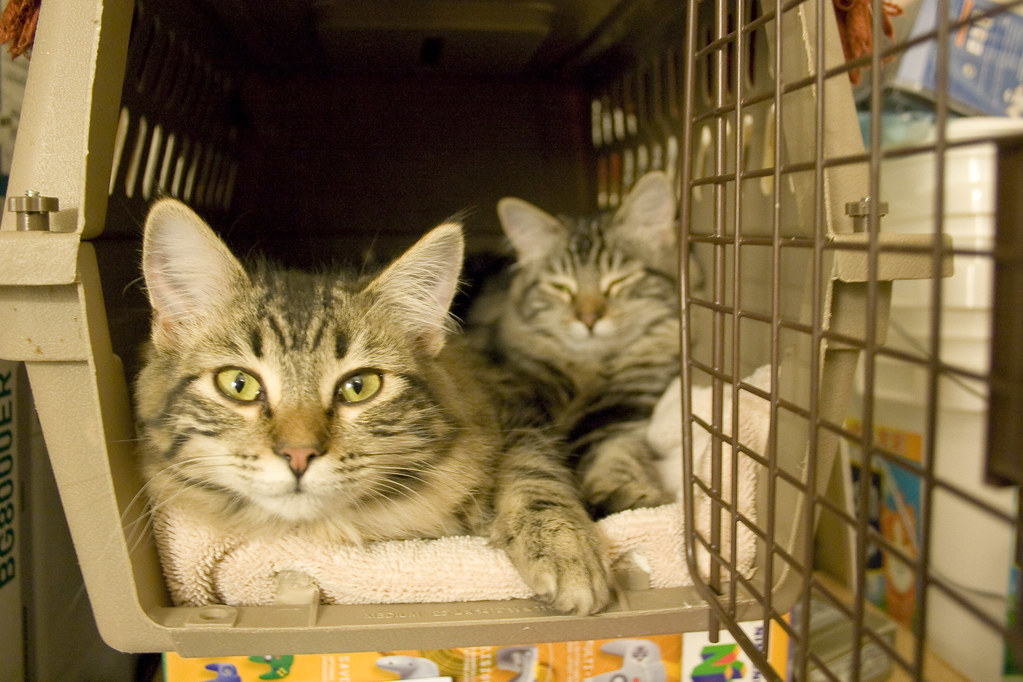
A carrier should feel stable, not slippery or hollow. Many cats dislike stepping into a plastic shell that shifts, echoes, or smells like storage. A towel, small blanket, or washable mat can make the inside easier to stand on and more familiar to smell.
Use scent carefully. A blanket from the cat’s favorite resting spot can help, but avoid strong perfumes, harsh cleaners, or new laundry scents right before training. Cats rely heavily on smell, and a carrier that smells sharp or unfamiliar may undo your progress. The carrier should feel like part of the same calm environment you build when you create a quiet space.
Check the carrier itself too. The bottom should not flex dramatically when lifted. The door should close smoothly. The openings should allow enough air. The cat should be able to turn around, but the carrier should not be so large that the cat slides during movement.
| Carrier detail | Better choice | Why it helps |
|---|---|---|
| Floor | Non-slip towel or mat | Gives paws a steadier surface |
| Scent | Familiar bedding | Makes the space smell like home |
| Door | Smooth latch and quiet movement | Reduces startling sounds |
| Placement | Wall or quiet corner | Feels less exposed than open floor |
Comfort details do not solve everything, but they remove avoidable reasons for the cat to distrust the carrier.
Use food rewards without rushing the door
Food can help a carrier feel less threatening, but timing matters. Tossing a treat inside and immediately closing the door teaches the cat that treats are a trick. Start with rewards near the carrier, then at the entrance, then just inside, and only later toward the back. Slow, predictable practice is especially useful before travel, guests, or keeping pets safe during holidays.
Use tiny treats, pieces of regular food, or a small meal if the cat is motivated by food. If the cat is not food-motivated, try a favorite toy, a soft blanket, catnip, or calm praise. The reward should match the cat, not the owner’s wish.
Keep early sessions short. A few calm seconds are better than a long session that ends with the cat backing away. If the cat puts two paws inside and leaves, let that count. Confidence grows when the cat can enter and exit without being grabbed.
Useful reward steps include:
- Place one treat beside the carrier and walk away.
- Place one treat at the open entrance.
- Put a small treat just inside the front edge.
- Move treats deeper only when the cat stays relaxed.
- End before the cat looks trapped or suspicious.
The cat should learn that entering the carrier can lead to something good and still leave the choice to step back out.
Practice the door before practicing the trip
The carrier door is often the moment when a cat realizes control has changed. If the first closed-door practice happens on vet day, fear can spike fast. Door practice should begin when there is no trip, no hurry, and no need to force the outcome.
Start by touching the door while the cat is nearby, then moving it slightly, then closing it for one second while the cat is calm. Open it again before the cat panics. Over time, add a few seconds. The point is to make the door predictable, not to test how long the cat can tolerate stress.
Use calm body language. Do not hover over the opening, block the exit with both hands, or celebrate loudly when the cat enters. Quiet success is better. If the cat leaves, reset and try a smaller step later.
A carrier routine feels safer when the cat experiences practice, not capture.
Some cats need many sessions before the door can close calmly. That is normal. Keep the first door lessons so short that they feel almost too easy. A relaxed one-second closure is more useful than a ten-second closure that teaches the cat to fight the latch.
Add movement in tiny steps before travel day
Once the cat can be inside with the door briefly closed, practice movement. Lift the carrier a few inches and set it down. Later, carry it across one room. Then try a hallway, a porch, or sitting in the parked car for a short moment. Each step should be boring and brief.
Movement changes the carrier experience. Sounds shift, the floor moves, and the cat may feel less stable. Hold the carrier level with two hands and avoid swinging it like a bag. If the cat slides inside, add a better mat or adjust how you carry it.
Do not turn every movement session into a car ride. Some practices should end with the cat returning to the familiar room, receiving a reward, and being left alone. That teaches the cat that carrier movement does not always lead to a clinic, traffic, or strangers.
If the cat scratches frantically, freezes, yowls repeatedly or avoids the carrier afterward, stop the session and return to a smaller, voluntary step once the cat is comfortable. Persistent panting, open-mouth breathing or breathing with effort is a medical warning: stop practice and seek emergency veterinary care immediately, rather than treating it as a training problem.
Helpful movement rules include:
- Keep the carrier level and close to your body.
- Use a towel inside so the cat does not slide.
- Practice short lifts before full-room carries.
- Let some sessions end without a car ride.
- Give the cat quiet time after practice.
Prepare for vet day without undoing the training
Training helps most when the real appointment is handled calmly. Bring the carrier out early, even if it already lives in the room. Avoid chasing the cat through the house. Close doors to unsafe hiding spots ahead of time and keep the cat in a smaller calm area before loading if needed.
Use this simple carrier routine before an appointment:
- Place the carrier in the room well before leaving time.
- Add familiar bedding and one small reward inside.
- Keep the room quiet and reduce sudden handling.
- Guide the cat toward the carrier with patience instead of chasing.
- Close the door smoothly once the cat is inside.
- Carry the carrier level and secure it in the vehicle.
- Return the carrier to a normal home spot after the trip.
After the trip, do not hide the carrier immediately. Clean it if needed, replace the bedding, and put it back where it can become normal again. If the cat had a hard experience, return to easy open-door practice for a few days.
A less scary carrier is built through repetition: visible placement, familiar bedding, rewards without tricks, gentle door practice, tiny movement steps, and calm appointment handling. The more ordinary the carrier becomes at home, the less dramatic it feels when travel is unavoidable.
Sources and further reading
- AAFP cat travel guidance: Carrier familiarization and calmer veterinary travel.
- RECOVER pet first aid guidelines: Urgent veterinary assessment and first aid boundaries.

Keep this guide handy
Save this article for later. Read the guide above for the details and cautions.
Save to Pinterest (opens in a new tab)