
New Pet Owner Guide to Home Renovation Safety
Published Updated

Writer and editor focusing on everyday care and life with a new dog or cat.
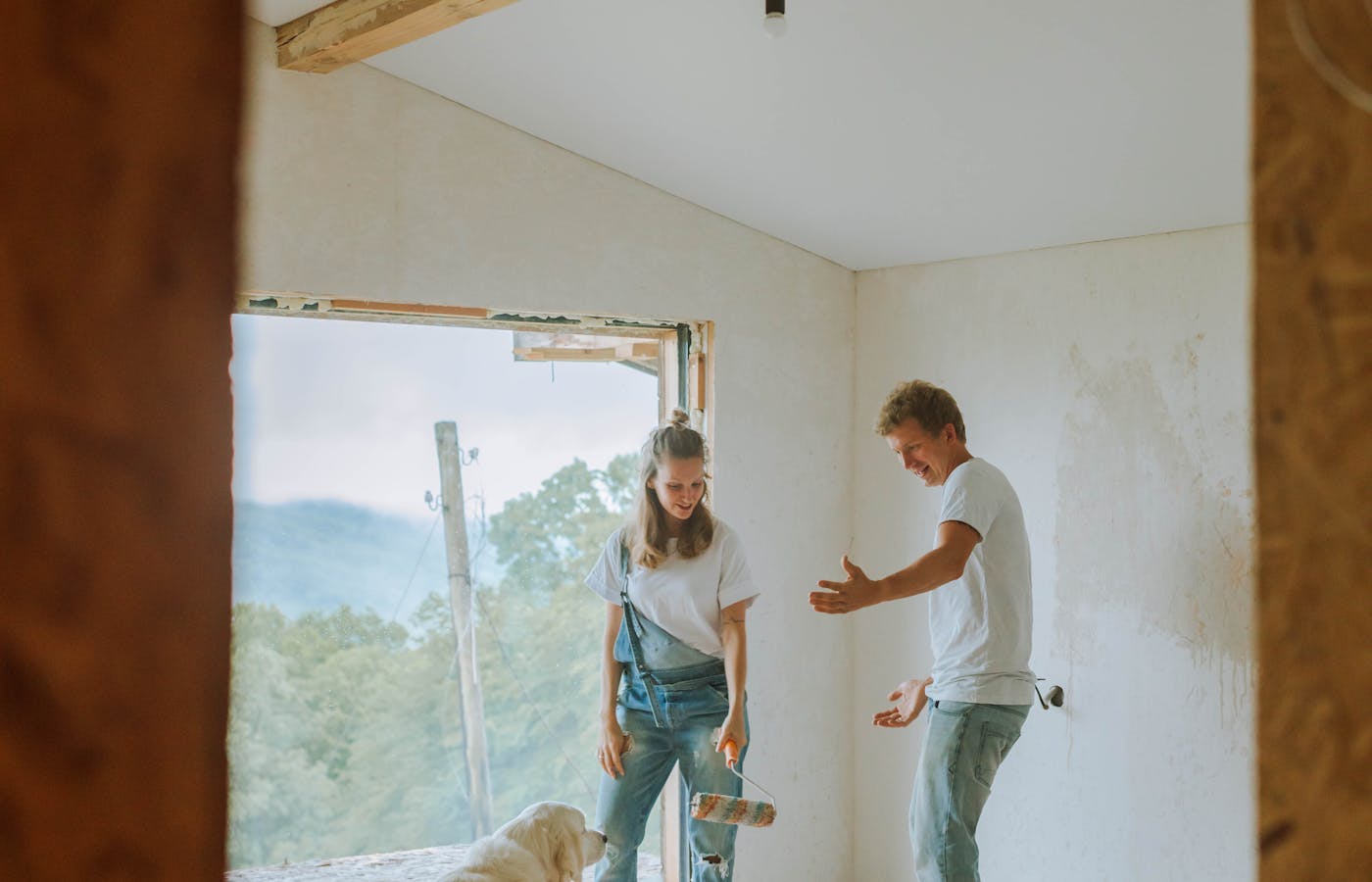
Home renovations can turn a familiar house into a confusing place for pets. Doors stay open, tools move around, strangers come in and out, smells change, and loud noises appear without warning. A calm dog or cat may hide, bolt, chew, bark, scratch, or step into a risky area.
Learning how to keep pets safe during home renovations is mostly about planning before the mess starts. Pets need distance from dust, paint, sharp tools, open doors, and stressed routines. They also need a predictable place where the rules stay the same while the rest of the home changes.
Plan pet safety before home renovations begin
The safest renovation plan starts before the first tool comes out. Walk through the project from your pet’s point of view. Notice loud rooms, open doors, material paths, dust, and fumes. A project that seems small to a person can still feel huge to an animal that does not understand the schedule.
Decide whether your pet can stay home during the work or whether a friend, family member, daycare, boarding facility, or separate part of the house would be calmer. This depends on temperament, project size, and hazards. A confident dog may handle one quiet paint day. A nervous cat may struggle with even a short contractor visit.
Tell anyone working in the home that pets live there. Do not assume workers will know which doors must stay closed or which animal is likely to run. A short explanation can prevent a serious escape: where the pet will be, whether doors can be opened, and who should be called if the pet is seen outside the safe area.
For multi-day work, write the plan down. A note on the pet room door and a checklist near the entry can help when people are carrying boxes, answering questions, or moving quickly.
Create a quiet safe room away from the work
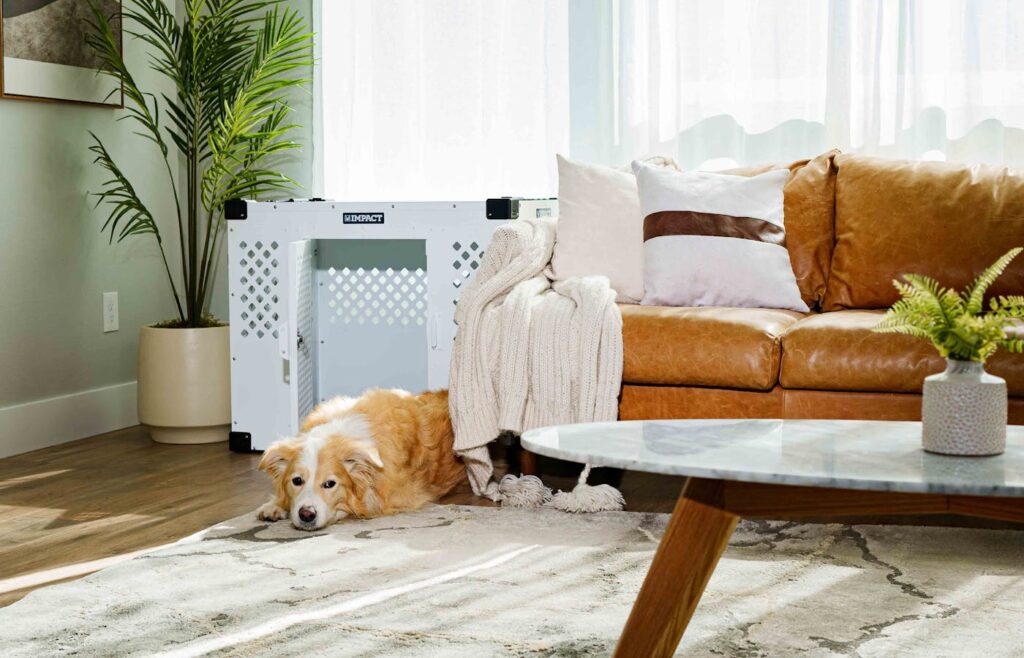
A safe room gives pets one place that still feels predictable. Choose a room away from noise, dust, fumes, open doors, and foot traffic. For cats, this might be a bedroom with a litter box, water, food, hiding spot, and familiar blanket. For dogs, it might be a bedroom, gated hallway, crate area, or quiet room with water and a comfortable bed.
Set up the safe room before renovation day, not after the pet is already upset. Let your pet spend time there with the door open, then practice short closed-door periods if needed. The room should feel normal, not like sudden punishment. Familiar scent matters, so add bedding, toys, or a shirt that smells like home.
Keep the room simple. Avoid leaving loose cords, plastic wrap, small hardware, open windows, or stacked items that could fall. If the pet is likely to scratch, chew, or dig when stressed, remove anything unsafe before the work starts. A safe room is only safe if the pet cannot create a new hazard inside it.
A safe room is not just a place to put the pet; it is the part of the house where renovation rules stay calm and predictable.
Control doors, gates, and escape routes
Open doors are one of the biggest renovation risks. Materials may be carried through the front door, garage, patio, or side gate many times in one day. A pet that normally ignores the door may run when startled by drilling, voices, or dropped tools. During renovations, door safety needs to be deliberate.
Use two layers of protection when possible. A closed room plus a baby gate, crate plus a closed door, or leash plus a separate entry routine gives more protection than one barrier alone. This is especially helpful when workers, delivery people, or relatives are moving through the house and may not know your pet’s habits.
Put visible reminders on doors if needed. A note that says keep closed, pet inside, or call before entering can help. For dogs that need bathroom breaks, plan those breaks around quiet moments instead of opening the safe room during active hauling or loud work.
- Check that gates latch before tools or materials arrive.
- Keep identification current during renovation days. For a cat using an ID collar, choose a properly fitted breakaway design. Remove collars and dangling tags before unattended crate time or any setup where they could snag, and keep microchip contact details current as backup.
- Use a leash before opening exterior doors for dogs.
- Tell workers which doors must stay closed.
- Block access to garages, basements, balconies, and open work zones.
Move tools, dust, and small materials out of reach
Renovation materials can be interesting to pets in the worst possible way. Screws, nails, blades, sanding pads, tape, plastic, insulation, caulk, paint trays, and small hardware can be chewed, swallowed, stepped on, or carried away. Even a pet that is usually not destructive may investigate when the house smells different.
Ask workers to keep tools and materials in a closed work zone or elevated container when not in use. At day’s end, check floors and corners for small pieces. Pets often find the tiny things people miss, especially under cabinets, near baseboards, behind doors, and along hallway edges.
Dust is another issue. Sawdust, drywall dust, plaster dust, and sanding residue can irritate paws, noses, eyes, and airways. Keep pets out of dusty rooms, close vents if appropriate for the project, and clean travel paths before allowing pets through. If your pet has breathing issues, ask your vet what level of caution makes sense before major work begins.
Pay attention to bags and buckets too. Pets can chew packaging, lick residue from a tray, or step through spilled material before anyone notices. At the end of each work session, close containers, move sharp items above pet level, and do one slow floor scan before the safe room door opens.
Watch noise and stress during renovation work
Renovation noise can be intense for pets. Drills, saws, hammers, vacuums, ladders, and moving furniture may trigger pacing, panting, hiding, vocalizing, shaking, or bathroom accidents. Some pets recover quickly, while others stack stress through the day instead of relaxing after each sound.
Reduce noise exposure when you can. Move the safe room farther away, use white noise, close interior doors, cover windows if outside movement is upsetting, and schedule walks or play before the loudest part of the day. For cats, provide hiding options that are safe and reachable, not places where they could get trapped behind furniture or inside an unfinished wall area. During renovation days, a pet safety checklist keeps those temporary hazards visible before work starts.
Do not force a scared pet to inspect the work zone. Curiosity can come later, after tools are away and the area is safe. During the work, calm distance is usually better than exposure. If your pet has severe noise fear, speak with a veterinarian before a large renovation and plan support before work begins, not after panic starts.
A pet that looks quiet is not always relaxed, so watch body language as closely as sound.
Handle paint, fumes, and cleaning products carefully
Paint, sealers, adhesives, solvents, floor finishes, and strong cleaners can create smells and residues that are not pet friendly. Keep pets away from wet surfaces, open containers, rags, brushes, trays, and recently treated areas. A quick lick or paw step can become a bigger problem than the project itself, especially during the same settling period covered in a first-week new-pet routine.
Ventilation matters, but open windows and doors can create escape risks. Balance both needs: ventilate the work area while keeping pets behind secure barriers in another part of the home. Do not let cats sit in open windows with weak screens, and do not assume a dog will ignore an open patio door just because it usually does.
Read product labels and drying times before pets return to a room. Dry to the touch does not always mean odor-free or safe for paws and noses. If a product has strong fumes, keep pets away longer and use a separate sleep space if needed. When in doubt, choose caution and ask the product manufacturer or your veterinarian for guidance.
Store cleanup rags and used brushes where pets cannot reach them. A rag that smells interesting may hold paint, solvent, adhesive, or cleaner residue. Bag disposable materials promptly, close trash containers, and avoid leaving wet supplies in a hallway or laundry sink where a curious pet can investigate.
Protect feeding, litter, and bathroom routines
Renovations disrupt routines, and pets notice. Meals may be late, litter boxes may move, water bowls may disappear behind supplies, and bathroom walks may be squeezed between work steps. Safety improves when the daily care routine stays as boring as possible.
Keep food and water in the safe room or in a reliable area away from the work. If a litter box must move, move it before the project starts and show the cat the new location. For dogs, schedule bathroom breaks before workers arrive, during quiet pauses, and after the workday ends. Do not wait until the dog is desperate and the front door is open.
A simple renovation-day routine helps:
- Walk dogs or refresh litter boxes before work begins.
- Move pets to the safe room with water and familiar bedding.
- Confirm doors, gates, and signs before workers arrive.
- Check on pets during quiet moments, not during active drilling or hauling.
- Clean floors and scan for small materials before releasing pets.
- Return food, litter, and sleeping spaces to normal as soon as the room is safe.
This routine is not complicated, but it prevents rushed decisions. Renovation days already have enough moving parts. Pets do better when their food, water, bathroom access, and rest space do not become part of the chaos.
Inspect the home before pets return to renovated areas
Before pets return to a renovated room, get low and inspect it like a curious animal would. Look under furniture, near baseboards, behind doors, below cabinets, around vents, and along the path from the safe room. Small hazards can hide in places that look clean from adult standing height.
Check for sharp pieces, dropped hardware, plastic film, tape scraps, splinters, dust piles, open paint cans, loose cords, unstable stacked items, and wet surfaces. Also make sure windows, screens, doors, and temporary barriers are secure. A room can look finished while still having details that matter to paws, noses, and mouths.
- Vacuum or wipe dust before pets walk through the area.
- Remove all small hardware from floors and low shelves.
- Keep cords and power strips out of chewing range.
- Confirm paint, adhesive, or floor products are fully ready for pet traffic.
- Watch the first return instead of letting pets roam alone immediately.
Home renovations are easier on pets when the plan is built around distance, routine, and careful cleanup. Create a safe room, control doors, keep tools and fumes away, protect normal care habits, and inspect every work zone before pets return. That turns renovation from a confusing disruption into something your pet can move through more safely.
Sources and further reading
- ASPCA household product guidance: Further reading on this topic.

Keep this guide handy
Save this article for later. Read the guide above for the details and cautions.
Save to Pinterest (opens in a new tab)