
Questions to Ask Before Adopting a Pet
Published Updated

By Silas Payao
Writer and editor focusing on clear steps for new dog and cat owners.
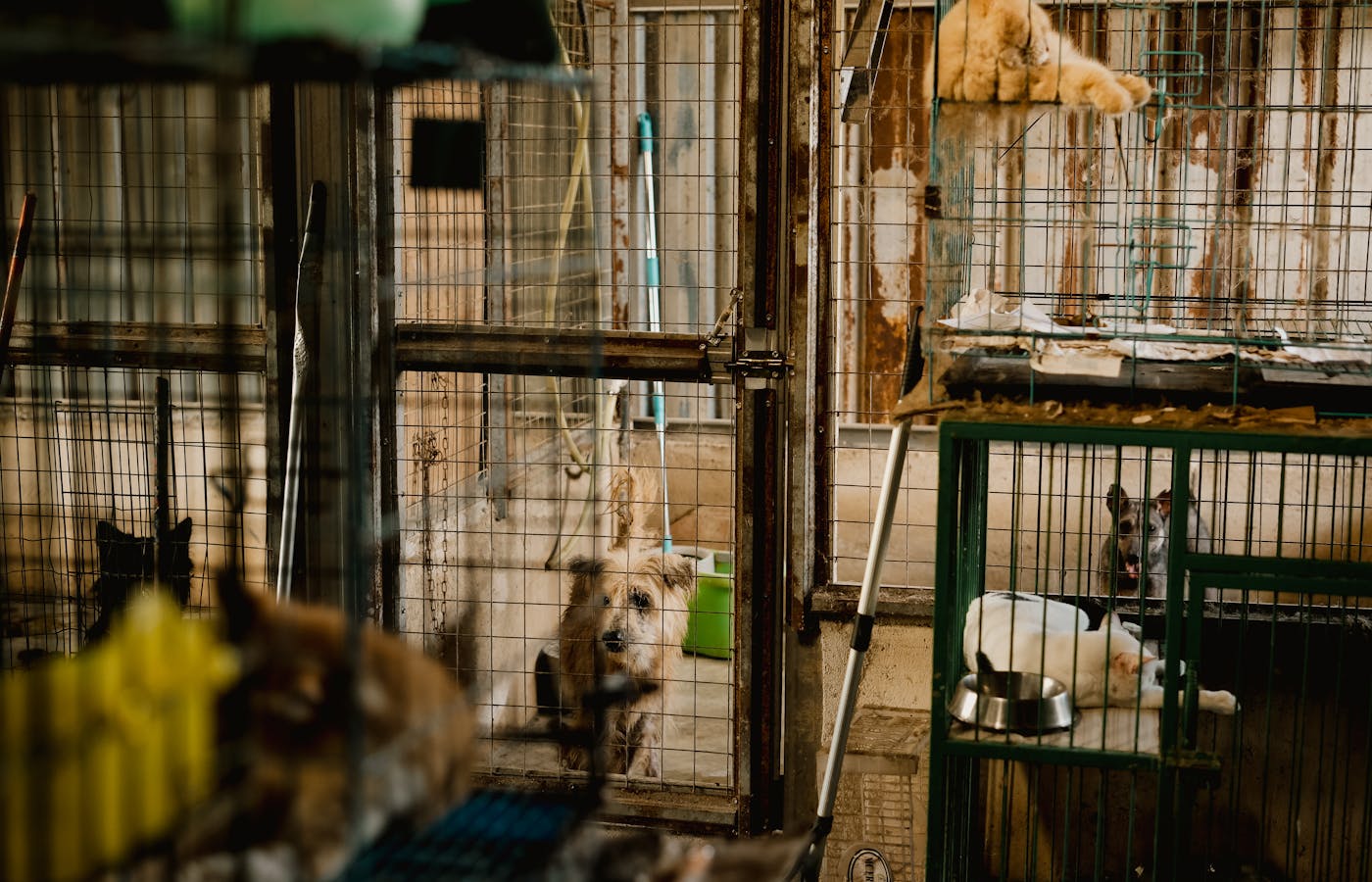
Adopting a pet is exciting, but the best decision often happens before you fall in love with a face. A pet may be friendly, beautiful, scared, playful, quiet, or impossible to ignore in the shelter, and none of that automatically tells you whether your home, schedule, budget, and patience are ready.
The right questions to ask before adopting a pet are not meant to make the process colder. They make it kinder. They help you understand what the animal needs, what your household can realistically offer, and which surprises should be discussed before the ride home.
A good adoption decision protects both sides of the relationship. I would rather slow down for one careful conversation than bring home a pet and discover, three days later, that the daily care needs were completely different from what the household expected.
Ask whether your daily routine can support a pet
Start with time, because time shapes almost every part of pet care. Feeding, walks, litter box cleaning, play, grooming, training, vet visits, and quiet adjustment all need space in the week. A pet does not just need love in general; it needs repeated care at ordinary times, including the days when work runs late or everyone is tired.
Ask yourself who will do each daily task and when it will happen. If the answer is “we will figure it out,” pause and make it more specific. A dog that needs several outdoor breaks will affect mornings and evenings. A cat may seem lower maintenance, but litter, enrichment, scratching options, and feeding routines still need consistency.
Also ask what happens during travel, long workdays, school schedules, and weekends away. A realistic plan does not need to be perfect. It just needs to exist before the pet arrives.
Ask what the full cost of pet adoption will include
The adoption fee is only the beginning. New owners often remember food, bowls, and a bed, then underestimate routine veterinary care, preventives, grooming, training help, pet sitters, replacement supplies, and emergency savings. A pet that seems affordable on day one can strain the household later if those costs were never named.
Use a simple readiness table before making the commitment:
| Cost area | Ask before adopting | Why it matters |
|---|---|---|
| Routine care | What regular vet visits and preventives should I expect? | These costs return every year. |
| Supplies | What do I need now, and what can wait? | It prevents rushed buying. |
| Food | What is the pet eating today? | A sudden food change can upset the transition. |
| Backup care | Who can help when I travel or work late? | Care gaps create stress quickly. |
If the numbers feel tight, that does not mean you cannot adopt someday. It means the kinder move may be to prepare the budget first, choose a lower-cost fit, or ask the shelter which needs are most urgent for that specific animal.
Ask if your home matches the pet’s size and energy
Home fit is about more than square footage. A small apartment can work beautifully for some pets if the routine is strong, while a large home can still be stressful if there is no supervision, enrichment, or safe resting space. Ask how the pet behaves indoors, how much exercise it usually needs, and whether it has shown stress around noise, stairs, elevators, children, or other animals.
For dogs, ask about leash habits, crate experience, bathroom routines, barking, and how the dog handles being alone. For cats, ask about litter habits, scratching preferences, hiding behavior, vertical space, and whether the cat has lived with other pets. These details matter more than broad labels like “easy” or “friendly.”
Then look at your home honestly. Are there loose cords, toxic plants, open windows, fragile items, or rooms that need to be blocked at first? Can the pet have a quiet starter area? A calmer arrival often begins with one safe zone instead of full access to the whole home.
Ask what the shelter knows about behavior and history
Shelters and rescues may not know everything about a pet’s past, and that is normal. What matters is asking for the information they do have and listening carefully to uncertainty. A responsible answer might include known behavior, observed reactions, medical notes, foster feedback, or a clear “we do not know yet.”
Ask how the pet reacts to handling, food, toys, other animals, strangers, children, and quiet time. Ask whether the behavior has changed since intake. Some pets are shut down in a kennel and open up at home; others appear calm because they are overwhelmed. Neither response is a moral flaw. It is context.
Pay attention to the words used. “Needs time to warm up” may mean patience and gentle handling. “High energy” may mean daily exercise and training. “Best as the only pet” should be taken seriously, not treated as a challenge to solve later.
Ask what the first month should look like
The first month is not a test of whether the pet is perfect. It is a transition period. Ask what routine the shelter recommends for the first few days, how quickly to introduce rooms, when to schedule a vet visit, and what signs of stress are expected versus concerning.
New pets often need more structure than affection. They may sleep a lot, hide, pace, bark, meow, refuse some food, or act different from how they behaved during the meeting. A plan helps the household stay steady instead of reacting emotionally to every change.
- Set up food, water, bedding, litter, or walking supplies before arrival.
- Keep the first area quiet and easy to supervise.
- Delay big introductions until the pet has had time to settle.
- Use the same feeding and bathroom routine each day.
- Write down questions for the first vet visit.

Ask how your family will share pet care
Everyone may want the pet, but not everyone may understand the work. Before adopting, ask who handles feeding, walks, litter, training practice, cleaning, grooming appointments, and overnight care. If children are involved, adults still need to own the final responsibility. Children can help, but they should not be the safety net for daily care.
It also helps to ask what rules the household will follow. Will the pet be allowed on furniture? Where will it sleep? Who answers if the dog barks at night? What happens if the cat scratches the sofa? Different answers after adoption can confuse the pet and create tension between people.
Family fit is not just whether everyone likes animals; it is whether the household can respond consistently when the pet is inconvenient. That sentence sounds blunt, but it is often where the real readiness check lives.
The best time to agree on pet care rules is before a tired animal is standing in the living room.
Use adoption questions to make a slower decision
After the shelter visit, give yourself permission to think. A thoughtful adoption decision can still be warm and emotional; it simply leaves room for the practical side too. If a pet seems wonderful but the timing is wrong, that is not failure. It is respect for the animal’s long-term life.
Use this final decision pass:
- Write down the pet’s daily care needs as clearly as you understand them.
- Compare those needs with your schedule for a normal week.
- Estimate starter costs and recurring costs separately.
- List the home changes needed before arrival.
- Decide who owns each daily task.
- Ask the shelter any question that still feels vague.
- Choose only when the excitement and the plan can sit together.
The best questions to ask before adopting a pet make the adoption more personal, not less. They help you see the animal in the life you actually live, with your mornings, budget, rooms, family habits, and limits included.
If the answers still point toward adoption, you will bring the pet home with more confidence. If they point toward waiting, you have still done something caring.
Sources and further reading
- Preparing for a new cat: Further reading on this topic.

Keep this guide handy
Save this article for later. Read the guide above for the details and cautions.
Save to Pinterest (opens in a new tab)