
How to Build Trust with a New Pet
Published Updated

Writer and editor focusing on everyday care and life with a new dog or cat.

Trust with a new pet usually grows quietly. It is not built in one perfect cuddle, one big training session, or one emotional first day. A dog, cat, puppy, kitten, or rescue animal has to learn what your home sounds like, how people move, where safe places are, and whether the daily routine is predictable.
I like to think of the first days as an invitation, not a test. The pet does not need to act grateful, social, playful, or brave right away. Your job is to become easy to understand. When care feels steady, trust has room to appear.
Start by making the new pet feel safe before asking for affection
A new pet may need time to watch before joining in. Even a friendly animal can feel overwhelmed by new smells, floors, voices, doors, furniture, and routines. Give them one safe area with water, a resting spot, and easy access to the things they need. For a cat, that may include a litter box nearby. For a dog, it may include a crate, bed, gate, or quiet room.
Do not fill the first day with visitors, constant touching, or too many rooms. A smaller world is easier to understand. Let the pet learn one area, then expand access as confidence grows. If the pet hides, freezes, pants, avoids eye contact, or startles often, reduce pressure instead of trying harder.
Safety comes before bonding. A pet that can retreat, rest, and predict what happens next is more likely to approach by choice later.
Use predictable routines so the pet can read the household
Routine is one of the easiest ways to build trust with a new pet. Feed at consistent times, keep water in the same place, use a similar bedtime rhythm, and make bathroom or litter box access reliable. Predictable care teaches the pet that good things happen without needing to worry or compete for them.
Keep greetings calm. Walk into the room normally, speak softly, and avoid hovering over the pet. If a dog or cat is cautious, sit sideways or lower your body without reaching immediately. That gives the pet more control over distance. Control matters because trust often grows from being allowed to choose.
The first routine does not have to be perfect. It only needs to be repeatable enough that the pet can start recognizing patterns: food appears, people move calmly, rest is allowed, and no one forces contact every time they pass by.
Let touch become a choice, not a surprise
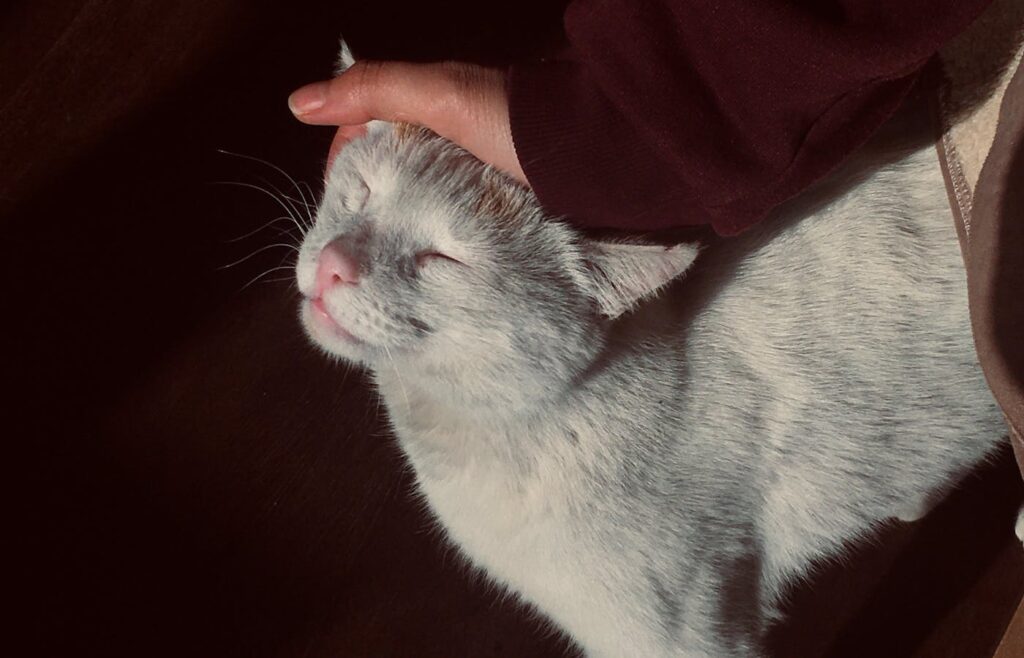
Many new owners want to reassure a pet by touching them often. Sometimes that helps, but sometimes it adds pressure. Let the pet sniff, move away, return, or pause. Offer a hand low and still rather than reaching over the head. Pet briefly, stop, and see whether the pet leans back in or steps away.
Dogs and cats often show comfort in small ways. A dog may soften its body, approach with loose movement, or rest nearby. A cat may blink slowly, rub against furniture near you, or choose to sit in the same room. These moments count even if the pet is not ready for full contact.
Teach everyone in the home to respect pauses. Children especially may need clear rules: no chasing, no grabbing, no cornering, no waking a sleeping pet, and no forcing hugs. Gentle handling is not just kindness. It is how the pet learns that people are safe to approach.
Build trust through food without creating pressure
Food can help, but it should not become a trap. Offer meals in a calm place and step back if the pet is nervous. Some animals eat better when people are not staring at them. Others relax when a trusted person sits nearby quietly. Watch the pet in front of you and adjust.
Treats can create positive associations when used gently. Toss a treat near the pet instead of making them come all the way to your hand. Over time, place treats a little closer if the pet stays relaxed. If the pet stretches forward and retreats quickly, that still counts as progress. Do not use hunger to force bravery.
For dogs, short reward-based training can help communication. For cats, treats, play, and routine can do the same job. The point is not performance. The point is that the pet learns your presence predicts good, low-pressure things.
Play at the pet’s speed instead of forcing interaction
Play is a useful trust bridge because it gives the pet something to do besides being watched. Dogs may enjoy gentle toy games, sniffing games, or very short training moments. Cats may prefer wand toys, slow movement, small tosses, or hiding games that let them stalk from a safe distance.
Keep play short at first. Stop before the pet becomes overstimulated, mouthy, frantic, or frustrated. A few good minutes can build more trust than a long session that ends with chasing, grabbing, or correction. For timid pets, even watching a toy move from across the room may be a starting point.
Play should match the animal’s age, health, and confidence. A young pet may need frequent gentle outlets. An older pet may prefer calm exploration. A rescue animal may need several days before play feels safe. Let the pet’s body language set the pace.
- Start with a quiet room and one simple toy.
- Keep the first session short and easy to end.
- Pause if the pet backs away, hides, or gets too excited.
- End while the pet still seems comfortable.
- Repeat later instead of pushing for more at once.
Respond to fear with space, not punishment
A new pet may bark, hiss, hide, growl, freeze, have accidents, refuse food, or avoid people. These reactions can be stressful, but they are information. The pet is saying something is too much, too fast, too close, too loud, or too unpredictable. Punishment usually makes that lesson worse.
Give space and reduce the trigger when you can. If the pet is scared of visitors, use a separate room, gate, crate, or quiet zone. If noises cause panic, lower household volume and add distance. If handling causes tension, slow down and work in tiny steps.
Some fear, aggression, pain signs, or sudden behavior changes deserve help from a veterinarian or qualified behavior professional. Trust-building does not mean ignoring serious signals. It means responding in a way that keeps the pet and people safer.
Make every family member follow the same trust rules
Trust gets confusing when one person is gentle, another person chases, and someone else changes the rules every day. Agree on simple household rules before problems repeat. Decide where the pet can rest, who feeds, how children interact, what rooms are open, and what behaviors need calm redirection.
Keep names and cues consistent. If one person says “down,” another says “off,” and another laughs at jumping, a dog will struggle to understand. Cats also notice patterns. If one person respects hiding spots and another pulls the cat out, the hiding place stops feeling safe.
The family does not need a complicated training plan. It needs shared kindness and predictable boundaries. A pet builds trust faster when every person feels like part of the same household, not a different set of surprises.
- Let sleeping pets rest.
- Use calm voices near the safe area.
- Do not chase a pet that moves away.
- Keep feeding and bathroom routines steady.
- Reward brave moments without demanding more.
Notice the small signs that trust is growing
Trust often appears in ordinary moments. The pet eats more comfortably, rests in a shared room, explores a little farther, follows you without tension, accepts brief touch, plays for a minute, or chooses to lie nearby. These signs may look small, but they show the home is starting to make sense.
Do not compare the pet to a video, a previous animal, or someone else’s fast adjustment story. A confident puppy, shy kitten, adult rescue dog, and cautious senior cat may all need different timelines. Progress is still progress when it arrives quietly.
Building trust with a new pet is mostly about becoming reliable: safe space, predictable care, gentle touch, low-pressure food, appropriate play, and patience when fear appears. When the pet learns that people listen, the relationship starts to feel less like management and more like belonging.
Sources and further reading
- AVSAB training position statements: Further reading on this topic.

Keep this guide handy
Save this article for later. Read the guide above for the details and cautions.
Save to Pinterest (opens in a new tab)