Pet-Safe Plants for Homes with Dogs and Cats
Published Updated

Writer and editor focusing on everyday care and life with a new dog or cat.
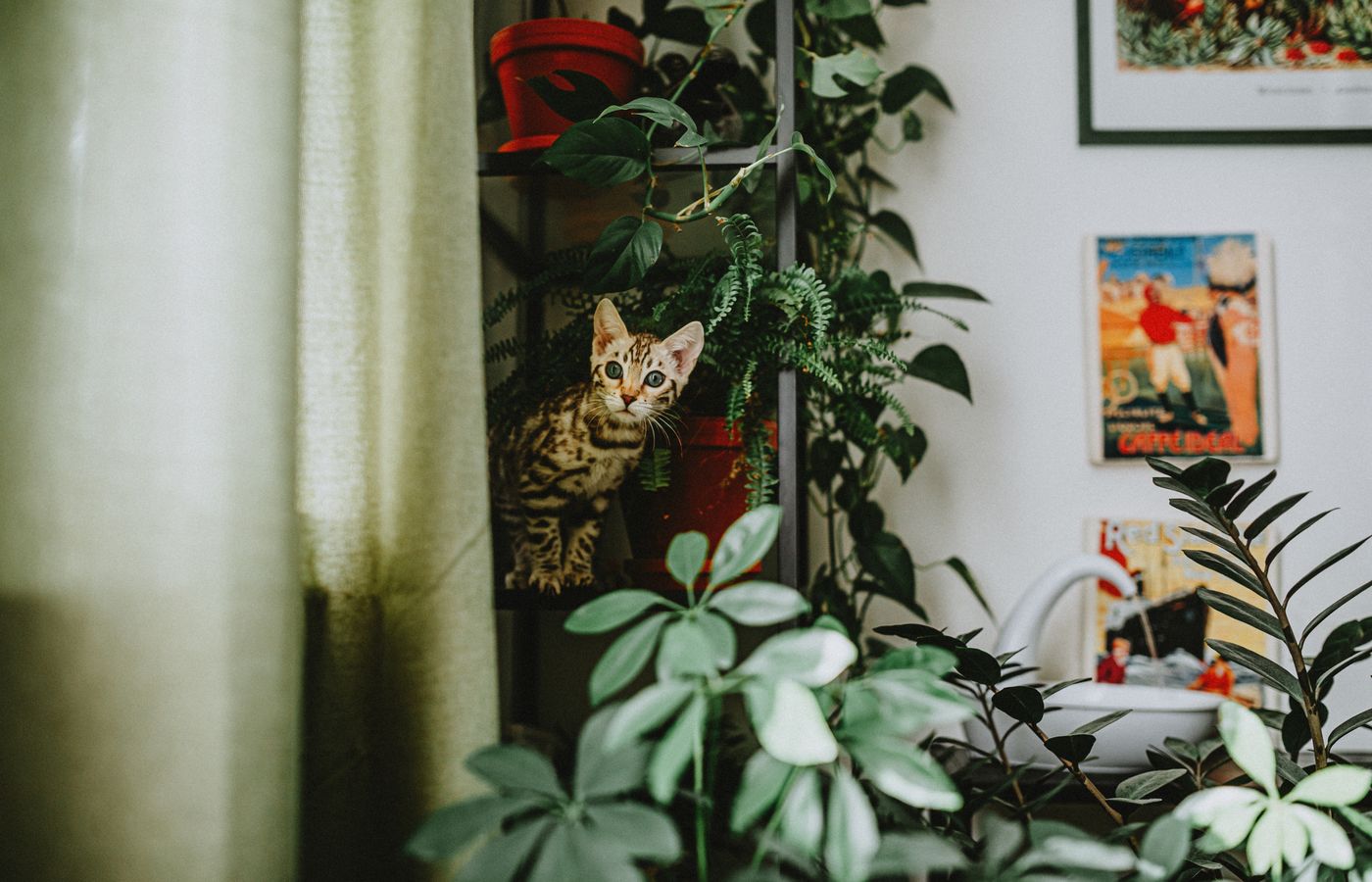
Houseplants can make a home feel calmer, but dogs and cats do not see plants the same way people do. A leaf can look like a toy, a pot can look like a digging spot, and soil can smell interesting enough to investigate. That curiosity is normal, but it changes how plant choices should be made.
ASPCA plant toxicity references are a practical source before buying because common names can mislead. A plant sold as a palm, lily, ivy, or fern may not be the safe version a pet owner had in mind.
Pet-safe plants for homes with dogs and cats should be chosen by exact plant name, not by appearance or a casual store label. Many plants look similar, and common names can be confusing. A safer home starts with knowing what each plant is and where it will live.
This does not mean a pet home has to be empty. It means each plant should be selected, placed, and monitored with the actual pets in mind.
Start pet-safe plants with exact plant names
The safest plant decision starts before the plant comes home. Read the nursery label, search for the scientific name if possible, and write the name down. Common names can overlap, and one store label may describe a group of plants instead of the exact variety. That is not enough when a pet might chew it.
If you cannot identify a plant clearly, treat it as unknown until you can. Unknown plants should stay out of reach of dogs and cats, especially curious kittens, puppies, and pets that already chew leaves. A beautiful plant is not worth guessing about when the household includes animals.
Keep a small plant list in your phone with the plant name, room, and purchase date. If a pet later chews a leaf or knocks over a pot, you will not have to describe the plant from memory during a stressful moment.
This habit also helps guests and pet sitters. A clear name list is easier to share than a collection of vague descriptions like the green one by the window.
If a label is missing, take a photo and ask the shop before placing the plant near a pet area.
Choose beginner plants with lower pet risk
Some common houseplants are widely chosen for pet homes because they are generally considered lower risk when compared with known toxic plants. Two identifiable options in the ASPCA database are spider plant (Chlorophytum comosum) and parlor palm (Chamaedorea elegans), both listed as non-toxic to dogs and cats. Check the scientific name on the actual plant: these entries do not cover every plant called a palm or a spider plant. Non-toxic also does not mean suitable for chewing. The exact variety still matters, so do not rely on the broad family name alone.
Pet-safe does not mean chew-proof or mess-proof. A dog can still vomit after eating too much plant material, and a cat can still damage leaves, spill soil, or break a pot. Safer plant choices reduce one category of risk, but they do not remove the need for supervision. That same supervision mindset applies to common household hazards for pets.
| Plant decision | Safer habit | Why it matters |
|---|---|---|
| New plant | Confirm exact name first | Common names can mislead |
| Chewing pet | Start with high shelves or closed rooms | Curiosity can override training |
| Heavy pot | Use a stable base | Prevents tipping and broken ceramic |
| Soil additives | Check fertilizer and treatments | The soil can be the risk, not only leaves |
When in doubt, choose fewer plants and learn how your pet behaves before adding more. A slow plant collection is easier to manage than a room full of unknown leaves.
Place plants based on your pet’s behavior
Placement matters as much as plant choice. A plant that is safe on paper can still become a problem if it sits where a dog can dig, where a cat can climb, or where a wagging tail can knock it over. Watch how your pets move through the room before deciding that a windowsill or shelf is safe.
Cats may reach plants by jumping to furniture, shelves, counters, and narrow ledges. Dogs may reach plants by standing on back legs, nudging pots, or pulling trailing leaves. Small pets may not reach high surfaces, but they can still investigate floor plants, spilled soil, and fallen leaves. Before the pet explores, a houseplant safety checklist can make that room-by-room review more practical.
Useful placement choices include:
- Use wall shelves only if the cat cannot reach them from nearby furniture.
- Keep trailing leaves trimmed away from pet eye level.
- Place heavy pots where they cannot tip into a walkway.
- Use rooms with doors for new or uncertain plants.
- Move plants away from food bowls, litter boxes, beds, and favorite play paths.
The best plant spot is not just bright enough for the plant. It is also boring enough for the pet.
Watch soil, fertilizer, and pot problems
Plant safety is not only about leaves. Soil, fertilizer, pest treatments, decorative stones, moss, and broken pots can all create problems for dogs and cats. Some pets dig because the soil smells interesting. Others chew plant tags, lick saucers, or bat small stones across the floor.
Use plain potting choices when possible, and keep fertilizer, plant food, insect treatments, and sharp tools stored away from pets. If a plant has been treated with something new, keep it separated until the product label and drying instructions are clear. A safer plant can become less safe after the wrong treatment.
Pot stability also matters. Lightweight pots can tip, tall pots can wobble, and ceramic pots can break into sharp pieces. Place larger plants where pets cannot turn them into obstacles during zooming, playing, or greeting people at the door.
Drainage trays deserve attention too. Standing water can collect soil, fertilizer residue, or bits of leaf, and some pets will drink from anything left on the floor. Empty trays after watering and wipe up spills before a curious pet finds them.
If you use decorative toppers, choose pieces too large to swallow and too dull to cut paws. Skip small gravel, loose bark, or tiny shells in homes with pets that mouth objects.
Train around plants without relying on training alone
Training can help pets leave plants alone, but storage and placement should do most of the safety work. A pet may understand a rule when you are nearby and forget it when bored, anxious, excited, or alone. The setup should protect the pet when supervision is not perfect.
Offer better alternatives. Cats that chew leaves may need safe enrichment, cat grass, more play, or a protected window perch. Dogs that dig in pots may need more activity, puzzle feeders, or blocked access to floor plants. Redirecting the behavior is often more useful than repeating the same warning.
A pet-safe plant setup assumes curiosity will happen and plans for it before damage happens.
Do not punish a pet after finding chewed leaves or spilled soil. Remove the plant, clean the area, check the plant identity, and watch for symptoms. The cleanup is also information: that location or plant type may not work for that pet.
The safest plant shelf is the one your pet ignores on an ordinary day.
When a plant keeps attracting attention, move the plant instead of waiting for the pet to change first.
Review symptoms and emergency steps before buying plants
Even careful homes need a response plan. If a pet chews an unknown plant, eats soil, vomits repeatedly, drools, acts weak, has diarrhea, paws at the mouth, trembles, or seems unusual, contact a veterinarian or pet poison helpline quickly. Bring the plant name, a photo, and any product label from fertilizer or treatment.
Use this plant check routine before adding anything new:
- Confirm the exact plant name and save it in your notes.
- Check whether the plant is appropriate for both dogs and cats in your home.
- Inspect soil, fertilizer, pest treatment, pot weight, and drainage tray.
- Choose a location based on jumping, chewing, digging, and traffic patterns.
- Watch the first week for interest, nibbling, digging, or tipped soil.
- Move the plant immediately if a pet keeps investigating it.
Keep a simple plant safety kit ready:
- A saved list of plant names and rooms.
- Photos of each plant and pot label.
- Your veterinarian’s number in your phone.
- A plan for moving questionable plants behind a closed door.
- A trash bag and gloves for quickly removing fallen leaves or spilled soil.
A safer plant home comes from names, placement, behavior, soil, pots, and emergency planning working together. Pick plants slowly, watch how your pets respond, and move any plant that becomes too interesting before curiosity turns into a safety problem.
Sources and further reading
- ASPCA plant safety database: Further reading on this topic.

Keep this guide handy
Save this article for later. Read the guide above for the details and cautions.
Save to Pinterest (opens in a new tab)