
How Often Should You Clean a Litter Box?
Published Updated

Writer and editor focusing on everyday care and life with a new dog or cat.
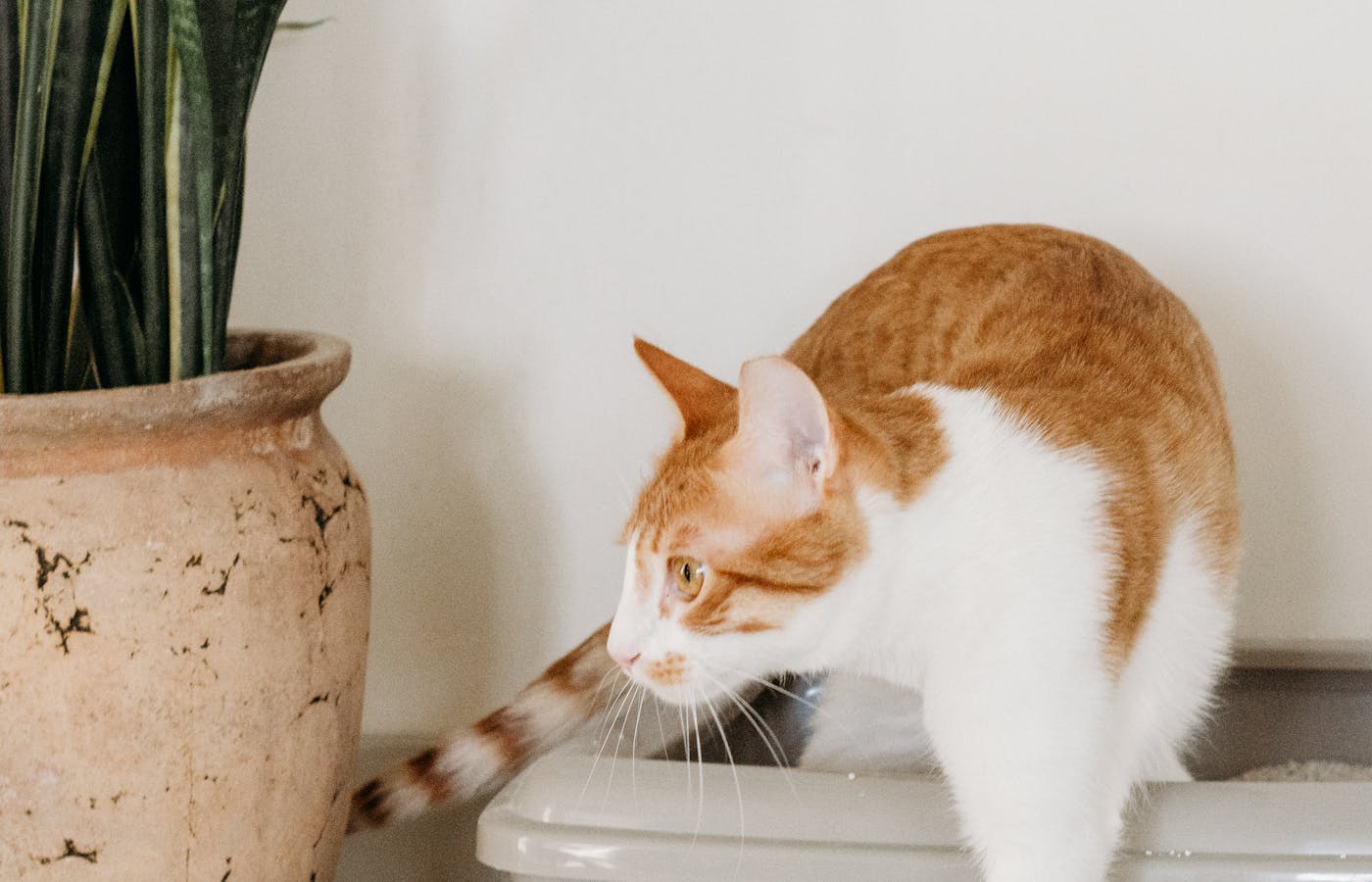
A litter box can look like a small detail until it becomes the reason a cat avoids the box, the room smells sour, or a new owner starts guessing what is normal. Cats often notice box conditions before people do, and some cats are very clear when the box no longer feels acceptable.
A regular litter box cleaning schedule helps you build a routine instead of reacting to odor. The answer depends on the number of cats, box size, litter type, diet, health, and where the box sits, but there are practical baselines that work for many homes.
A clean litter box protects comfort, hygiene, and behavior. It also gives you a better chance to notice changes in urine, stool, or box habits early.
Scoop the litter box at least once a day
Daily scooping is the baseline for most homes. Removing urine clumps and stool once a day keeps odor lower, gives the cat a cleaner place to step, and prevents waste from breaking apart into the rest of the litter. Some homes need twice-daily scooping, especially with multiple cats or a small box.
If the box smells strong before the day is over, the schedule may be too light. Odor can also mean the litter is not clumping well, the box is too small, the room has poor airflow, or one cat is using the box much more than expected.
Make scooping easy to repeat. Keep a scoop, small trash bags, and a covered waste container nearby if the setup allows it. The less friction there is, the less likely the box is to sit untouched for another day.
Daily scooping also teaches you what is normal for your cat. When clumps suddenly get larger, smaller, more frequent, or absent, that information can matter.
If you miss a day, do not just add fresh litter over the old mess. Scoop thoroughly, stir the remaining clean litter only after waste is gone, and decide whether the box needs a full change sooner than planned.
Wash the box before old residue builds up
Scooping removes waste, but it does not fully clean the box. Over time, litter dust, urine residue, and small bits of waste can cling to the plastic. A box may smell unpleasant even after fresh litter is added if the base itself has not been washed.
Many homes do well with a full box wash about once a week or every two weeks. The exact timing depends on the litter type, the number of cats, and how quickly residue forms. If the box smells after scooping, feels sticky, or has dried clumps on the sides, wash it sooner.
Use mild, cat-safe cleaning habits. Empty the box, rinse away loose litter, wash with gentle soap, rinse thoroughly, and dry completely before adding fresh litter. Strong fragrance can bother some cats, so avoid turning the box into a perfume project.
The box should smell clean to you, but it should not smell confusing to the cat. A strong new scent can make a sensitive cat hesitate.
Check the plastic while the box is empty. Deep scratches can hold odor even after washing. If the box stays smelly after a careful clean, replacement may be kinder than adding more fragrance or harsher cleaners.
Change all the litter on a regular schedule
Even with daily scooping, litter eventually needs a full change. Small pieces of broken clumps, dust, and odor can remain behind. Adding fresh litter on top may help depth for a while, but it does not reset the box completely.
Clumping litter often lasts longer than non-clumping litter, but it still needs full replacement. Non-clumping litter usually needs changing more often because urine spreads through the material instead of forming removable clumps. Natural litters vary widely, so watch the box rather than trusting the bag alone.
| Home situation | Scooping | Full wash or change |
|---|---|---|
| One cat, clumping litter | Daily | About weekly or every two weeks |
| Two cats sharing boxes | Daily or twice daily | Weekly in many homes |
| Non-clumping litter | Remove stool daily | Often several times a week |
| Strong odor or sticky base | Same day | Wash before refilling |
Use the table as a starting point, not a rigid rule. Your cat’s behavior and the smell of the box should decide when the schedule needs tightening.
Keep litter depth steady too. Many cats prefer enough litter to dig and cover waste, but too much litter can slide around and make scooping messy. A consistent depth makes changes in use easier to notice, and a kitten-supply checklist can help new owners choose the box and scoop setup before habits form.
Clean more often in multi-cat homes
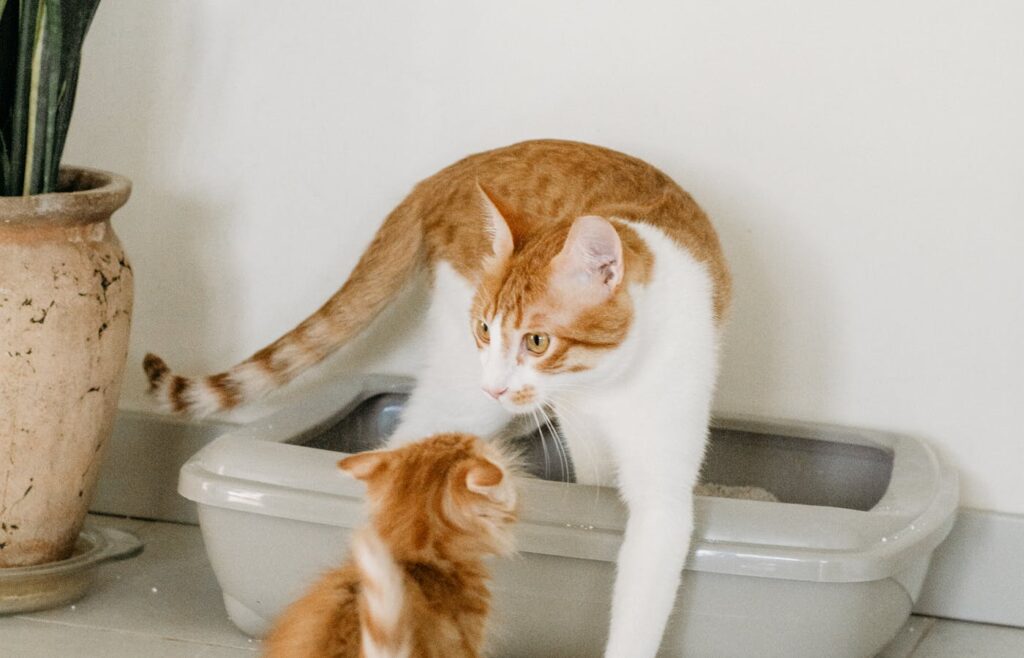
More cats means more waste, but it also means more social pressure around the box. A litter box that works for one cat may feel crowded or dirty when two cats use it. Some cats also dislike stepping into a box recently used by another cat.
A common guideline is one litter box per cat, plus one extra when space allows. That does not remove the need to scoop, but it spreads use across more boxes and gives cats options. If one box becomes unpopular, the pattern can tell you something about location, cleanliness, or conflict.
In a multi-cat home, scoop at least daily and consider a morning and evening check. Watch for one box filling faster than others, one cat guarding an area, or accidents near the box. Those signs may point to more than a cleaning issue.
- Add another box if one box is always overloaded.
- Separate boxes instead of lining them all up together.
- Keep at least one box in a quiet, easy-to-reach spot.
- Watch whether one cat avoids a box after another cat uses it.
- Clean shared boxes before odor becomes noticeable.
Watch for signs the box is not clean enough
Cats may show litter box problems quietly at first. A cat might sniff the box and leave, perch on the edge, dig excessively, rush out, or start choosing nearby rugs, laundry, bathtubs, or corners. These signs do not always mean the box is dirty, but cleanliness is one of the first things to check.
Smell is another clue. If a person notices the box from the hallway, the cat has probably noticed it for longer. Dust, damp litter, stuck clumps, and uncovered stool can all make the box less inviting.
Health changes can look like cleaning problems too. Straining, frequent trips, blood, diarrhea, sudden accidents, or crying in the box should be taken seriously. Cleaning the box helps you see these changes, but it does not replace veterinary care when warning signs appear.
Repeated straining with little or no urine, or an inability to urinate, is an emergency: seek veterinary care immediately. Contact the clinic promptly for other new urinary changes.
Location can add to the problem. A clean box placed beside a loud appliance, in a blocked corner, or near a busy doorway may still feel unsafe to a cat. Check cleanliness first, then look at privacy and access.
- The cat enters the box and leaves without using it.
- Waste appears beside the box instead of inside it.
- The box smells strong shortly after scooping.
- Clumps break apart and spread through the litter.
- The plastic base stays damp, sticky, or stained.
Use a simple litter box reset routine
A routine keeps the box from becoming a guessing game. Choose a daily scooping time, choose a weekly inspection time, and keep supplies close enough that the task does not turn into a search. The routine should be easy for the person and predictable for the cat.
- Scoop clumps and stool every day.
- Top up litter only after waste is removed.
- Check the box sides and corners for stuck residue.
- Empty and wash the box when odor or buildup remains.
- Dry the box fully before adding clean litter.
- Refill to a depth your cat uses comfortably.
- Note changes in urine, stool, or box behavior.
Put the routine on a real household rhythm. Morning coffee, evening feeding, or taking out the trash can become the cue to check the box. A routine tied to another habit is easier to keep than a vague plan to remember later.
How often should you clean a litter box? For most homes, scoop daily, wash regularly, and change the litter before odor or residue takes over. The best schedule is the one that keeps the box clean enough for the cat to use confidently and clean enough for you to notice when something changes.
Sources and further reading
- Cornell litter box guidance: Litter box cleaning and medical causes of house soiling.
- Cornell urinary emergency guidance: Little or no urine with repeated straining needs immediate care.

Keep this guide handy
Save this article for later. Read the guide above for the details and cautions.
Save to Pinterest (opens in a new tab)