What to Buy Before Bringing a Kitten Home

Bringing a kitten home is exciting, but the shopping list can get messy fast. Stores make it look like every tiny bed, tunnel, fountain, treat, collar, and toy is urgent. In reality, a kitten needs a few reliable basics before pickup day, and many cute extras can wait until you know the kitten’s personality.
The best first setup should make the first week calmer. Your goal is not to build a perfect cat room overnight. Your goal is to help a small animal eat, drink, use the litter box, hide safely, sleep, play, scratch, and travel home without unnecessary stress.
A good kitten shopping list separates true first-day supplies from nice-to-have items. That keeps the budget focused and prevents a pile of products that do not fit the kitten, your space, or your routine.
Start with kitten supplies for the first room
A new kitten usually does better in one quiet starter room before exploring the whole home. That room needs the essentials within easy reach: litter box, food, water, a soft resting spot, safe toys, scratching option, and a few hiding places. The space does not need to look fancy; it needs to feel predictable.
Choose a room where you can close the door, control cords and small objects, and check on the kitten without too much traffic. A bedroom, office, or low-traffic bathroom can work if it is safe and comfortable. Avoid placing everything in the middle of a busy living room on day one.
Think in zones. Food and water should not sit directly beside the litter box. The resting spot should be away from drafts. Toys should be easy to remove if play becomes too wild. This simple layout matters more than buying the most expensive version of every product.
Buy the litter box setup before the kitten arrives
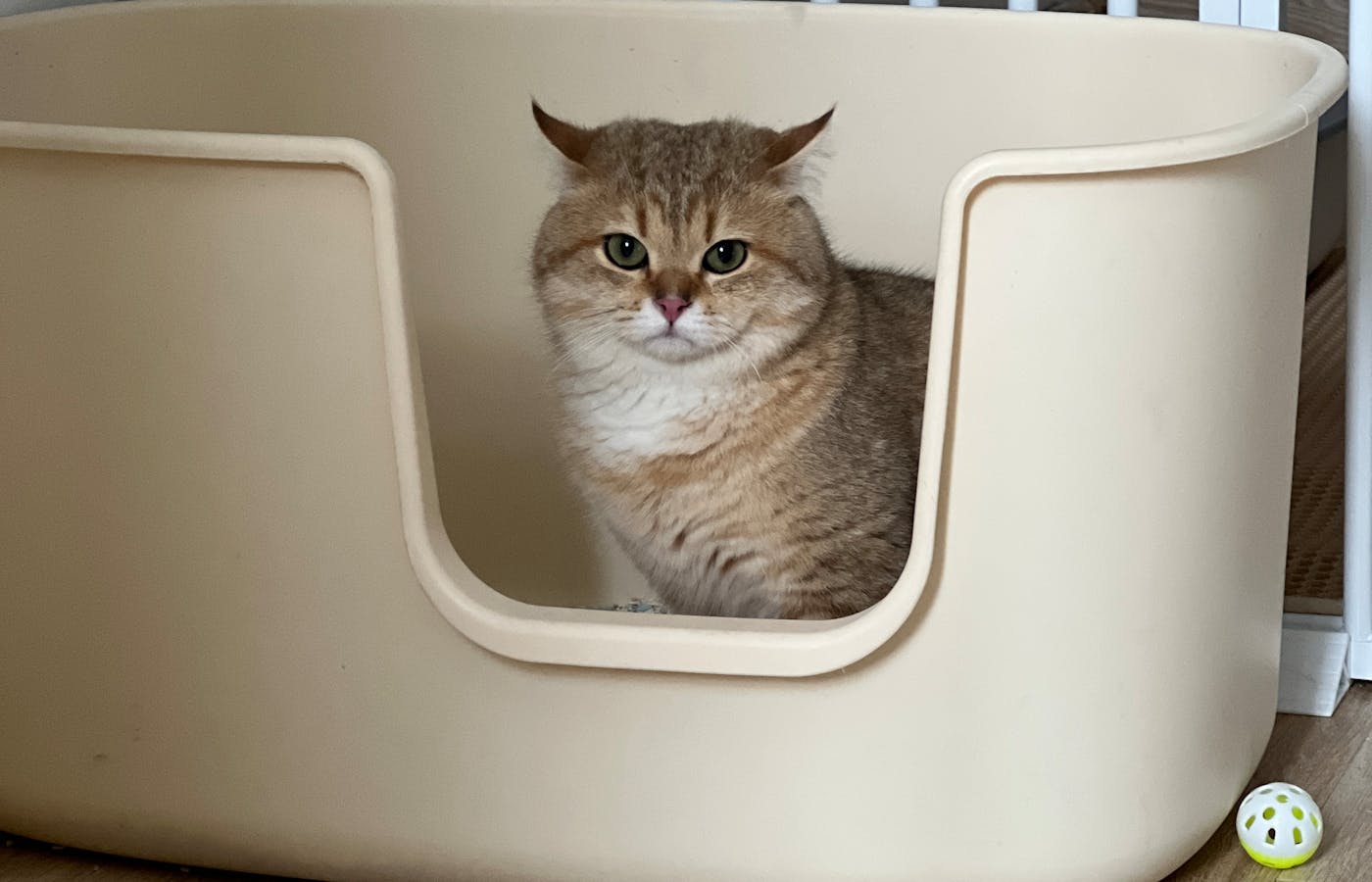
The litter box is not the item to figure out later. Buy at least one low-entry box before bringing the kitten home, especially for a small or young kitten. Tall sides can be useful for adult cats, but kittens need to climb in easily. If the box feels awkward, accidents become more likely.
Choose a litter that is safe for kittens and ask the shelter, breeder, foster, or previous caregiver what the kitten already uses. A sudden litter change can confuse a kitten during an already big transition. If you want to switch later, do it gradually once the kitten is settled.
Useful first-day litter supplies include:
- A low-entry litter box that fits the kitten’s size.
- Kitten-safe litter similar to what the kitten already knows.
- A scoop that is sturdy enough for daily cleaning.
- A small mat if litter tracking becomes a problem.
- Unscented cleaning supplies for accidents.
Skip strong fragrances at first. A clean box matters more than a scented one, and some kittens avoid boxes that smell too intense.
Choose food and water items that are easy to clean
Food and water supplies should be simple, stable, and washable. Stainless steel or ceramic bowls are often easier to clean than lightweight plastic, and they are less likely to hold odors. A shallow bowl can be more comfortable for tiny faces than a deep bowl that presses on whiskers.
Ask what food the kitten is already eating and buy enough to continue it at first. Even if you plan to change brands, the first week is usually not the best time to change everything. A sudden food switch can upset the stomach, and digestive stress is the last thing you want during the adjustment period.
Place water where the kitten can find it easily. Some kittens drink better from a wide bowl, while others eventually prefer a fountain, but a basic clean bowl is enough to begin. Wash bowls daily and keep food storage sealed so the smell stays fresh.
A kitten’s first shopping list should make daily care easier before it tries to be adorable.
Get a safe carrier and a few comfort basics
A carrier is essential before pickup day because the kitten needs a secure way to travel home and later visit the veterinarian. Choose one that closes securely, has good ventilation, and opens wide enough that you can place the kitten inside without wrestling. A top-opening carrier can make vet visits easier, but a sturdy front-opening carrier can also work.
Add a washable towel or small blanket inside the carrier. If possible, ask the previous caregiver whether you can bring home a small cloth with familiar scent. Familiar smell can help the kitten settle during the first night, especially if everything else is new.
You do not need to buy a fancy bed immediately. Many kittens choose a folded blanket, box, soft towel, or quiet corner over the bed you picked. Start with washable comfort items and upgrade later when you know where the kitten likes to sleep.
Keep comfort items easy to wash because the first week can include accidents, food spills, and nervous hiding. A simple blanket that survives the laundry is more useful than a delicate bed that cannot handle real kitten life.
Buy toys and scratchers that match kitten behavior
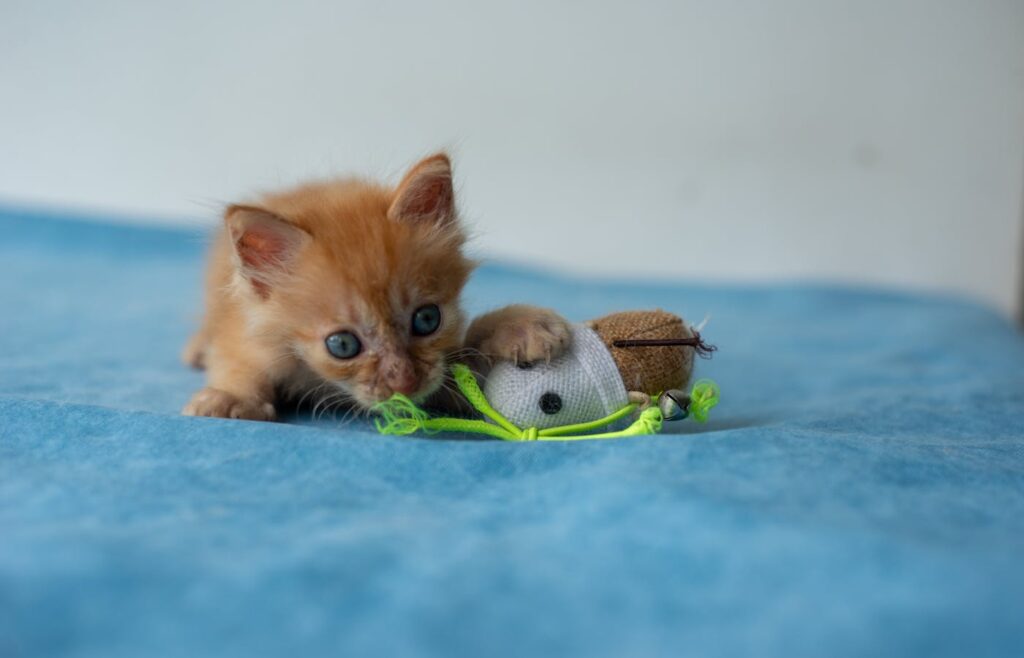
Kittens need play, but safe play matters more than a huge toy basket. Start with a few different textures and styles: a wand toy for supervised play, a small soft toy, a ball that is too large to swallow, and a scratching surface. Avoid strings, loose ribbons, tiny bells, or breakable parts that can become hazards.
Scratching is not bad behavior. It is stretching, scent marking, nail care, and energy release. Buy a small scratching post, cardboard scratcher, or horizontal scratch pad before the kitten arrives so the acceptable option is ready from the first day. Put it near the starter room’s resting area or play area.
Good first toy rules are simple:
- Use wand toys only when you are present.
- Put away toys with strings after play.
- Choose toys too large to swallow.
- Offer at least one scratching surface from day one.
- Rotate toys instead of leaving every toy out all the time.
It is easier to guide a kitten toward the right scratcher early than to fix a furniture habit later.
Know what can wait until after the first week
Some purchases are easier to choose after the kitten has lived with you for a few days. Cat trees, fountains, special beds, automatic feeders, harnesses, treat puzzles, extra grooming tools, and decorative furniture may be useful later, but they are not usually first-hour needs.
Use the first week to observe. Does the kitten climb, hide, chew, scratch vertically, scratch horizontally, sleep high, sleep low, chase toys, or prefer quiet? Those clues help you buy better products. Guessing too early can lead to supplies that look nice but do not solve the kitten’s real needs.
Use this first setup routine:
- Prepare one quiet starter room before pickup day.
- Place litter, food, water, bedding, toys, and scratcher in separate zones.
- Bring the kitten home in a secure carrier.
- Let the kitten explore the room at its own pace.
- Watch what the kitten uses before buying bigger extras.
Knowing what to buy before bringing a kitten home keeps the first week calmer for everyone. Start with litter, food, water, carrier, comfort, safe toys, scratchers, and cleaning basics. Once the kitten shows you its habits, the later purchases become much easier to get right.