
How to Choose the Right Cat Litter for a New Cat
Published Updated

Writer and editor focusing on everyday care and life with a new dog or cat.
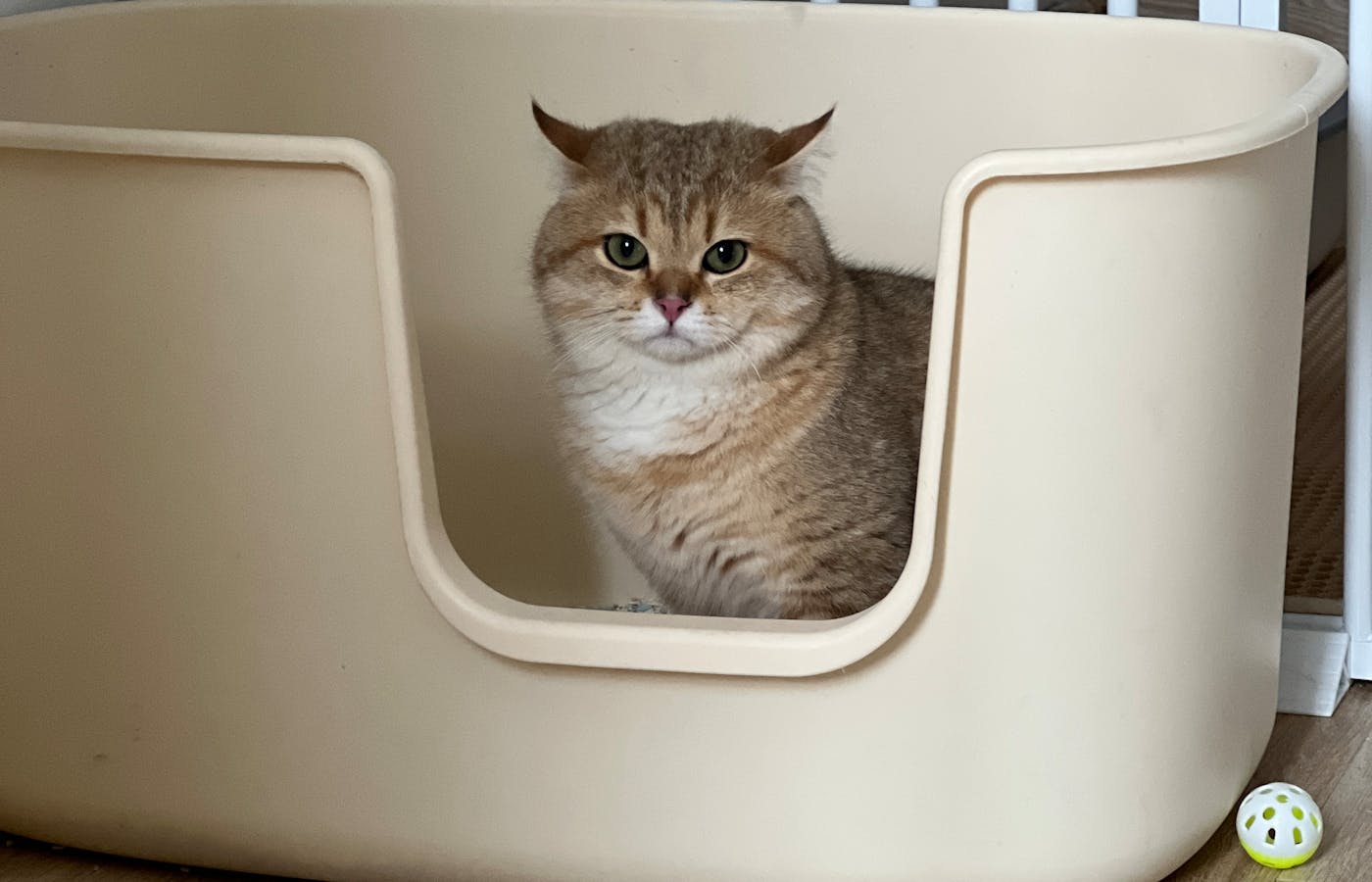
Bringing home a new cat makes every small decision feel bigger than expected. Food, hiding spots, bowls, scratching surfaces, and bedtime all matter, but the litter box is the one routine that can shape the whole first week.
Learning how to choose the right cat litter for a new cat is not about buying the fanciest bag on the shelf. It is about choosing a texture your cat accepts, a dust level your home can handle, and a cleaning rhythm you can actually keep.
I like to start gently with litter because cats are honest critics. If the box feels strange, smells too strong, or sits in the wrong setup, they may simply avoid it. A simple, steady choice usually gives a new cat more confidence.
Start with the litter your new cat already knows
The easiest starting point is the litter your cat used before coming home. If the shelter, rescue, breeder, or previous owner can tell you the exact type, use that for the first week or two. Even if you plan to change later, familiarity can lower stress while the cat is learning a new room, new people, and new sounds.
If you cannot get the exact brand, ask for the general style. Was it clumping clay, non-clumping clay, pine pellets, paper pellets, crystal litter, corn, wheat, or something else? Texture matters more than the label at first. A cat used to soft sand-like litter may reject large pellets because they feel strange under the paws.
Do not change several parts of the setup at once. A new box, new room, new scoop schedule, new household, and new litter can be too much information. Keep the first version boring and predictable. Once the cat is using the box reliably, you can decide whether there is a practical reason to switch.
This is especially important for shy cats. A confident cat may adapt quickly, but a nervous cat may need the litter box to be the one thing that feels familiar while trust is still forming.
Compare litter texture before choosing a brand
Texture is often the first thing a cat notices. Many cats like fine, sand-like litter because it is easy to dig, soft on the paws, and familiar from common clumping clay products. Other cats accept pellets well, especially if they used them before. The problem is that humans usually shop by odor control first, while cats may judge by foot feel.
For a new cat, avoid making texture too dramatic unless you already know the cat accepts it. A sudden switch from fine litter to large pellets may cause hesitation. A sudden switch from pellets to dusty clay may also be uncomfortable for a cat with sensitive paws or breathing issues. Start close to what the cat knows, then test slowly.
| Litter type | What it feels like | Beginner note |
|---|---|---|
| Clumping clay | Fine and sandy | Easy to scoop, but dust varies by brand |
| Paper pellets | Soft larger pellets | Often gentle, but some cats dislike pellet texture |
| Pine pellets | Firm wood pellets | Good for some homes, but transition slowly |
| Crystal litter | Coarse granules | Low tracking for some boxes, but not every cat likes the feel |
When comparing brands, think in small tests. If your cat is already reliable with one litter, do not replace the whole box overnight. Put a little of the new texture in one area, or use a second box if you have space.
Watch dust, scent, and odor control carefully
Dust can be annoying for people and uncomfortable for cats. If a cloud rises every time you pour or scoop, the litter may not be a good fit for a small apartment, a bathroom box, or a cat that already sneezes around the box. Low-dust claims are useful, but your own pour test tells the truth in your home.
Scented litter is another common beginner trap. It may smell pleasant in the aisle, but cats live much closer to the litter than we do. Strong perfume can make the box less inviting, especially in a covered box where odor has nowhere to spread. For many new cats, unscented litter is the safer first choice.
Odor control still matters, but it should come from scooping, box size, litter depth, ventilation, and a material that handles waste well. A strong fragrance can hide a dirty box from people while making it more unpleasant for the cat. That is the wrong trade.
If smell becomes a problem, check the routine before blaming the cat. Scoop at least once daily, wash the box on a reasonable schedule, and replace litter before it becomes damp or stale.
Match the litter to the box and cleaning routine
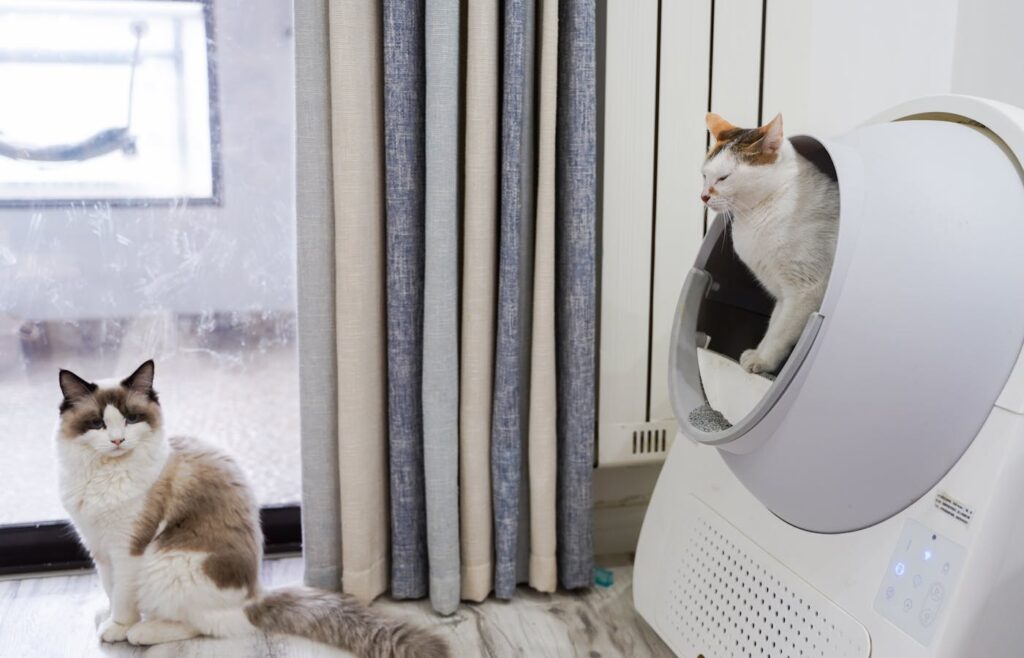
The right litter also depends on the box. A shallow open tray may scatter lightweight litter. A covered box may hold scent and dust. A top-entry box may reduce tracking, but it can be harder for a kitten, senior cat, or larger cat to use comfortably. The litter and the box need to work together.
Depth matters more than many beginners expect. Too little litter can make waste stick to the bottom. Too much litter can slide around, spill over the edge, or make scooping harder. Most cats do well with a steady moderate depth, but the exact amount depends on the litter type and the way your cat digs.
Choose a litter you are willing to maintain. If a product requires frequent full changes, heavy lifting, special disposal, or careful moisture control, be honest about whether that fits your week. A litter that looks good in theory can fail if the cleaning routine is too annoying to repeat.
I would rather see a simple litter scooped consistently than an expensive one managed poorly. Cats notice freshness and sudden changes, so pick a setup you can maintain every day.
Think about tracking before it spreads through the home
Tracking happens when litter sticks to paws and leaves the box. Fine litter often tracks more because small grains travel easily. Some pellets track less, but they may be less comfortable for cats that prefer softer textures. There is no single answer, so the best choice depends on your cat, floor type, box location, and tolerance for cleanup.
If tracking bothers you, solve it in layers. A good litter mat can catch a lot of loose pieces. A box with higher sides can help diggers. A location away from bedding, laundry, and food areas keeps scattered litter from feeling like a bigger problem than it is. The litter itself is only one part of the system.
Be careful not to punish the cat for tracking by making the box harder to use. A tiny entrance, awkward covered design, or uncomfortable mat may reduce mess while also making the box less inviting.
Useful tracking checks include:
- Look at the floor five minutes after your cat leaves the box.
- Check whether litter sticks to long paw fur or only scatters near the tray.
- Notice whether the cat digs wildly because the box is too small or too shallow.
- Test a mat before changing litter if your cat already likes the current texture.
Choose kitten-safe and senior-friendly options when needed
Kittens and senior cats may need extra care when choosing litter. Very young kittens explore with their mouths, so ask a vet or shelter for age-appropriate guidance if you are unsure about clumping litter. The safest choice can depend on the kitten’s age, habits, and whether the kitten is still learning box manners.
Senior cats may need softer texture, lower sides, and a box that does not require jumping or twisting. If an older cat stops using a box after a litter change, do not assume stubbornness. The new texture may hurt, the box may be too hard to enter, or the cat may be connecting the box with discomfort.
Cats with respiratory sensitivity may also do better with low-dust, unscented options. Cats recovering from surgery or paw irritation may need a gentler temporary litter recommended by a professional. The point is to match the litter to the cat in front of you, not to a generic ranking.
When special needs are involved, keep changes simple and track the results. Note whether the cat digs normally, enters without hesitation, covers waste, and returns to the box on schedule.
Change litter slowly if your cat is already using one
If your new cat is already using the current litter well, treat that as useful information. You can still change later, but do it slowly. Sudden switches are one of the easiest ways to create confusion around an otherwise working litter box habit.
A gradual transition lets the cat smell and feel the new litter without losing the old signal. Some cats adjust in a few days. Others need more time. If the cat hesitates, digs less, starts avoiding the box, or has accidents, slow down and return to the last successful mix.
Use this basic transition routine:
- Keep the old litter as the main base for the first several days.
- Add a small amount of the new litter on one side or across the top.
- Watch whether your cat enters, digs, and leaves normally.
- Increase the new litter only if the box habit stays steady.
- Pause the change if avoidance, stress, or accidents appear.
Do not change litter during another stressful event if you can avoid it. Moving rooms, adding a pet, hosting visitors, changing food, and switching litter all at once makes it harder to know what caused a problem.
Keep notes until the litter box routine is steady
The first two weeks are the best time to notice patterns. You do not need a complicated chart, but quick notes can help you understand whether the litter is working. Write down the litter type, box location, scoop schedule, any accidents, and whether your cat seems relaxed when using the box.
Look for consistency. A good fit usually means the cat enters without long hesitation, digs normally, uses the box regularly, and leaves without rushing away in distress. Some cats are naturally tidy and some are not, so compare your cat to itself.
If accidents happen, avoid jumping straight to blame. The issue may be stress, box placement, cleanliness, pain, another pet blocking access, or a litter texture the cat dislikes. Sudden bathroom changes can also deserve a vet call, especially if the cat strains, cries, urinates very little, or seems uncomfortable.
Repeated straining with little or no urine, or an inability to urinate, is an emergency: seek veterinary care immediately. Contact the clinic promptly for other new urinary changes.
The right litter is the one your cat will use and you can maintain. Start with familiarity, protect the habit, and make changes slowly. That calm approach gives your new cat a cleaner path into the home and gives you fewer messy mysteries to solve later.
Sources and further reading
- Cornell litter box guidance: Litter preferences and gradual changes.
- Cornell urinary emergency guidance: Little or no urine with repeated straining needs immediate care.

Keep this guide handy
Save this article for later. Read the guide above for the details and cautions.
Save to Pinterest (opens in a new tab)