Pet Grooming Basics for New Owners
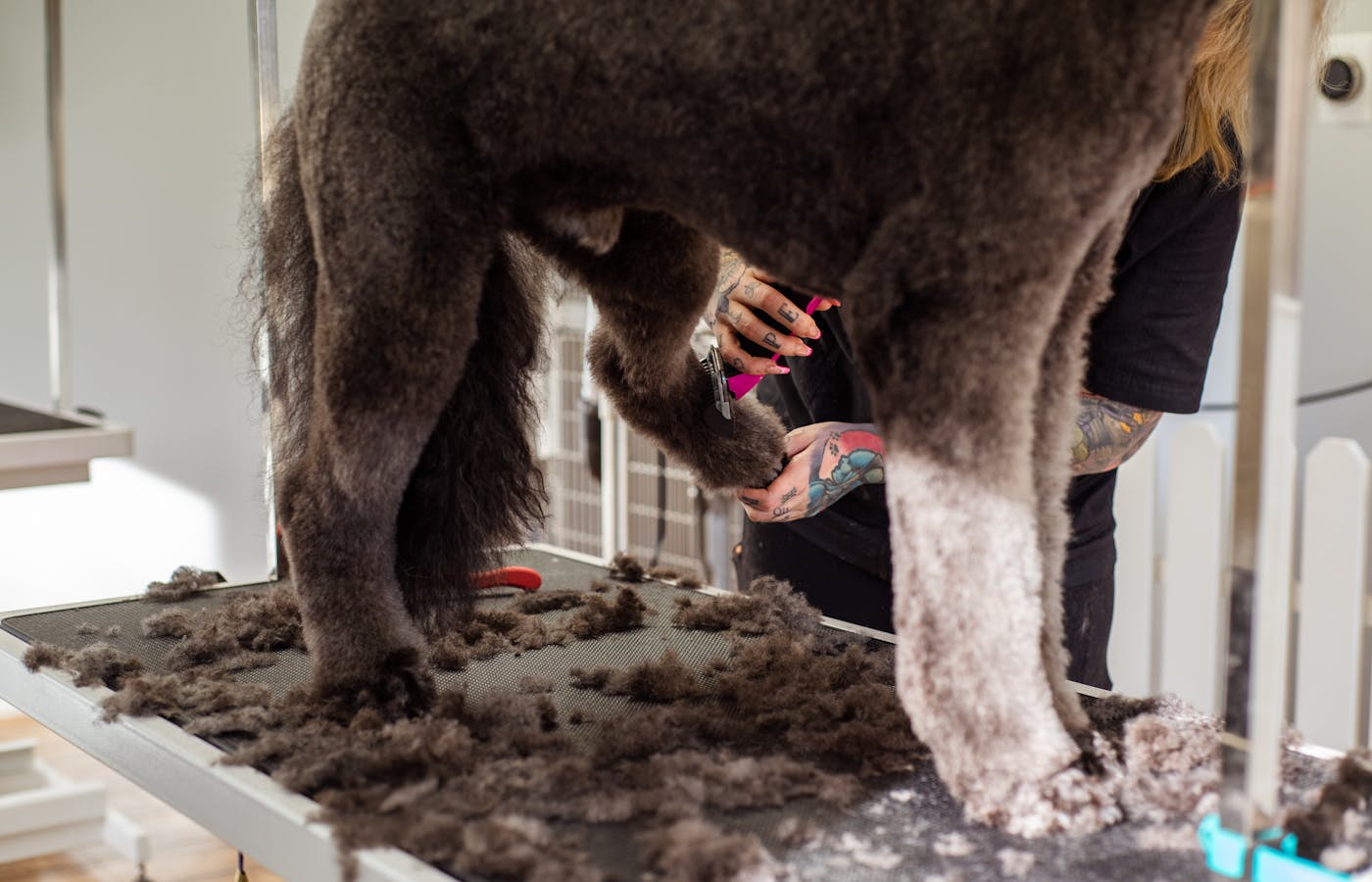
Grooming is not only about making a pet look tidy. For a new owner, it is also a regular chance to notice mats, sore spots, ticks, overgrown nails, ear changes, skin irritation, and stress signals. Short, calm sessions teach more than one long session that everyone wants to escape or avoid next time. For general care decisions, AVMA pet-care guidance is a reliable outside check before turning a habit into a routine.
Pet grooming basics should fit the animal in front of you. A short-haired cat, a double-coated dog, a nervous rescue pet, and a muddy puppy do not need the same routine. The safest starting point is gentle handling, the right tool for the coat, and a willingness to stop before the pet panics, freezes, or shuts down completely during handling.
Match the grooming routine to coat type and comfort
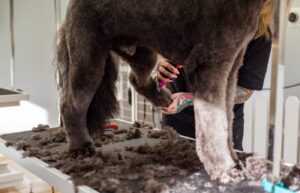
Coat type changes the routine. Short coats may need a soft brush or grooming mitt to remove loose hair. Long coats often need more frequent brushing because tangles can tighten into mats. Curly or dense coats may need professional grooming on a schedule, especially around the face, feet, and sanitary areas.
Comfort matters just as much as fur. A pet that freezes, pants, hides, growls, swats, or keeps trying to leave is telling you the session is too much. Shorten the session, use treats, and work on one body area at a time. Progress can be one calm minute today and two calm minutes later.
Age and health change the plan too. Puppies and kittens need gentle practice more than perfect results. Senior pets may need softer surfaces, shorter sessions, and more patience around stiff joints. Pets with skin disease, ear trouble, wounds, or pain should be handled under veterinary guidance instead of treated as a normal grooming challenge.
| Pet need | Beginner starting point |
|---|---|
| Short coat | Soft brush or grooming mitt |
| Long coat | Comb plus gentle detangling checks |
| Curly coat | Regular brushing and groomer planning |
| Nervous pet | Brief handling practice with rewards |
Brush before mats become a painful problem
Brushing is the easiest grooming habit to practice at home. Start where the pet already accepts touch, such as the shoulders or back, then slowly include areas that tangle: behind ears, under collars, armpits, chest, tail base, and back legs. Never yank through a knot. Hold the fur near the skin and work gently from the outer edge.
Mats are not just messy. Tight mats can pull skin, hide irritation, and make bathing worse because water can tighten them further. If a mat is close to the skin, large, painful, or in a sensitive area, a professional groomer or veterinarian is safer than scissors at home.
For cats, keep sessions especially short at first. Many cats tolerate a few gentle passes better than a full-body brushing. End while the cat is still calm if possible. That ending teaches the brush is not a trap.
Use the tool lightly enough that it does not scrape skin. If the brush fills with hair quickly, pause and clear it rather than dragging a packed brush through the coat. The sound and pressure of grooming matter to animals, especially when they are still learning the routine.
Handle paws and nails before trimming is urgent
Nail care becomes harder when the only paw handling happens during a stressful trim. Practice touching paws without clipping. Lift one paw, touch one toe, give a reward, and stop. Over time, this makes the clipper or grinder less surprising because the pet already understands paw contact.
When trimming, remove tiny amounts and watch for the quick, the sensitive blood vessel inside the nail. Dark nails can be harder to judge. If you are unsure, ask a groomer, veterinary technician, or veterinarian to demonstrate. A bad nail trim can make future grooming harder, so caution is worth it. Keep the same low-stress mindset for other first-week routines, including setting up a new cat litter box in a quiet, predictable spot.
Some pets do better with one or two nails per session. That may sound slow, but it can prevent a full struggle. Pair the tool with a reward, let the pet sniff it, touch the nail without cutting, and build the habit in layers. The routine becomes easier when the pet predicts a calm ending.
- Use sharp pet nail tools, not dull household clippers.
- Trim in a bright area.
- Keep styptic powder nearby for minor bleeding.
- Stop if the pet becomes highly stressed or defensive.
Check ears, skin, teeth, and body condition gently
Routine grooming is a chance to notice changes early. Look at ears for unusual odor, heavy debris, redness, swelling, or repeated head shaking. Run hands over the body for lumps, scabs, tender areas, fleas, ticks, or skin flakes. Lift lips briefly if the pet allows it and look for heavy tartar, red gums, or broken teeth.
Do not dig into ears or use products without guidance if there is pain, discharge, or a strong smell. Ear problems can be uncomfortable and may need veterinary care. The same goes for sudden hair loss, open sores, intense itching, or a pet that reacts sharply when touched.
Body checks are easier when they follow the same order each time. Start at the head, move along the back, check legs and paws, then finish with the tail area if the pet allows it. A repeated order helps you notice changes because your hands are not randomly skipping spots.
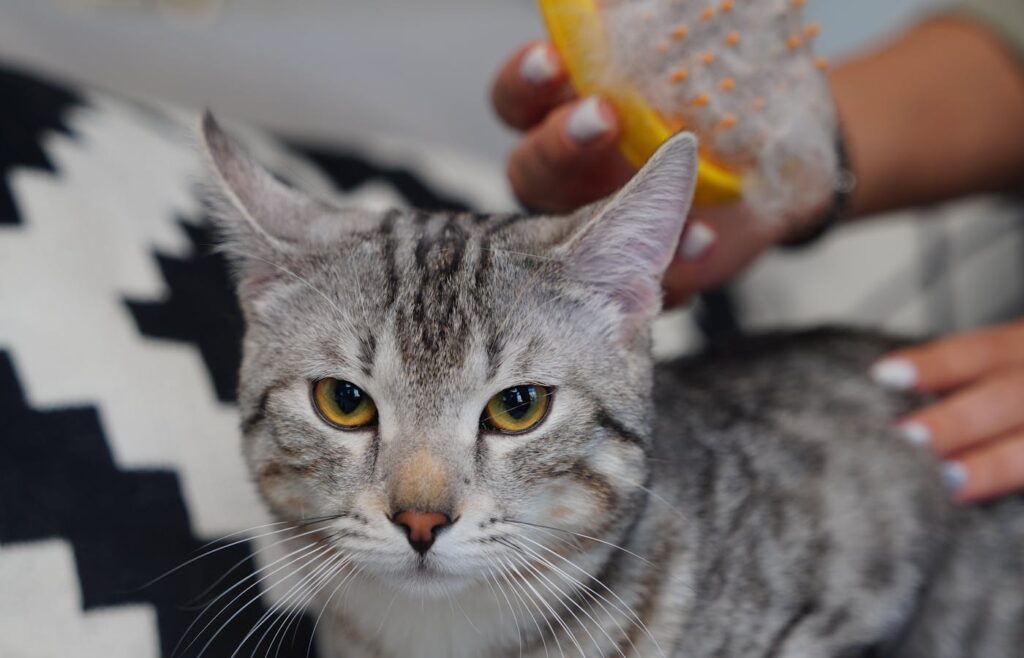
Good grooming should make the next session easier, not teach the pet to fear the brush.
Use baths only when they actually help
Not every pet needs frequent baths. Dogs that roll in dirt, swim, or have oily coats may need bathing more often than indoor cats or clean short-haired pets. Too many baths can dry skin, especially with harsh shampoo. Use pet-safe shampoo, lukewarm water, and a non-slip surface.
Brush before bathing if the coat tangles. Put towels within reach before water starts. Keep water away from ears and eyes, rinse thoroughly, and dry the pet enough that it does not stay chilled. If bathing causes panic, consider a groomer, a damp cloth cleanup, or gradual bath training instead of forcing the whole event.
- Skip human shampoo.
- Rinse longer than you think you need.
- Dry skin folds and thick coats carefully.
- Call a veterinarian for skin problems that keep returning.
Make grooming a small routine instead of a rare battle
A simple weekly routine can cover the basics: brush the coat, check ears, touch paws, look at nails, scan skin, and note anything unusual. Some pets need more brushing; others need very little. The routine should be consistent enough that changes stand out.
Keep grooming supplies together: brush, comb, nail tool, towel, treats, pet-safe wipes if used, and any product recommended by your veterinarian. Choose a quiet time when the pet is not already excited or exhausted. Calm timing does not solve everything, but it gives the routine a better chance.
If grooming reveals pain, sudden behavior changes, skin wounds, heavy parasites, or signs of illness, pause the home routine and get professional help. Basic grooming is useful, but it should never replace medical care when something looks wrong.
Keep notes for recurring issues. If the same ear smells bad every month, or the same spot mats within days, that pattern deserves attention. Grooming notes can also help a professional groomer understand what the pet tolerates and where the routine usually gets difficult.