How to Keep Your Pet Hydrated at Home
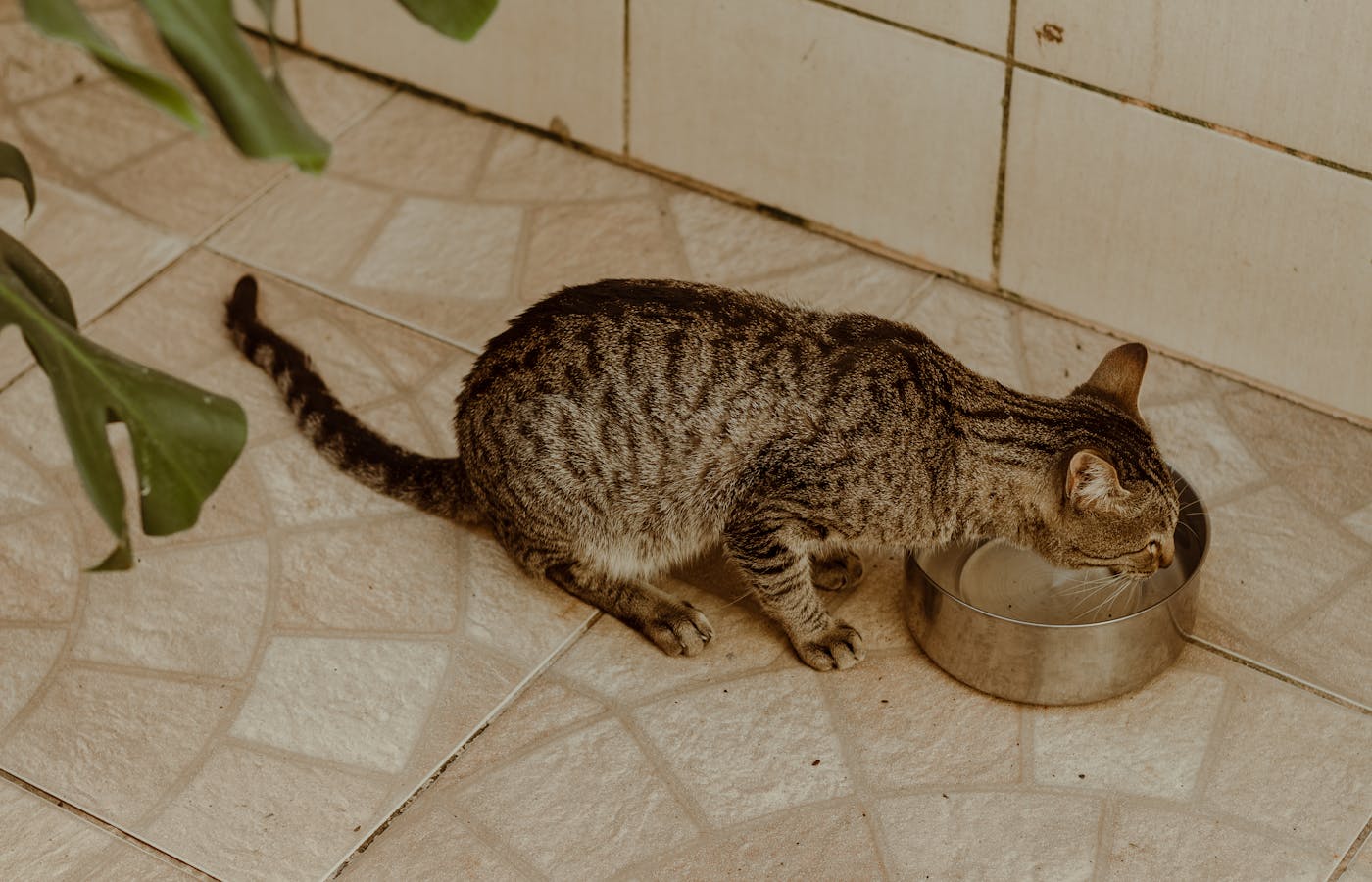
Fresh water looks like the simplest part of pet care, which is exactly why it gets overlooked. A bowl is filled in the morning, the day gets busy, and by evening the water may be warm, low, dusty, or sitting in a place the pet avoids. Learning how to keep pets hydrated starts with making water easy to find, easy to drink, and easy to keep clean.
Most homes do not need a complicated hydration setup. They need reliable bowl placement, a cleaning rhythm, a little attention during hot weather, and a habit of noticing what is normal for each pet. Cats, dogs, older pets, and active pets may all use water differently.
The best hydration routine is the one your pet actually uses without being coaxed every time. If the bowl is ignored, the setup needs adjusting before you assume the pet simply is not thirsty.
Put water where your pet already spends time
Water bowls are easier to use when they are part of the pet’s normal path. A bowl tucked in a laundry room, noisy kitchen corner, or tight hallway may technically be available but still be easy to ignore. Watch where your pet rests, eats, enters the house, and waits for attention. Those patterns often show the best places for water.
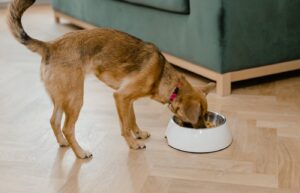
For dogs, one main indoor bowl may be enough if it is easy to reach and checked often. For cats, multiple quiet water spots can help, especially in larger homes or homes with more than one pet. Some cats dislike drinking near food, litter boxes, or high-traffic areas. A small move can make a big difference.
Water should also be easy to access for older pets. If stairs, slippery floors, or high bowl edges make drinking awkward, the pet may drink less. A low, stable bowl in a comfortable spot is often more useful than a fancy bowl in the wrong location.
Keep bowls clean enough that water stays appealing
Pets notice stale water more than people sometimes realize. Drool, food crumbs, dust, hair, and biofilm can build up quickly, especially in warm rooms or shared bowls. A bowl that looks mostly fine from across the room may still smell or feel unpleasant to a sensitive pet.
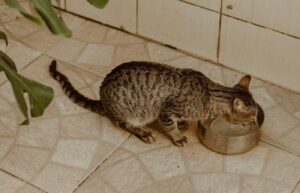
Wash bowls daily when possible, and refill with fresh water instead of simply topping off old water. Stainless steel, ceramic, or glass bowls are often easier to clean than scratched plastic. If you use a fountain, clean the pump and filter on schedule because moving water can still collect slime and debris.
| Water setup | Good use | Watch for |
|---|---|---|
| Stainless bowl | Daily indoor drinking | Water spots and food crumbs |
| Ceramic bowl | Stable cat or small dog station | Cracks or chips |
| Pet fountain | Pets that like moving water | Filter and pump cleaning |
| Outdoor bowl | Yard or patio time | Heat, dirt, insects, and tipping |
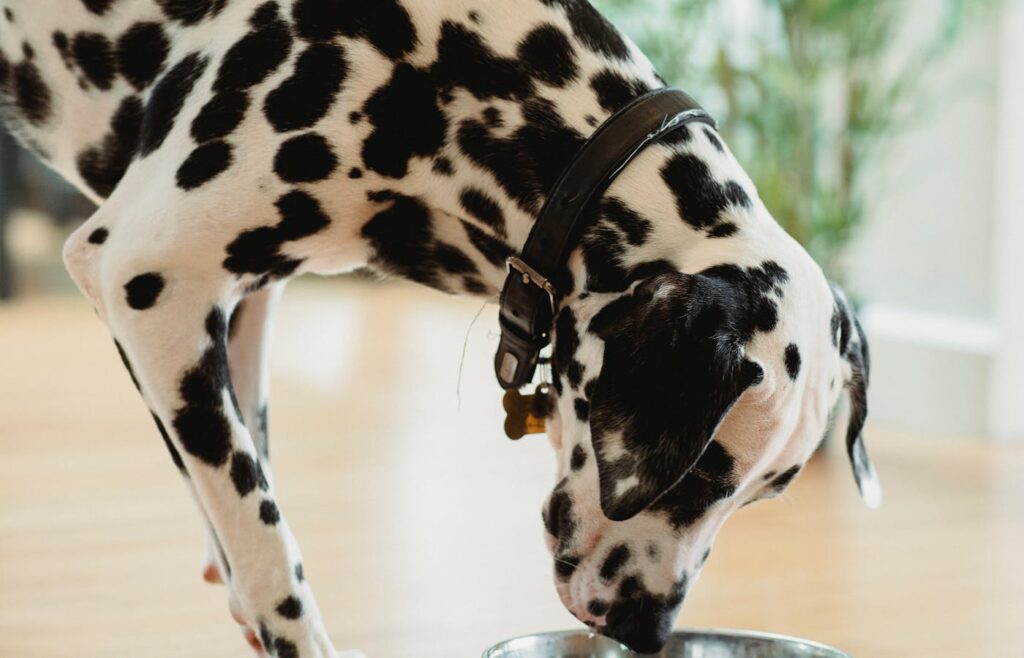
Fresh water is not just about filling the bowl; it is also about keeping the bowl inviting.
Notice your pet’s normal drinking pattern
Hydration routines are easier when you know what normal looks like. Some pets drink several small times a day. Others drink more after walks, play, meals, or naps. Cats on wet food may drink less visible water than cats eating mostly dry food. Dogs may drink more after exercise or during warm weather.
Instead of obsessing over every sip, look for changes. A bowl that is suddenly empty much faster than usual, a pet that stops visiting the water station, or water intake that changes along with low energy, vomiting, diarrhea, or appetite changes deserves attention. Those signs are not something to solve with internet guessing.
Use the bowl as a daily clue. When you refill it, notice whether the water level matches the day your pet had. A quiet indoor day and a hot active afternoon should not look exactly the same.
Use food moisture when it fits your pet’s diet
Water bowls are the main hydration tool, but food moisture can help some pets too. Wet food contains more moisture than dry food, and some pets respond well when a little water is mixed into meals. This can be useful for pets that do not visit the bowl often, but it should fit the pet’s diet and any guidance from a veterinarian.
Do not make sudden food changes just to increase moisture. Introduce changes slowly and watch digestion. If your pet eats prescription food, has a medical condition, or has a history of urinary or kidney issues, ask the vet before changing the feeding routine. Hydration support should not create a new problem.
- Add fresh water bowls before changing the diet.
- Use wet food only if it suits the pet’s normal feeding plan.
- Mix a small amount of water into food only if the pet accepts it.
- Clean food bowls promptly when meals include extra moisture.
- Ask a vet before changing food for a pet with health concerns.
The simple version is best: make drinking easier first, then consider food moisture if the pet’s routine supports it.
Plan extra water for heat, walks, and outdoor time
Outdoor time changes hydration needs quickly. Dogs that walk, play, or sit in the yard on warm days should have water before, during, and after activity. Cats with access to enclosed patios or warm sunny rooms may also need a nearby bowl that stays cool and clean.
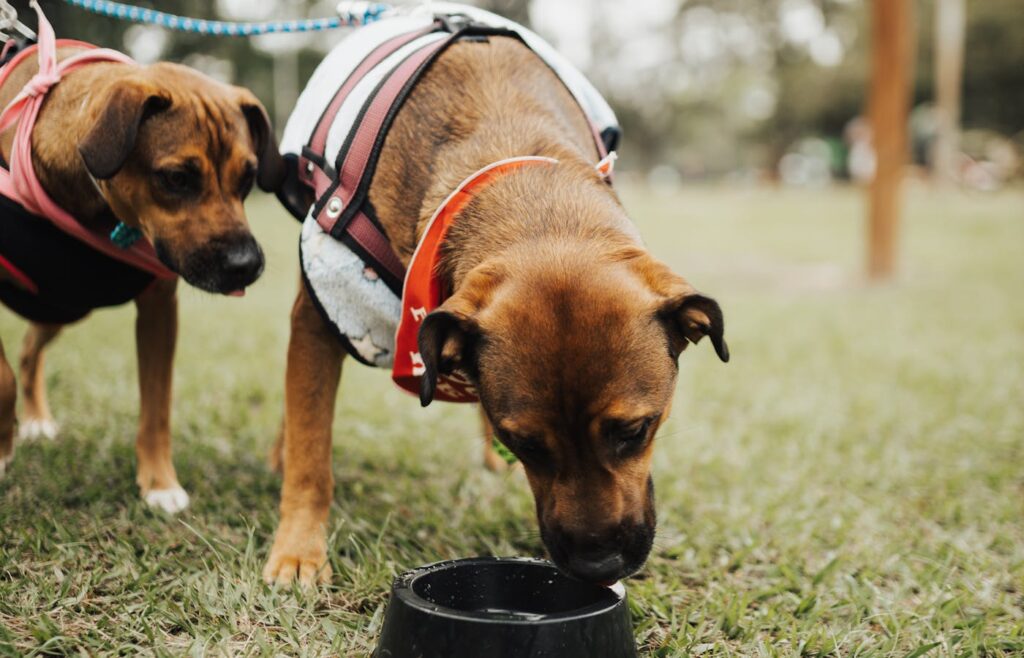
Do not rely on puddles, pools, toilets, or random outdoor containers as water sources. They can be dirty, treated with chemicals, or unsafe. Bring a travel bottle or collapsible bowl for walks, car rides, park visits, and long errands. At home, place outdoor bowls in shade and check them often because heat, insects, grass, and dirt can change the water fast.
Hot weather is also a time to watch behavior. Heavy panting, weakness, confusion, vomiting, or collapse are urgent signs. If a pet seems overheated or unwell, contact a veterinarian or emergency clinic instead of trying to handle it as a normal hydration issue.
Make a daily water check part of pet care
A hydration routine is easier to keep when it is tied to things you already do. Refill the bowl at breakfast, check it after work, and wash it at night. If there are multiple pets, check whether one pet blocks access, drinks most of the water, or plays with the bowl so others avoid it.
Use this daily water pass:
- Rinse and refill the main water bowl in the morning.
- Check secondary bowls in quiet rooms or sleeping areas.
- Notice whether the water level looks normal for the day’s activity.
- Refresh bowls after walks, play, or hot outdoor time.
- Wash bowls before residue or slime builds up.
- Move a bowl if your pet avoids it for more than a day.
This routine takes less than a few minutes, but it catches most household problems before the bowl becomes stale, empty, or ignored.
Know when hydration changes need a vet call
Some hydration changes are ordinary. A dog may drink more after a long walk. A cat may drink less visible water after eating wet food. A pet may drink more on a hot day. The concern is a clear change from the pet’s normal pattern, especially when it appears with other symptoms.
Call a veterinarian if your pet suddenly drinks much more or much less than usual, refuses water, cannot keep water down, seems weak, has repeated vomiting or diarrhea, urinates very differently, or shows signs of overheating. Hydration is connected to health, so major changes should not be treated as a bowl-placement problem.
Better water access is home care; sudden drinking changes can be a health clue.
Keeping pets hydrated at home is mostly about making water easy, clean, and normal. Put bowls where your pet naturally goes, wash them often, notice the usual drinking pattern, plan for heat and activity, and use food moisture only when it fits. A simple routine gives you cleaner bowls, calmer care, and a better chance of spotting changes early.