How to Prevent Pets from Escaping at the Door
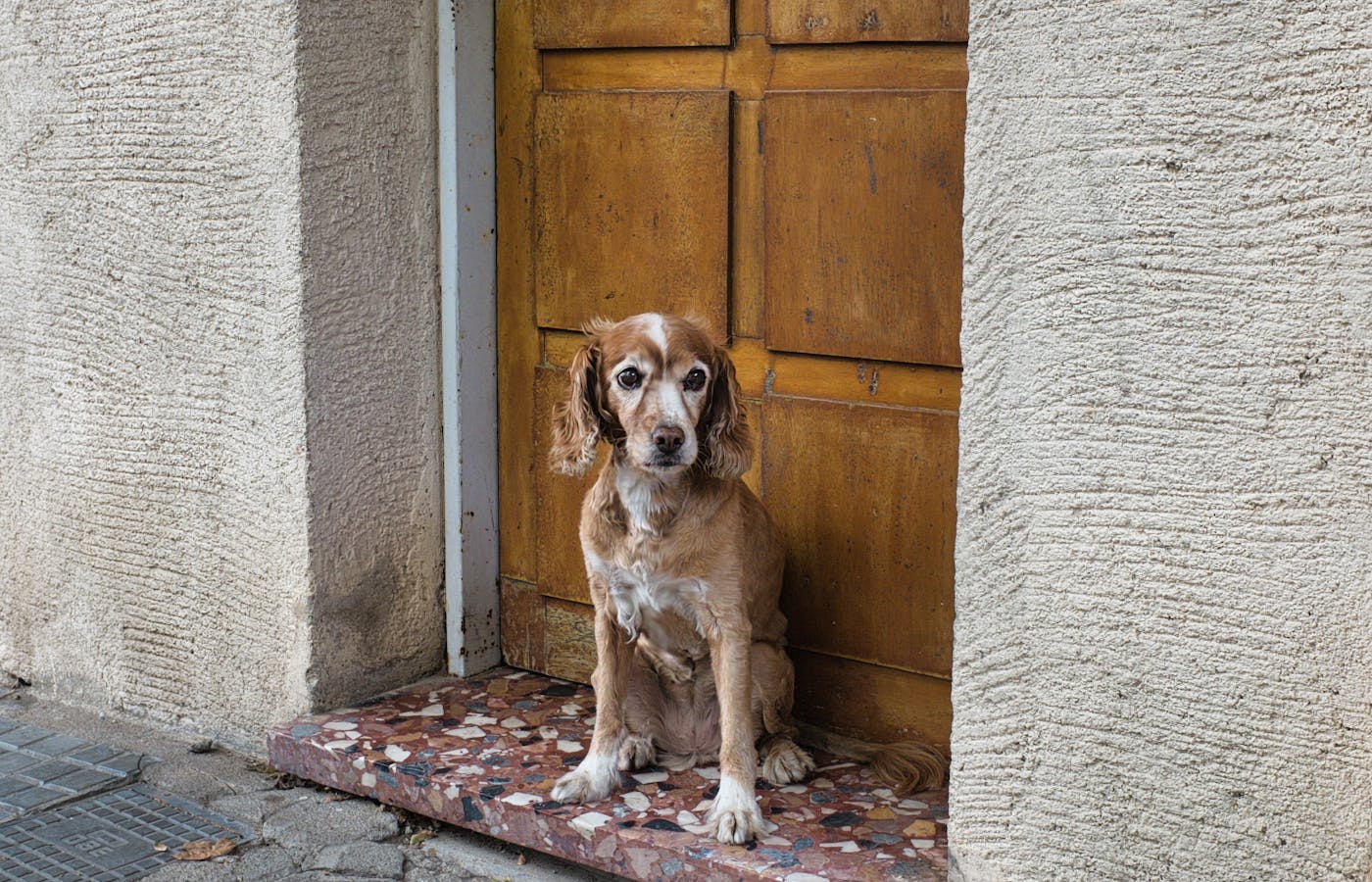
A pet escape often starts with an ordinary moment. Someone opens the front door with groceries in one hand, a guest steps in slowly, a delivery person waits on the porch, or a child forgets to close the latch. The opening lasts only a few seconds, but that is enough for a fast dog or curious cat to slip through.
Microchip registries and veterinary clinics can only help quickly when the contact details are current. Door safety should include training and barriers, but it also needs identification, recent photos, and a plan for who searches first if the pet gets out.
Learning how to prevent pets from escaping at the door is less about one perfect command and more about layers. A safer doorway has habits, barriers, training cues, identification, and clear rules for people. When those layers work together, the door stops being a surprise exit and becomes a managed space.
Start by finding the moments when the door becomes risky
The best prevention starts with knowing when your pet is most likely to move toward the door. Some pets rush every time a bell rings. Others wait quietly until someone is distracted. A cat may sneak low along the wall, while a dog may jump forward when a familiar person arrives. The pattern matters because the fix should match the behavior.
Watch the entry area for a few days without trying to solve everything at once. Notice what happens during deliveries, school pickups, trash trips, visitors, leash walks, and quick checks of the mailbox. Also notice which person in the house accidentally creates the most open-door time. This is not about blame. It is about finding the weak part of the routine.
Pets often learn tiny signals. Keys, shoes, a purse, a doorbell, or the sound of a gate may tell them that something interesting is about to happen. If those signals always lead to excitement, the doorway becomes more tempting. If the same signals lead to a calm place, the risk drops.
I like writing down the top two risky situations. A focused plan for the delivery door and the guest arrival door usually works better than a vague rule that says everyone should be careful.
Use barriers to prevent door escapes before relying on training
Training helps, but a physical backup is what protects a pet when people are tired, distracted, or new to the house. A second barrier can be a baby gate, exercise pen, closed hallway door, crate, mudroom door, screen door, or even a leash clipped before the main door opens. The point is to prevent one open door from becoming immediate outdoor access.
For many homes, the easiest barrier is a gate a few feet inside the entry. It gives people room to step in while the pet stays behind a controlled line. If your layout does not allow a gate, use a nearby room as a holding area during predictable busy times. The best barrier is the one your household will actually use every day.
Barrier choice depends on the pet. A tall jumper may need a closed room instead of a low gate. A cat may slip through wide bars or climb a soft barrier. A nervous dog may do better behind a door where guests are not staring at them. Match the barrier to the animal in front of you, not the product photo.
| Doorway risk | Helpful barrier | Why it helps |
|---|---|---|
| Fast dog at front door | Interior gate or leash | Adds a pause before the exit |
| Cat near entry | Closed room or hallway door | Removes the direct path outside |
| Frequent deliveries | Crate or safe room | Keeps the door routine predictable |
A barrier should feel normal before it is needed. Practice using it during quiet times so your pet does not connect it only with visitors, stress, or being separated from the action.
Teach a doorway cue that means move back, not rush forward
A doorway cue gives your pet a job. Instead of only saying “no” while the door opens, teach a clear behavior such as go to mat, wait, back up, sit, or place. The cue should happen before the door opens, not after the pet has already started moving. Timing is what makes the routine useful.
Start far from the exciting door. Reward the pet for moving to a mat, sitting near a gate, or staying behind a line while nothing dramatic is happening. Then add small doorway sounds: touching the handle, opening the door one inch, closing it, and rewarding calm behavior. Build slowly so the cue stays understandable.
Dogs often do well with a mat or place cue because it gives them a visible target. Cats may respond better to a treat station, perch, or closed-room routine. The goal is not to make every pet behave like a trained service animal. The goal is to create a repeatable pause that gives people time to manage the door.
A reliable door cue is built in tiny calm repetitions. If practice only happens during chaos, the pet learns that the doorway is always exciting. Quiet practice teaches the opposite.
Make guest and delivery rules simple enough to follow
Visitors are one of the hardest parts of door safety because they do not know your pet’s habits. A guest may hold the door open while talking, bend down to greet the dog, or assume the cat will stay inside. Delivery drivers may leave packages quickly, ring the bell, or wait near the threshold. Simple rules help people act correctly without a long explanation.
Use plain language before the door opens. Say, “Please wait while I secure the pets,” or “Do not open the door until I say ready.” If guests visit often, put a small sign near the entry that reminds people to close the door fully. The sign is not a decoration; it is a backup for busy moments.
Useful rules include:
- Secure pets before opening the main door.
- Ask guests to wait outside until the barrier is in place.
- Keep greetings away from the threshold.
- Do not let children manage the door during arrivals.
- Check that the latch closes after every entry.
For deliveries, consider leaving instructions that reduce door interaction. A package spot away from the doorbell, a covered bin, or a no-knock note can lower the number of exciting doorway events. Less excitement means fewer chances for a mistake.
Check collars, microchips, and photos before there is a problem
Prevention matters most, but identification is the safety net. A pet that never usually runs can still slip out during a storm, party, repair visit, or moving day. Updated ID makes the difference between a frightening search and a faster return. This step is easy to delay because it feels less urgent when the pet is already indoors.
Check the collar fit and tag information. The tag should have a current phone number and any detail that helps someone contact you quickly. If your pet is microchipped, confirm that the registration is active and connected to your current phone and address. A chip with outdated contact information is much less useful.
Keep recent photos on your phone that show your pet’s face, body, markings, and size. If a pet escapes, you do not want to search through old photos while stressed. Clear pictures help neighbors, shelters, and local groups recognize the animal quickly.
This is also a good time to think about collar safety. Some cats need breakaway collars. Some dogs need stronger hardware. The right setup depends on the pet’s size, behavior, and environment. Identification should help without creating a new risk.
Build a calm routine to prevent pets escaping through the door
Doorway safety improves when the routine is boring. Pets learn from repetition, so the same small sequence should happen whether you are leaving for work, bringing in groceries, or welcoming a friend. If the door sometimes means chaos and sometimes means calm, the pet will keep testing it.
Use this basic routine:
- Move the pet behind a gate, into a room, onto a mat, or onto a leash.
- Pause until the pet is calm enough to stay there.
- Open the door only as much as needed.
- Step through or let the visitor enter without doorway greetings.
- Close and latch the door fully.
- Release or reward the pet away from the threshold.
The release point matters. If the reward always happens right beside the open door, the pet still has a reason to crowd the threshold. Rewarding away from the doorway teaches that good things happen inside, not at the exit line.
Keep the routine short. A complicated safety plan will fall apart when someone is carrying bags or answering the door in a hurry. The best routine is simple enough that every adult in the home can repeat it without thinking too hard.
Recheck the setup when life changes
Door escape risk changes with the household. A new puppy, newly adopted cat, visiting relatives, repairs, a move, a baby gate removed from the hallway, or a pet that has become more confident can all change the doorway pattern. What worked last season may not be enough now.
Review the setup after any change in routine. If your pet starts waiting closer to the door, barking at deliveries, hiding near the entry, or pushing past legs, treat that as useful information. The system may need a better barrier, more practice, or clearer rules for guests. Small adjustments are easier than searching for a pet outside.
Also recheck the physical door. Loose latches, slow-closing storm doors, torn screens, and gates that do not lock properly can quietly weaken the whole plan. A trained pet still deserves a door that shuts correctly. Hardware is part of pet safety, not just home maintenance.
Preventing door escapes is about layers that support each other. Identify the risky moments, add a second barrier, teach a calm cue, simplify guest rules, keep ID updated, and repeat the same doorway routine. When the door becomes predictable, pets have fewer chances to turn a normal household moment into an emergency.