

Pet Safety
How to Prevent Pets from Escaping at the Door
Reduce door escapes with secure barriers, household habits and reward-based practice away from an open exit.
Page 4
Reduce door escapes with secure barriers, household habits and reward-based practice away from an open exit.
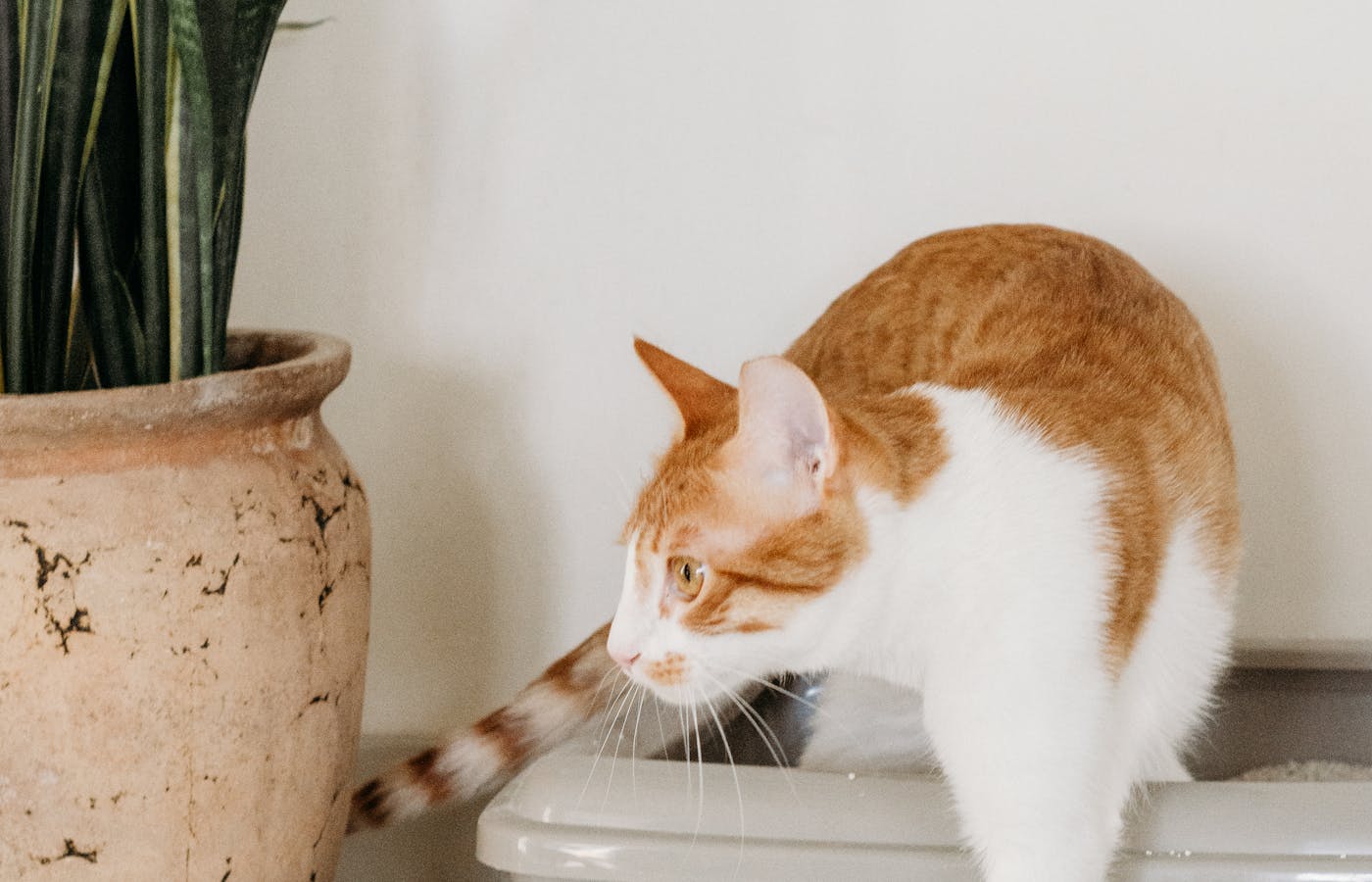
Plan daily scooping and litter box washing around the litter and your cat's needs, with changes that need medical attention.

Manage loose cat hair with gentle brushing, washable resting areas and regular cleaning while watching skin and coat changes.
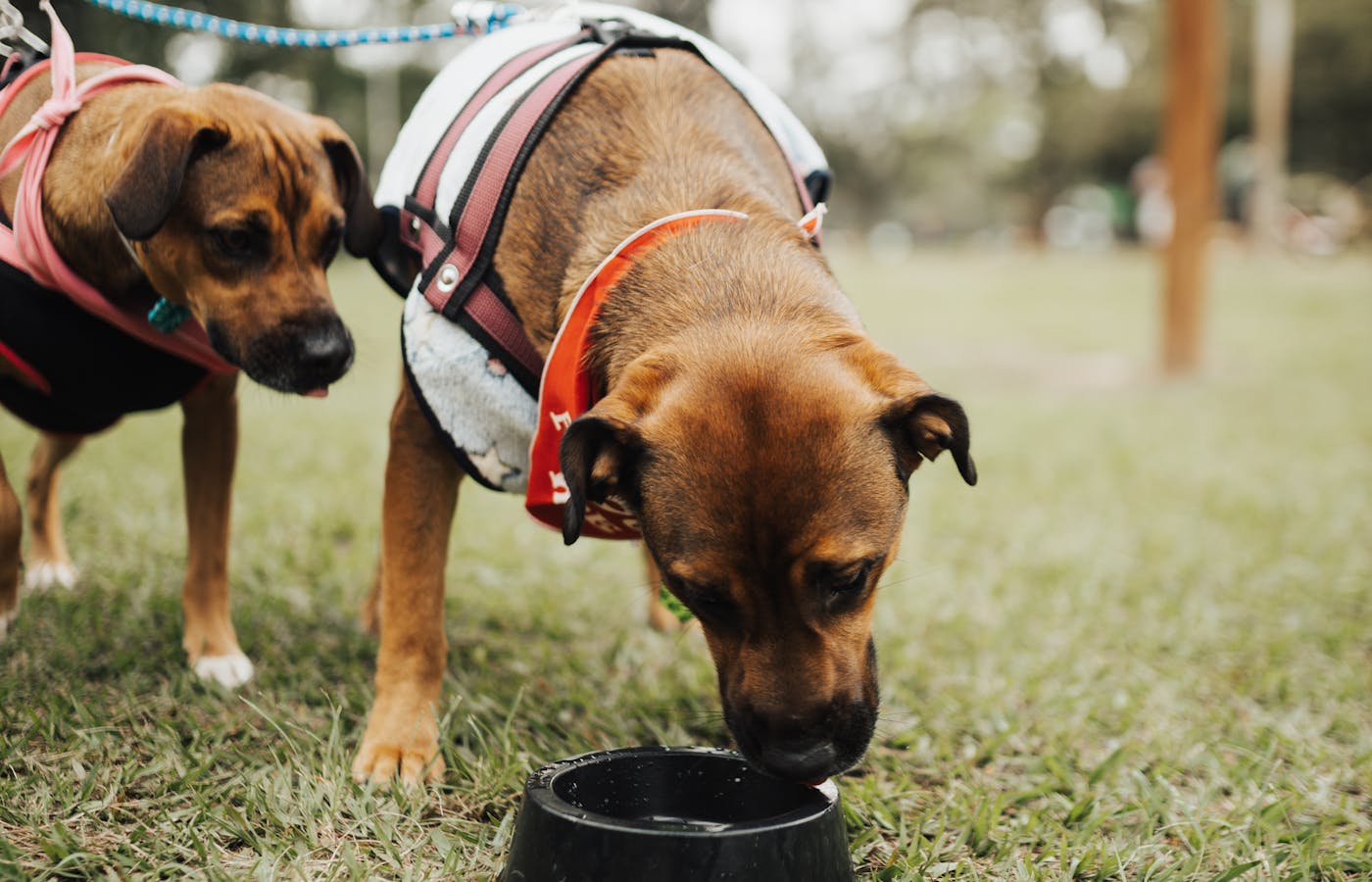
Plan cooler activity, shade, water and safe transport for pets in hot weather, and recognize signs that need urgent care.

Identify plants before bringing them home, prevent access to risky leaves and soil, and prepare for suspected plant exposure.

Give a cat safe outlets for sudden bursts of activity and distinguish familiar play from a new or concerning behavior change.
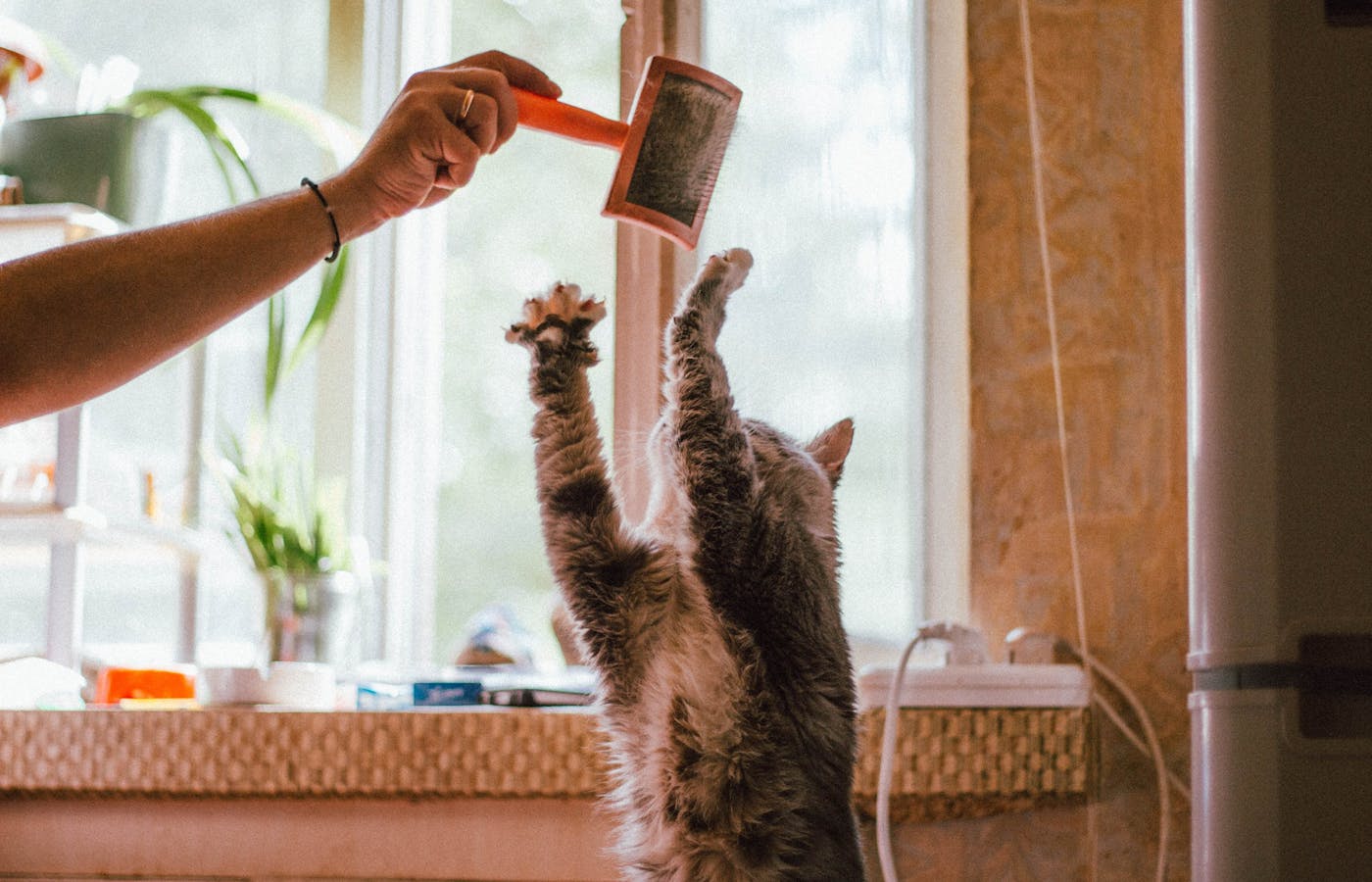
Start short, gentle cat grooming sessions with suitable tools, stopping before handling becomes uncomfortable or unsafe.

Choose a quiet starter area for a new dog or cat, with safe boundaries, familiar resources and room to avoid unwanted contact.
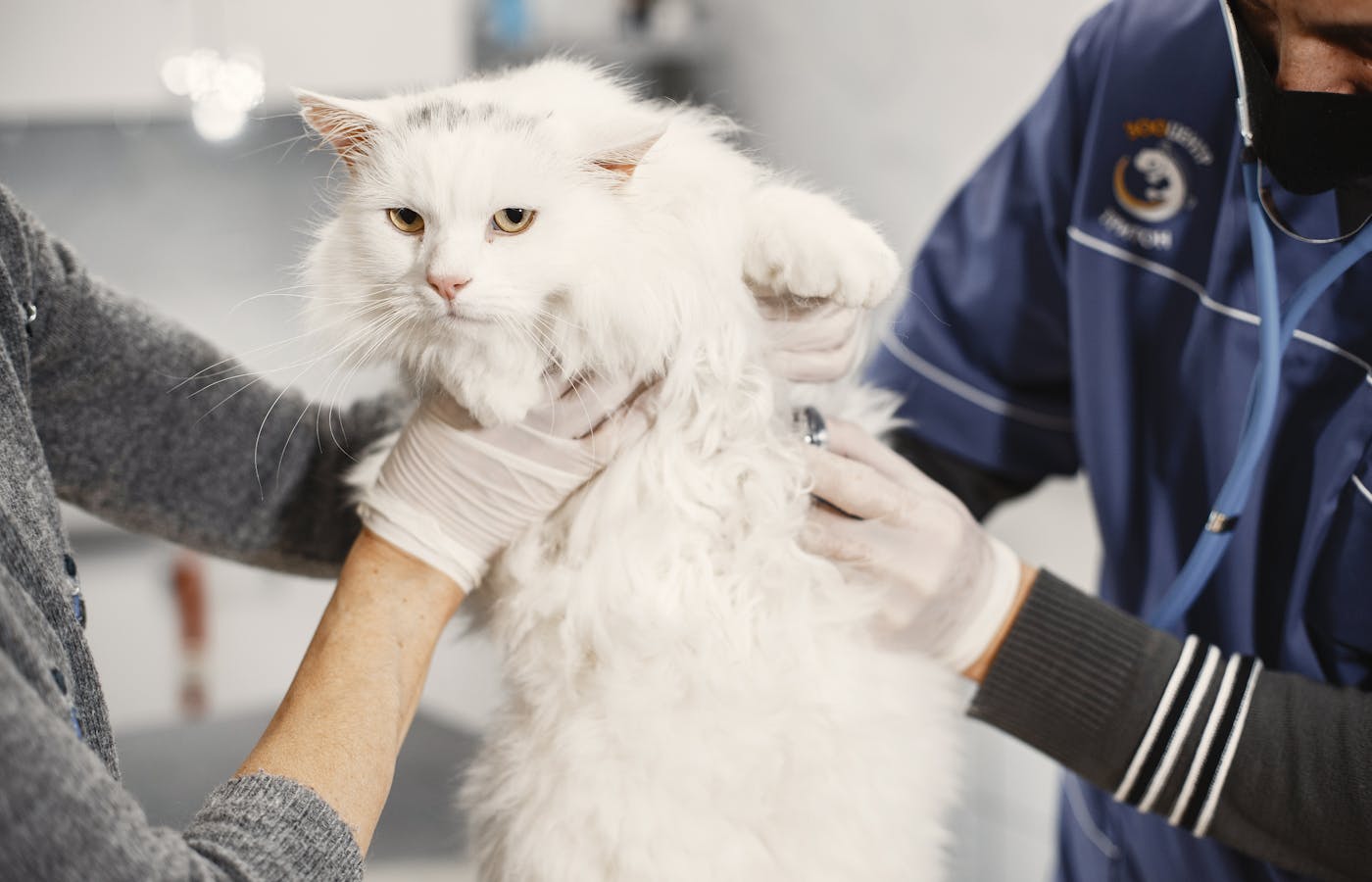
Recognize urgent changes in breathing, urination, movement and behavior, and prepare clear information when calling a vet.

Look at play, attention and access when your cat knocks objects over, then change the setup and offer safer activities.