

Pet Care Basics
How Often Should You Take a Pet to the Vet?
Plan preventive veterinary visits around your pet's age and health, and recognize symptoms that should not wait for a checkup.
Page 5
Plan preventive veterinary visits around your pet's age and health, and recognize symptoms that should not wait for a checkup.

Prepare a carrier, litter setup, food and quiet resting space before a kitten arrives, and ask about its existing care routine.

Ask about health records, daily care, behavior and household fit before adopting, so you can plan for the animal's needs.

Pack contact details, records and basic supplies in a pet emergency kit, and keep first aid within veterinary guidance.

Balance walks, toilet opportunities and rest around your dog's age, health, weather and response to everyday activity.
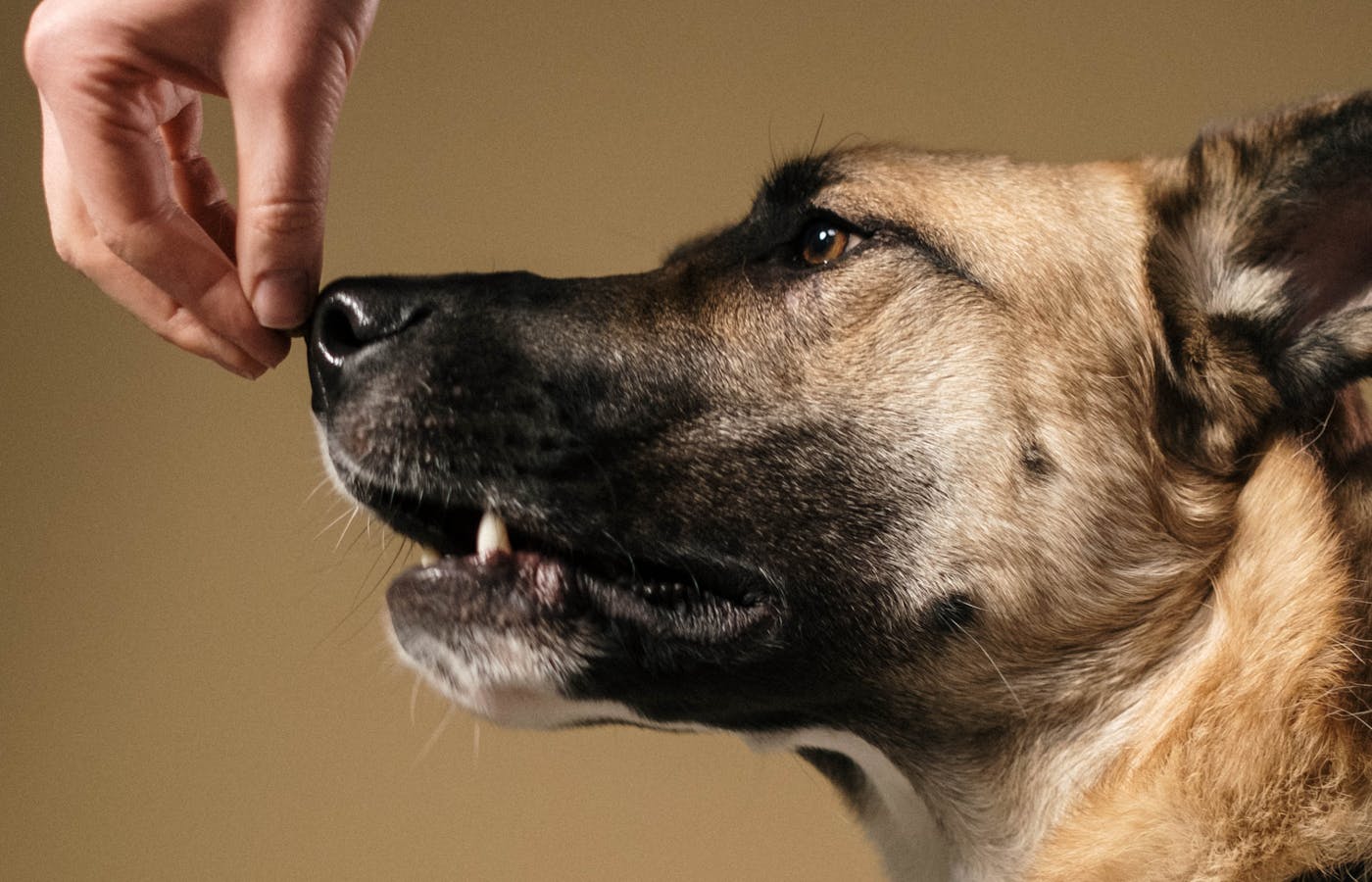
Read a dog's posture, movement and context together, and give the dog space when signals suggest discomfort or stress.

Prepare a quiet room and introduce a cat to a new home gradually, watching appetite, litter use and comfort as it settles.

Check windows, cords, plants, hiding spots and household products before giving a new cat access to more of your home.

Build a feeding schedule around suitable portions, the pet's existing food and any veterinary instructions for its age or health.

Introduce a puppy to a crate gradually with rewards, appropriate toilet breaks and a plan that avoids prolonged distress.