How to Choose the Right Cat Food Bowl
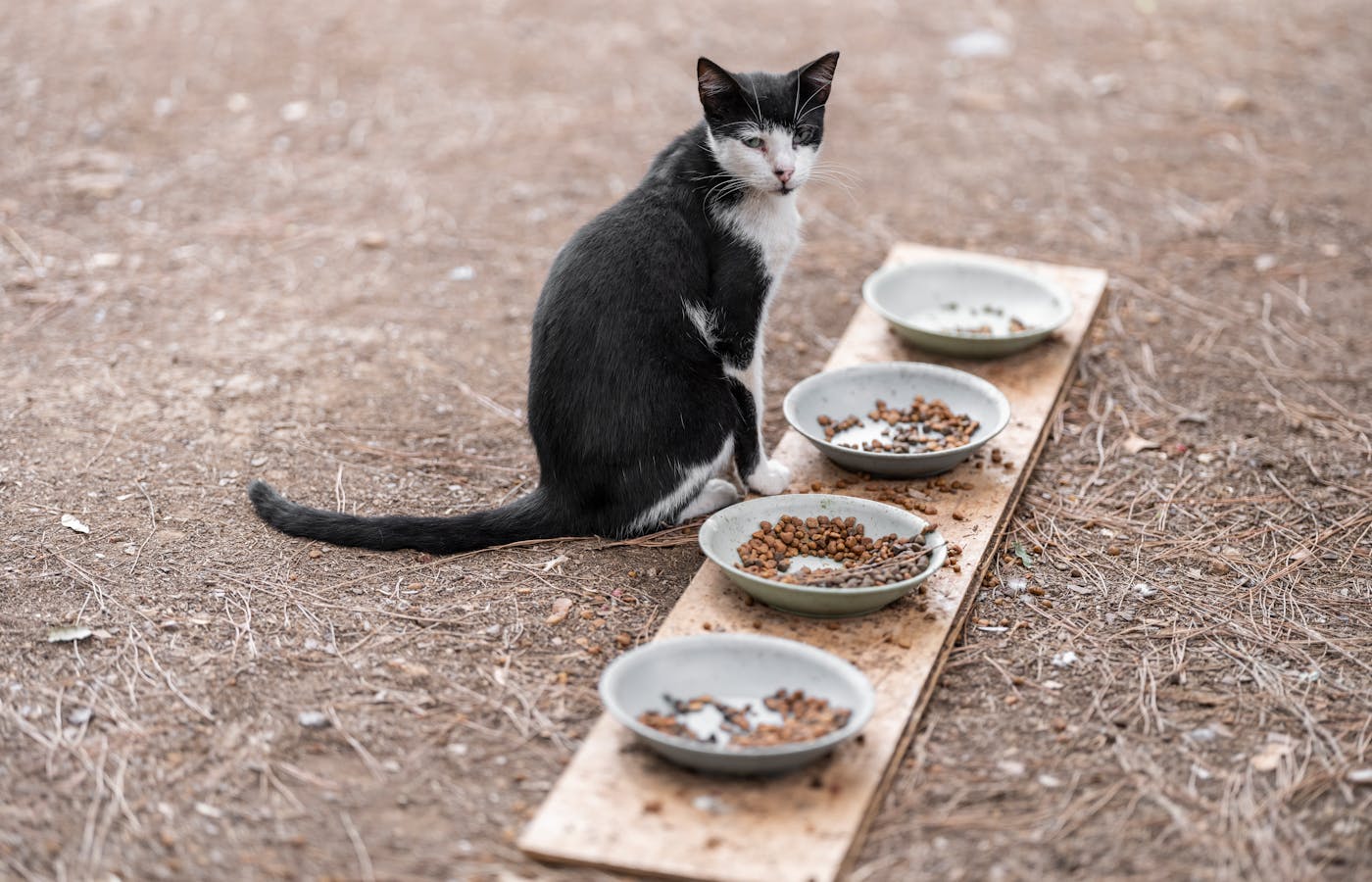
A cat food bowl seems like a tiny purchase until it causes daily annoyances. Food spills across the floor, wet food dries in corners, one cat pushes the bowl around, or another eats a few bites and walks away. The bowl is not always the whole problem, but it can make feeding easier or harder.
Learning how to choose the right cat food bowl means looking beyond color and matching the bowl to the cat’s face, eating style, food type, cleaning routine, and feeding location. A good bowl should be comfortable for the cat and practical for the person who washes it.
The right choice does not need to be expensive. Most cats need a stable, easy-to-clean bowl with enough surface area for food and enough room for whiskers to stay comfortable during meals.
Veterinary clinics commonly stress clean feeding surfaces and daily observation more than fancy accessories. If a bowl changes how much the cat eats, leaves residue in corners, or becomes hard to wash, it is worth adjusting before assuming the food itself is the problem.
Start with a shallow bowl that gives whiskers room
Many cats prefer a bowl that is wide and shallow rather than narrow and deep. A deep bowl can press food into corners and may make the cat’s whiskers brush the sides with every bite. Some cats ignore this, while others become fussy, paw food out, or eat from the edge instead of the center.
Choose a bowl with a broad opening so dry food or wet food spreads in a thin layer. This makes it easier for the cat to reach food without pushing the face deep into the dish. A shallow shape also helps you see leftover food before it dries or attracts ants.
For wet food, a low bowl or small plate can work well because the cat can lick the food without chasing it around a deep curve. For dry food, a shallow dish with a slight rim may prevent pieces from rolling away while still keeping the eating surface open.
- Look for a broad eating surface instead of a narrow cup shape.
- Avoid sharp inner corners where wet food gets stuck.
- Choose a rim low enough for the cat to reach food easily.
- Make sure the bowl still holds the normal meal amount.
The best cat bowl is often the one the cat can eat from without fighting the shape.
If your cat already paws food out of a deep bowl, try a wider dish before assuming the cat dislikes the food.
Choose material that is easy to clean every day
Food bowls need regular washing, especially when wet food is involved. Stainless steel, ceramic, and glass are common choices because they are usually easier to clean than scratched plastic. Plastic bowls can hold odors and scratches, and those scratches may trap residue if the bowl is used heavily.
Stainless steel is light, durable, and simple to wash. Ceramic can be sturdy and attractive, but it should have a smooth, food-safe glaze and no chips. Glass can also clean well, though it may break if dropped. Whatever material you choose, the surface should feel smooth and should not hold old food smells after washing.
Dishwasher-safe bowls are convenient if the household uses the dishwasher often. If washing by hand, choose a shape without tight corners where wet food can dry. A bowl that is annoying to clean will be washed less carefully, which defeats the purpose of choosing a better material.
| Bowl material | Best feature | Watch for |
|---|---|---|
| Stainless steel | Durable and easy to wash | Light bowls may slide |
| Ceramic | Sturdy and stable | Chips or cracked glaze |
| Glass | Smooth, odor-resistant surface | Breakage if dropped |
| Plastic | Light and inexpensive | Scratches and odors |
A clean bowl matters more than a matching bowl set. Pick the material you will actually wash well.
Check stability so the bowl does not slide or tip
Some cats eat gently, while others push the bowl with their nose, paw near the food, or chase pieces across the floor. A bowl that slides can make meals noisy and frustrating. It can also spill water or wet food if the feeding area is tight.
Look for a bowl with a stable base, enough weight, or a non-slip bottom. A feeding mat can help, but it should not become a substitute for a bowl that tips too easily. If the cat eats on tile, wood, or another smooth floor, sliding is more likely.
The bowl should also fit the feeding area. A wide bowl may be comfortable, but if it hangs halfway off a small shelf or is squeezed against a wall, the cat may approach it awkwardly. Place the bowl where the cat can stand naturally and where the dish will not be kicked by people walking past. A consistent spot also makes creating a pet feeding schedule easier because meals happen in the same place each day.
Stability is especially useful for kittens, older cats, and enthusiastic eaters. A heavier ceramic dish or a stainless bowl with a rubber base can reduce mess without changing the food itself.
Before settling on a bowl, watch one full meal. If the cat keeps repositioning, pawing food out, or chasing the dish, the setup needs a small adjustment.
Think about bowl height without making it complicated
Raised bowls are popular, but not every cat needs one. Some cats eat comfortably from floor-level dishes. Others may prefer a slightly raised bowl, especially if they are older, have a stiff posture, or seem uncomfortable bending down. The useful height is usually modest, not dramatic. If feeding posture changes suddenly, note it before the next vet-visit schedule.
If you try a raised bowl, watch the cat’s body position. The cat should be able to stand or sit naturally without stretching upward or crouching too hard. A bowl that is too high can be just as awkward as one that is too low.
Raised bowls also need stability. A narrow stand that wobbles can bother a cautious cat. The bowl should sit securely in the holder and should be easy to remove for washing. Avoid stands that make cleaning harder or trap crumbs underneath.
Height should solve a comfort problem, not create a new balancing problem.
If you are unsure, test height with a temporary sturdy platform before buying a stand. Watch whether meals look calmer, messier, faster, or more hesitant.
If your cat eats well from a shallow floor dish, there may be no reason to change height. If meals look uncomfortable, test a small raise and compare behavior over several days.
Set up bowls differently for wet food, dry food, and water
Wet food, dry food, and water do not always need the same bowl. Wet food is easier to serve on a shallow dish because it spreads out and cleans off more easily. Dry food can use a shallow bowl with a rim. Water often needs a separate, clean bowl placed where the cat feels comfortable drinking.
Some cats dislike water right beside food. If your cat rarely drinks from the water bowl, try moving water a little away from the food station. Keep water bowls clean and refill them often. A bowl that collects crumbs, hair, or food residue can discourage drinking.
Multi-cat homes may need several bowl stations instead of one crowded area. Cats can feel tense if they must eat shoulder to shoulder, especially if one cat guards food or finishes quickly. Separate bowls let each cat eat at a calmer pace.
Good feeding station habits include:
- using shallow dishes for wet food;
- keeping water clean and slightly separate if needed;
- placing bowls away from litter boxes;
- giving each cat its own bowl in multi-cat homes;
- washing wet food bowls after meals;
- checking mats for crumbs and dried food.
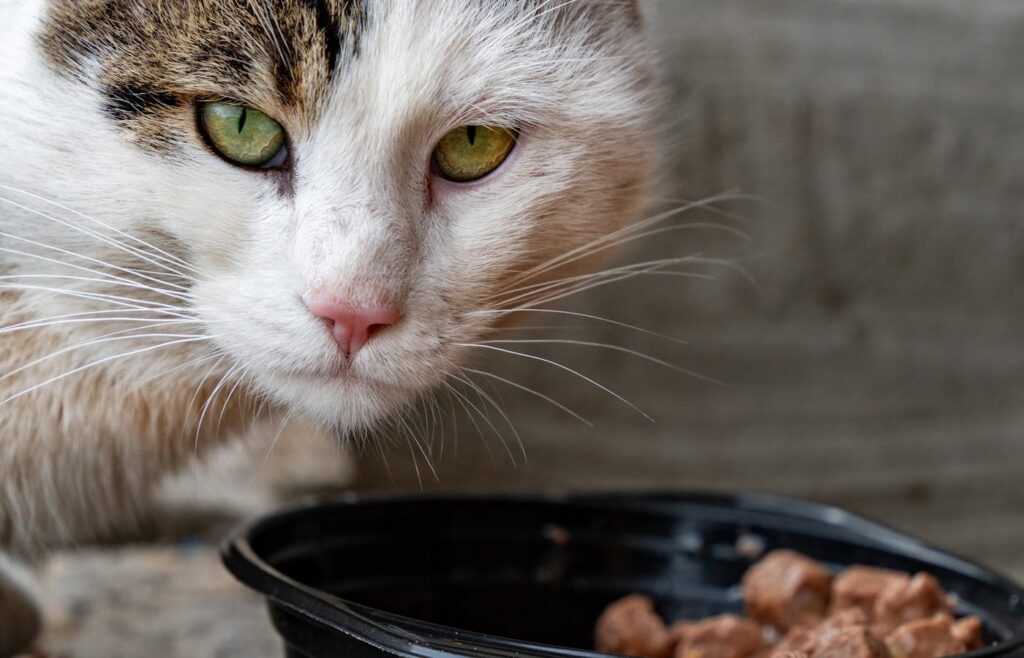
A bowl choice works better when the feeding station around it also makes sense.
Test a new cat bowl before replacing everything
Buying a full matching set is tempting, but a small test is smarter. Cats have preferences, and a bowl that looks perfect online may not suit the cat’s eating style. Start with one new bowl and compare it with the old setup for several meals.
Use this simple bowl test:
- Choose one shallow, easy-clean bowl.
- Place it in the normal feeding area.
- Serve the usual food in the usual amount.
- Watch whether the cat eats calmly or pulls food out.
- Check whether the bowl slides, tips, or traps food.
- Wash it and notice whether cleanup is easy.
- Keep it only if both the cat and cleaning routine improve.
Do not judge from one meal if the cat is cautious with new objects. Give the bowl a few tries unless the cat clearly avoids it. If the cat refuses the dish but eats from the old one, the shape, smell, height, or placement may be the issue.
Choosing the right cat food bowl is a practical mix of cat comfort and household routine. Start with a shallow shape, choose a smooth material, prevent sliding, test height only if useful, and keep wet food, dry food, and water needs separate. A small bowl change can make daily feeding calmer and cleaner.