

Pet Safety
What to Put in a Pet Emergency Kit
Pack contact details, records and basic supplies in a pet emergency kit, and keep first aid within veterinary guidance.
Writer and editor focusing on everyday care and life with a new dog or cat.
Page 3
Pack contact details, records and basic supplies in a pet emergency kit, and keep first aid within veterinary guidance.

Balance walks, toilet opportunities and rest around your dog's age, health, weather and response to everyday activity.

Check windows, cords, plants, hiding spots and household products before giving a new cat access to more of your home.
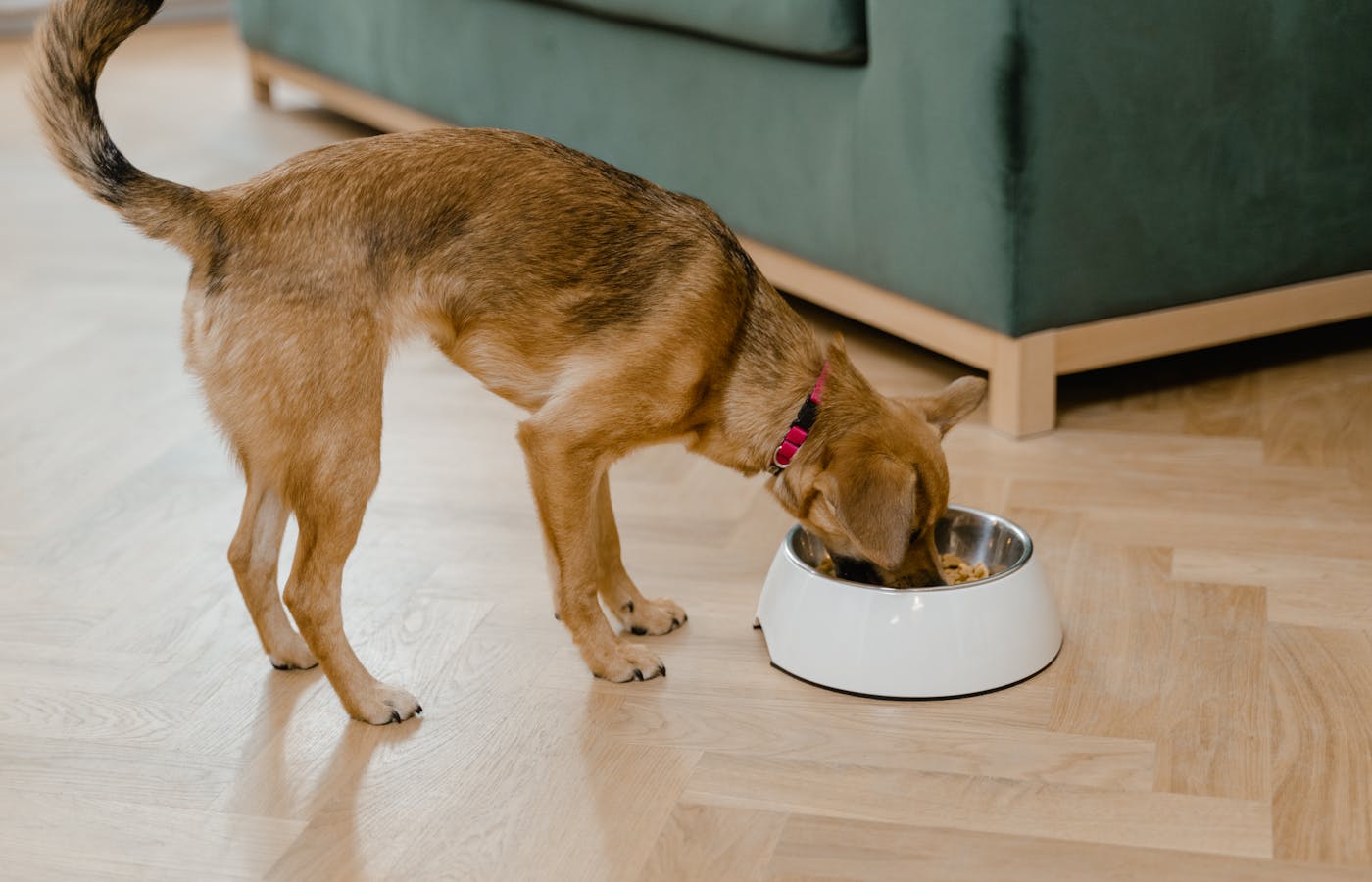
Build a feeding schedule around suitable portions, the pet's existing food and any veterinary instructions for its age or health.

Prioritize a safe carrier or restraint, food, bedding and care supplies before a puppy arrives, using its known routine as a guide.

Build trust through predictable care, choice and low-pressure contact, allowing a new dog or cat to approach at its own pace.

Consider recent changes when a pet suddenly hides, check for illness or pain and act promptly when emergency signs appear.

Plan the first days with a new dog or cat, from a safe arrival area to familiar food, quiet rest and a first veterinary appointment.

Find common food, medicine, cleaning and household hazards before a pet can reach them, and prepare for a suspected exposure.

Plan gentle brushing, nail, ear and coat care around your pet's comfort, with clear points to stop and ask a professional.