How to Set Up a Litter Box for a New Cat
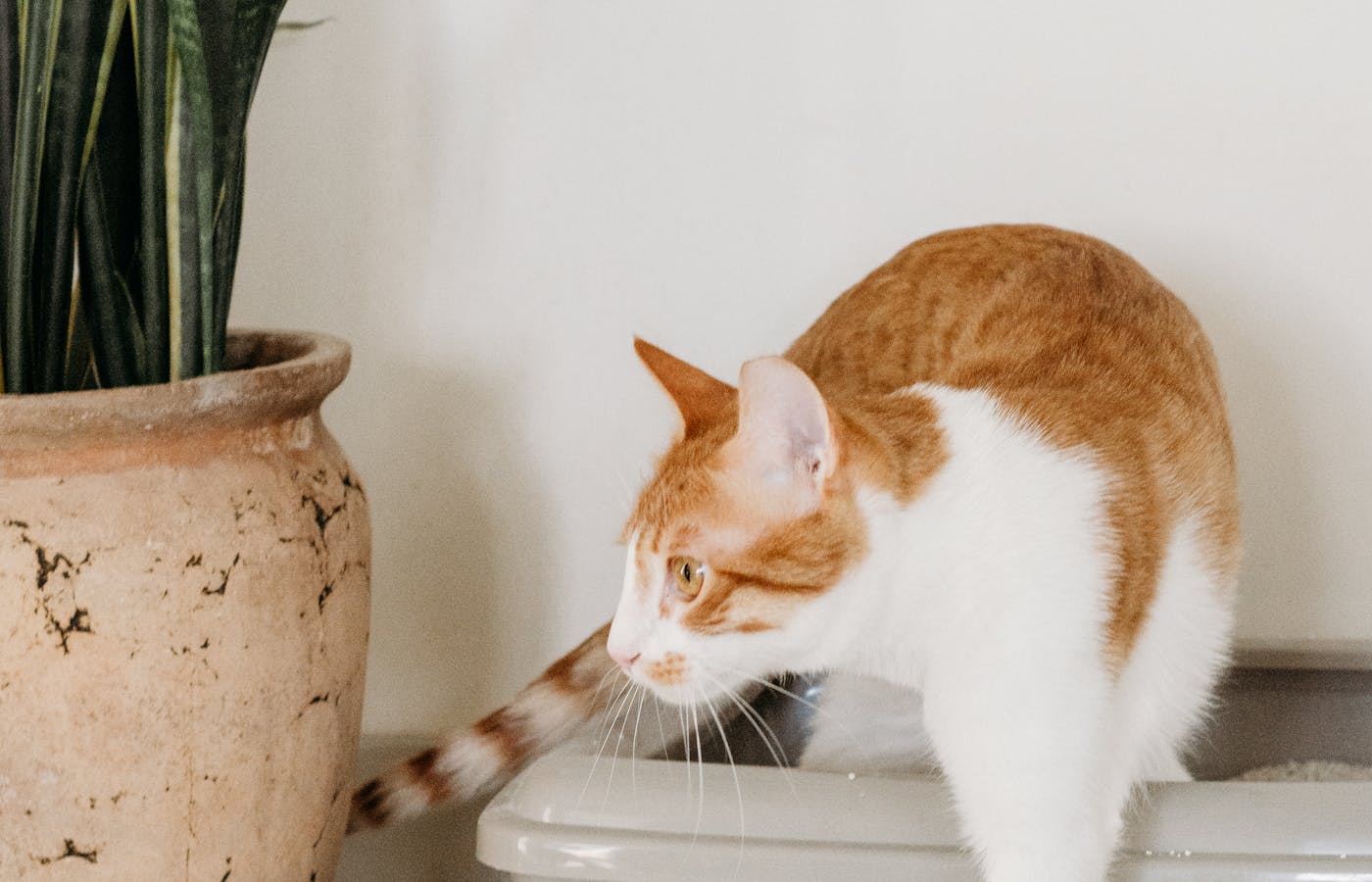
The bathroom spot should feel predictable before any daily habit can settle. Smell, access, privacy, and footing all shape whether the area feels calm enough to use consistently. A good setup gives the cat privacy, stable footing, clean litter, and an easy escape path before any training problem begins.
The goal is to make the correct choice obvious. A new cat needs privacy, easy access, familiar litter, and a cleaning routine that keeps the box usable without changing everything at once. For general care decisions, AVMA pet-care guidance is a reliable outside check before turning a habit into a routine.
Choose a quiet location with easy access
A good litter box spot is quiet but not hidden so deeply that the cat has trouble finding it. Avoid loud appliances, busy hallways, and places where another pet can block the path.
New cats may be nervous during the first week. Place the box near the cat’s starting room or safe area, then expand access gradually. If the cat must cross the whole home immediately, accidents become more likely.
Think about the route to the box from the cat’s point of view. A laundry basket, a closed door, a slippery floor, or a curious dog can turn a technically available box into a place the cat avoids. The best location is not always the most hidden one; it is the place the cat can reach calmly, use without being trapped, and leave without being chased or startled.
Pick a box that fits the cat
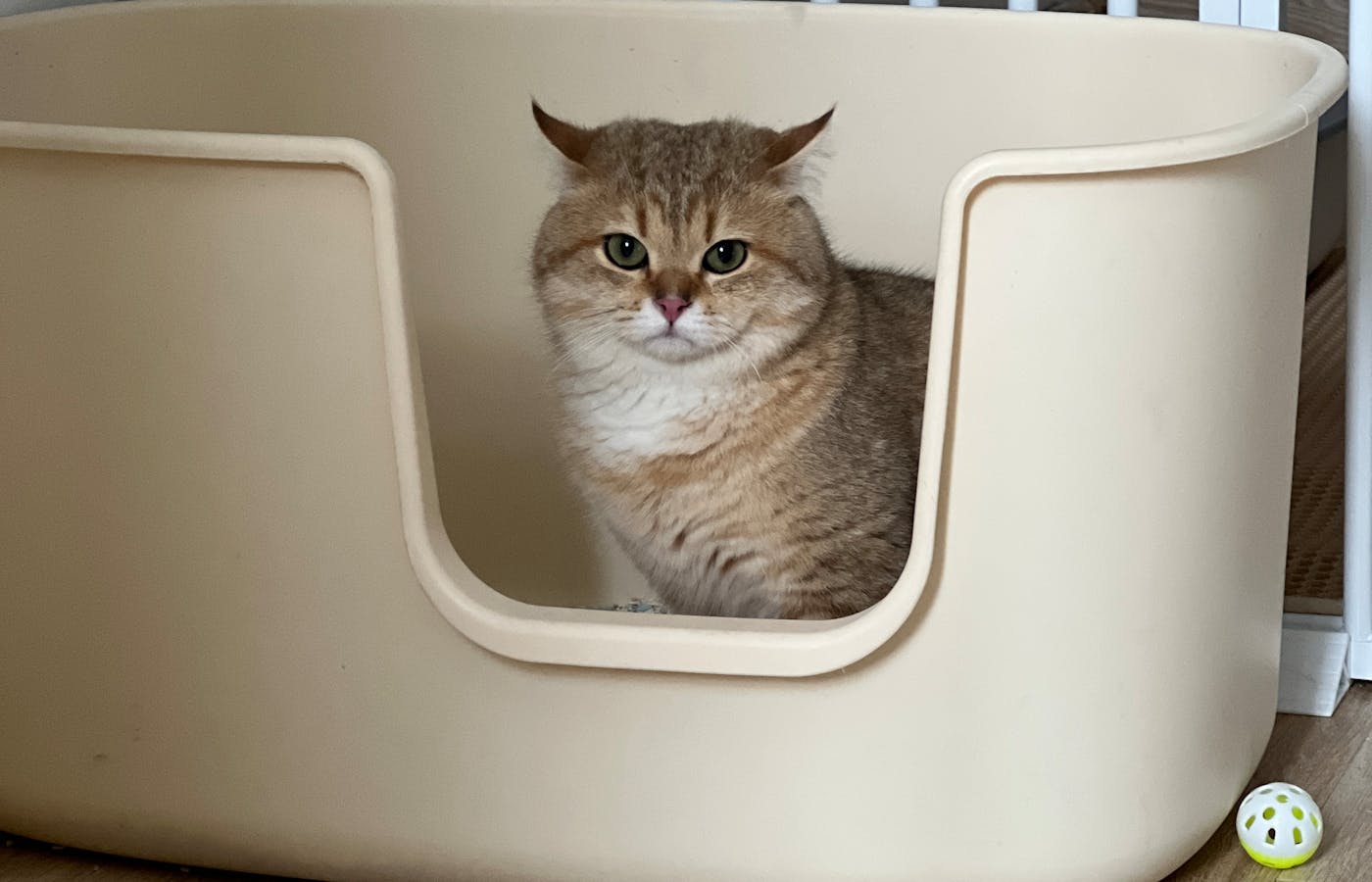
The box should be large enough for the cat to turn around, dig, and choose a comfortable position. Kittens need low sides, while adult cats often prefer more room than small covered boxes provide.
Covered boxes can help with appearance and odor control, but they are not automatically better for the cat. Some cats dislike feeling enclosed, especially in a new home where they are still learning escape routes. If you use a covered box, watch whether the cat enters confidently or pauses at the opening. A hesitant cat may do better with an open box until the room feels familiar.
Use familiar litter when possible
Sudden litter changes can confuse or bother a new cat. If you know what the cat used before, start with that or a similar texture. Unscented litter is often safer than strong fragrance because cats experience scent intensely.
Pour enough litter for digging without making the box unstable. Many cats prefer a few inches. Too little litter makes waste harder to cover, while too much can scatter outside the box.
- Start with unscented litter when unsure.
- Keep the first setup simple.
- Avoid changing litter and location at the same time.
- Watch whether the cat digs comfortably.
Keep food and litter separated
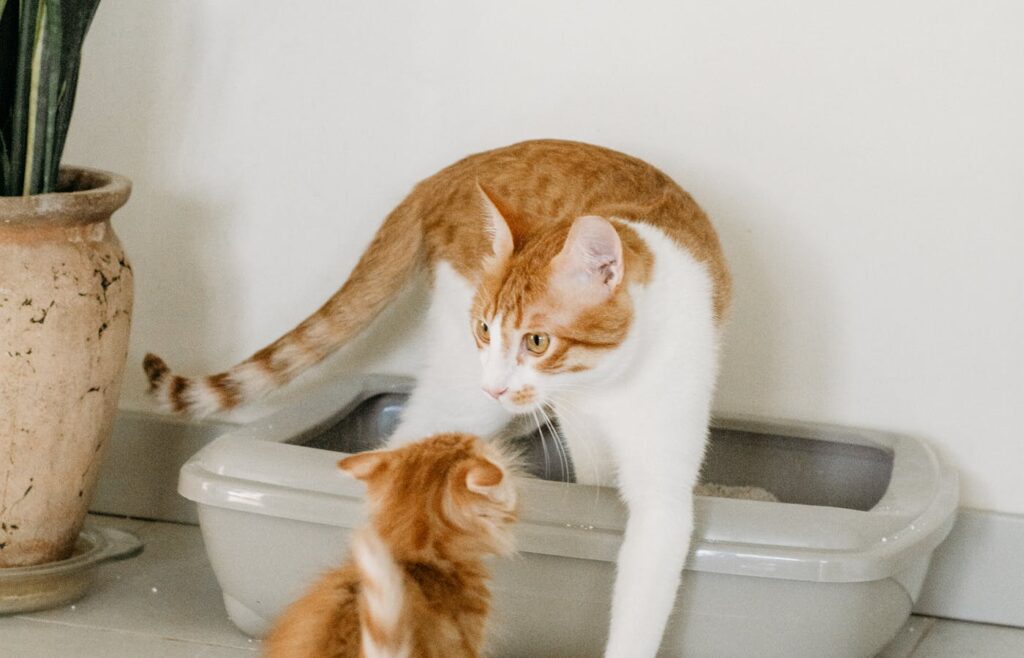
Cats usually prefer the litter box away from food and water. Placing everything in one tight corner may be convenient for people, but it can make the setup less appealing to the cat.
Create separate zones in the starting room: food and water in one area, resting space in another, and litter in a quiet accessible place. This layout helps the cat understand the room more quickly. It also supports the slower process of introducing a cat to a new home, because predictable spaces reduce the number of decisions the cat has to make at once.
Clean often without making the box smell strange
Scoop daily if possible, especially during the first week. A dirty box can discourage use, but harsh cleaning smells can also create avoidance. Use mild cleaning methods and rinse well when washing the box.
Do not punish accidents. Clean them thoroughly and review the setup: location, access, litter type, box size, and stress level. The accident is information, not a reason to scare the cat.
- Show the cat the box location calmly.
- Scoop waste daily.
- Keep doors open to the box area.
- Avoid strong scents near the litter.
- Review changes if accidents happen.
Watch how the cat exits the box
The area around the box matters too. A mat can catch litter, but it should not feel sharp or unpleasant under paws. The cat should be able to leave without squeezing past clutter, dogs, or people.
Add boxes before problems start
Multi-level homes and multi-cat homes often need more than one box. A common guideline is one box per cat plus one extra, but the practical goal is simple: no cat should have to compete, wait, or travel too far.
Build a routine the cat can trust
For the first few days, watch whether the cat enters the box calmly, digs normally, and leaves without rushing. Hesitation can point to noise, scent, box size, litter texture, or a blocked escape path. Fix the smallest likely problem first so the cat does not experience the whole bathroom area changing at once.
A steady routine also makes cleanup less confusing. Scoop at roughly the same time each day, refresh litter before the box smells strong, and keep the surrounding floor clear. If the cat sees the area change wildly every time a person cleans it, the box can feel less predictable even when it is technically cleaner.
Know when the setup needs a real change
One accident does not always mean the box is wrong, but a pattern deserves attention. Repeated accidents near the box may point to a box that is too small, sides that are too high, litter that feels unpleasant, or a location that does not feel safe. Accidents far from the box can mean the cat cannot reach it quickly enough or does not yet understand the home layout.
Health should stay in the back of your mind too. Straining, frequent attempts, crying, blood, sudden avoidance, or a cat that stops eating should not be treated as a training problem. In those cases, the litter box is giving you information, and a veterinarian is the safer next step.
A litter box setup is also part of the wider adjustment period for a new cat. Keeping the box predictable while food, resting space, and safe hiding places stay nearby helps the cat learn the room without having to solve the whole home immediately.
A good litter box setup is quiet, accessible, clean, and predictable. Make it easy for the new cat to succeed before asking it to adapt to the whole home.