Why Is My Pet Suddenly Hiding?
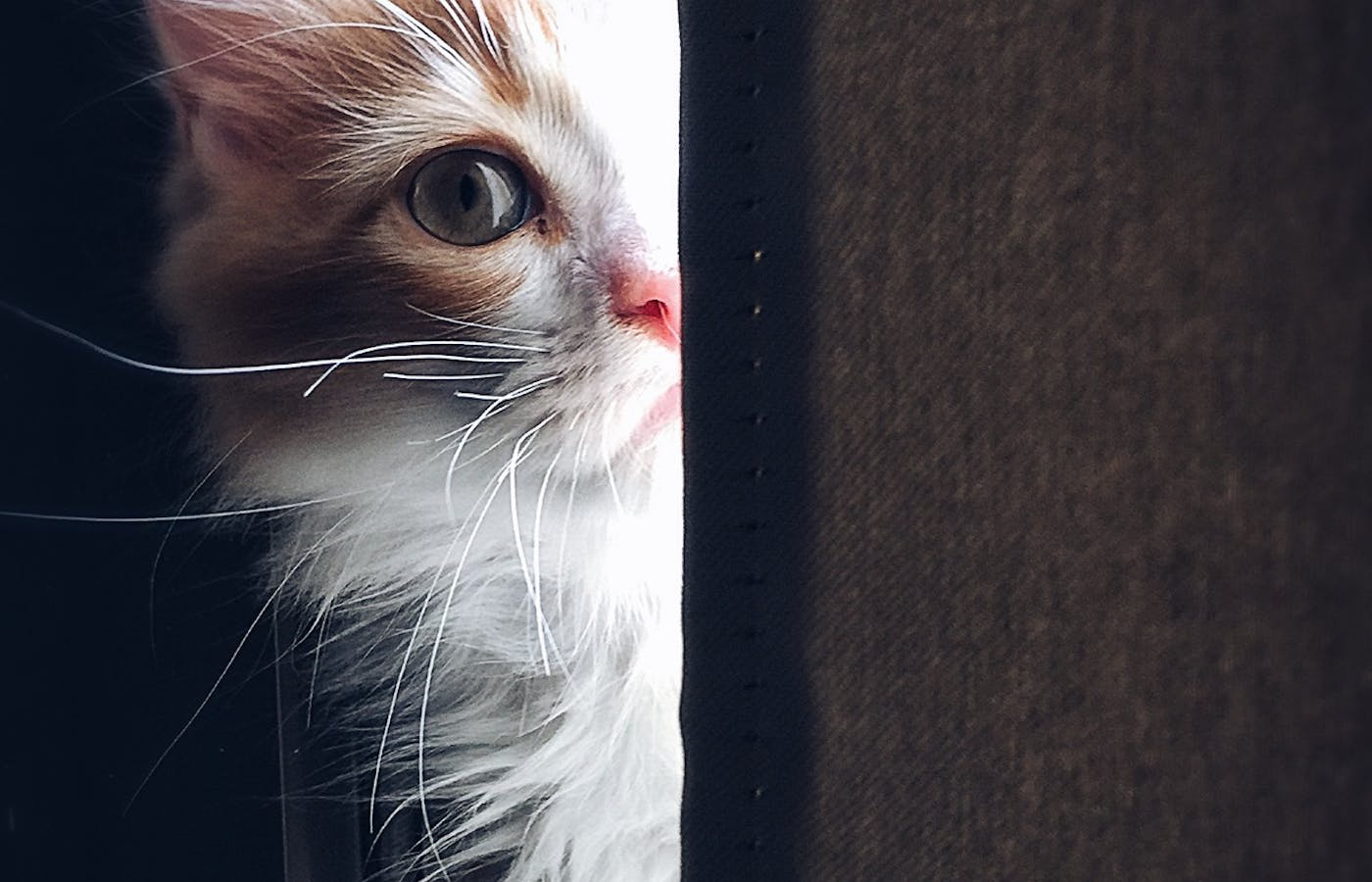
A pet that suddenly hides is not being dramatic. Hiding can be a normal stress response, but it can also point to pain, illness, fear, or a household change the pet cannot understand.
The first job is to observe without forcing the pet out. Look at appetite, movement, breathing, bathroom habits, recent changes, and whether the pet can relax when the home becomes quiet again.
Hiding is worth taking seriously because it can mean comfort, fear, pain, or illness depending on the rest of the pattern. The owner’s job is to lower pressure while checking the signals that matter.
Check sudden pet hiding for pain or illness first
A pet may hide when something hurts. Cats are especially likely to withdraw when they feel unwell, but dogs can do it too. Look for limping, heavy breathing, trembling, vomiting, diarrhea, refusal to eat, a hunched posture, crying, or unusual stillness.
If hiding appears with weakness, pain, repeated vomiting, trouble breathing, inability to urinate, or a dramatic change in behavior, contact a veterinarian. It is better to ask early than to treat a health problem as shyness or stubbornness.
Do not wait for a pet to “act normal” if the hiding comes with physical symptoms. Pain, breathing changes, collapse, repeated vomiting, or trouble urinating should move the decision from home observation to veterinary help.
Compare the hiding with your pet’s normal baseline. A shy pet resting under a bed during visitors is different from a social pet hiding through meals, bathroom breaks, and quiet hours. The sharper the change, the less you should dismiss it as mood.
Look for recent household changes
Pets notice changes that people may dismiss. A moved sofa, new appliance, visiting guest, loud repair, storm, new scent, or different work schedule can make a familiar home feel unfamiliar. Hiding may be the pet choosing the safest place while the change is processed.
Think back over the last day or two. Did someone move furniture, use a strong cleaner, host visitors, bring in another animal, or change the feeding area? The answer can help you reduce pressure instead of guessing at a solution.
Household changes can be small from a human point of view and huge for a pet. A new smell, moved litter box, loud repair, or visiting animal can make a familiar room feel unsafe.
Look for recent household changes: This step should make the pet easier to observe. When the environment is calmer, changes in appetite, movement, hiding, play, or sleep become clearer and less mixed with household stress.

Give the pet a safe retreat without trapping them
A hiding place can be useful if the pet can enter and leave freely. Do not drag the pet out for comfort, photos, or introductions. Forcing contact can teach the pet that hiding is not safe, which may increase stress.
Make the retreat calm. Keep food, water, litter, or outdoor breaks available as appropriate, but do not crowd the space. Speak softly, move normally, and let the pet decide when to come closer.
A retreat should give the pet control without making care impossible. Keep the area quiet, but make sure you can still monitor food, water, bathroom use, and breathing.
Give the pet a safe retreat without trapping them: A short note can help more than a complicated chart. Write down what changed, when it happened, and whether eating, drinking, bathroom habits, and energy stayed normal.
- Do not pull the pet out of the hiding spot.
- Reduce noise and traffic near the retreat.
- Keep basic needs available and easy to reach.
- Watch whether the pet eats, drinks, and moves normally.
Separate fear from curiosity or play
Not every hidden pet is frightened. Some cats tuck under blankets because the spot is warm. Some dogs crawl under furniture to nap. The difference is in the rest of the body language. A relaxed pet may blink slowly, stretch, eat later, or come out when the room settles.
A fearful pet may crouch tightly, flatten ears, tuck the tail, pant, tremble, growl, hiss, avoid food, or stay hidden long after the trigger is gone. That pattern deserves a calmer environment and, if it does not improve, professional advice.
Relaxed hiding usually has softer body language. A pet that naps, stretches, eats later, and emerges when the room is calm is different from one that stays rigid, silent, or panicked.
Separate fear from curiosity or play: If the pet seems overwhelmed, make the next interaction smaller. Fewer visitors, shorter greetings, quieter rooms, and more control over distance can prevent a nervous reaction from becoming a habit.
Use food and routine as gentle information
Food can help you understand what kind of hiding you are seeing. A pet that comes out to eat, drinks normally, uses the litter box or outdoor spot, and returns to rest may simply need time. A pet that ignores food or water is more concerning. Sudden hiding is easier to judge when first-week new-pet gives the owner a calmer baseline for the first days at home.
Keep the routine steady for a short period. Offer meals in the usual place or slightly closer to the retreat if needed. Avoid changing several things at once, because too many changes make it harder to know what helped.
Food can give information without becoming a bribe. Place it nearby, step away, and watch whether the pet approaches when pressure is gone.
Measure the change against normal appetite and bathroom habits. Skipping one treat is different from refusing a regular meal. Resting under the bed during guests is different from hiding all day in a silent house.
- Reduce the trigger if you know it.
- Keep meals and bathroom access predictable.
- Observe appetite, posture, and movement.
- Call a veterinarian if health signs appear.
Help a hiding pet rejoin the room gradually
When the pet begins to come out, keep the room calm. Do not rush toward them or celebrate loudly. Let them sniff, look around, and retreat again if needed. Calm repetition helps the pet learn that the room is safe after the stressful event.
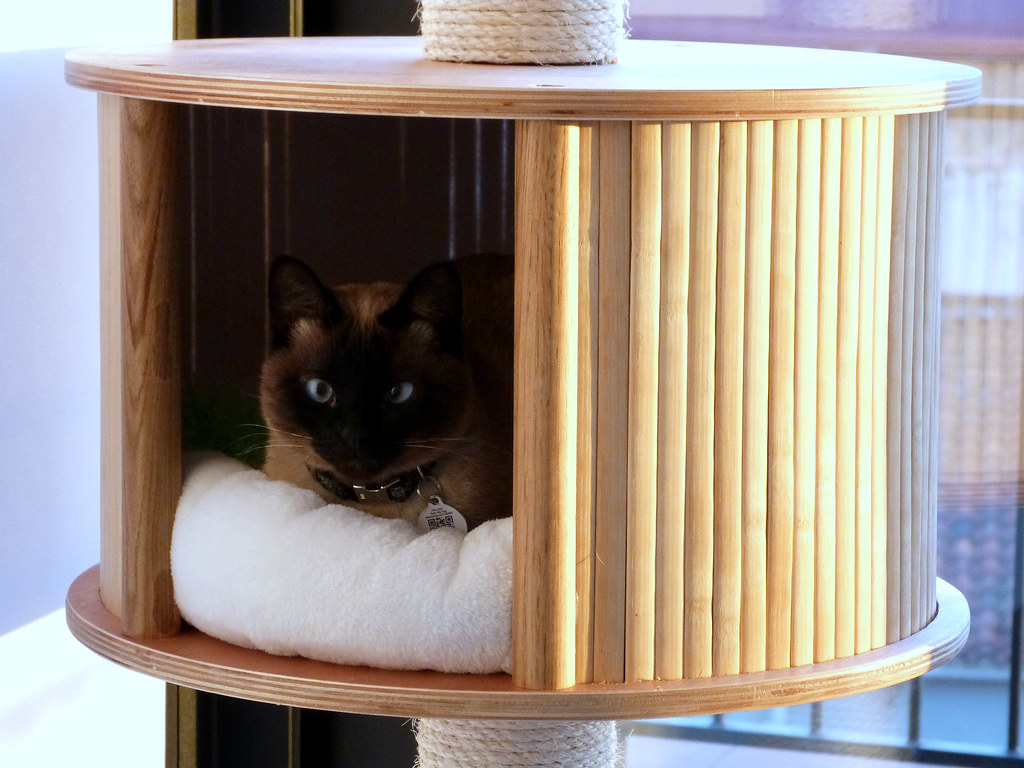
For cats, vertical spaces and covered beds can help. For dogs, a quiet bed away from foot traffic may be enough. The right support depends on the animal, but the principle is the same: give safety first, then invite confidence.
Rejoining should happen in small steps. Sitting nearby, speaking softly, and keeping other pets or guests away can help the animal choose contact again.
Help a hiding pet rejoin the room gradually: This is a good place to separate home care from medical judgment. Routine stress can be managed gently, but pain, weakness, breathing trouble, or repeated vomiting needs professional advice.
Know when hiding has lasted too long
A short hiding period after a clear trigger can be normal. Hiding that lasts many hours without eating, drinking, bathroom use, or normal movement is more serious. Repeated hiding with no obvious trigger also deserves attention.
Use your knowledge of the pet. If the behavior is sharply different from normal, document what changed and contact a veterinarian or qualified behavior professional. Hiding is a clue, and the safest response is to read it in context.
Duration matters. Hiding for a short rest after noise is one thing; hiding through meals, bathroom needs, or normal routines for a full day deserves a more serious response.
Know when hiding has lasted too long: Progress may be subtle. A pet choosing to eat, stretch, sniff, sleep nearby, or approach for a moment can be a better sign than forcing a big interaction.