Why Does My Dog Follow Me Everywhere?
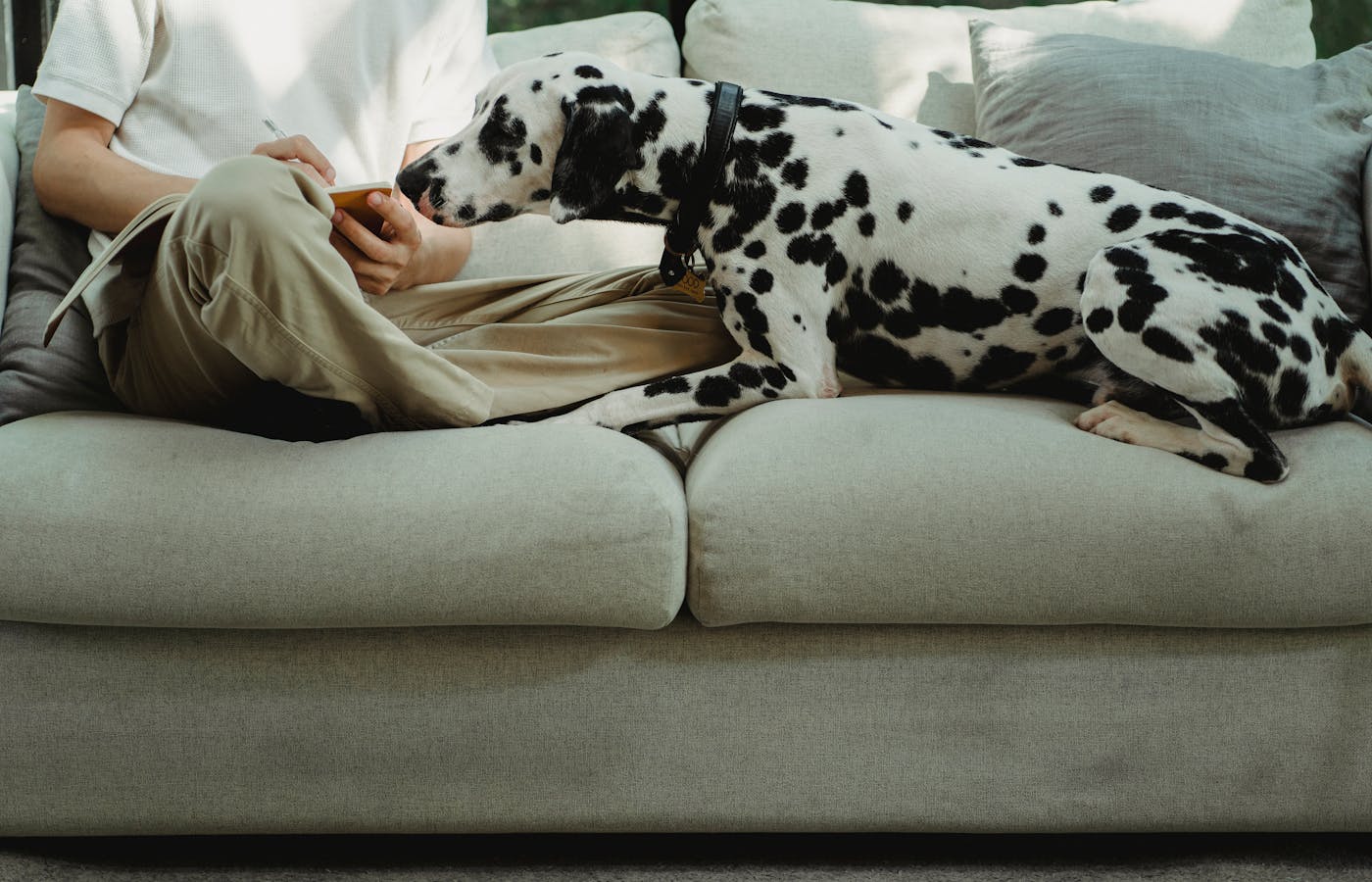
A dog that follows you from the sofa to the kitchen, from the kitchen to the bathroom, and from the bathroom back to the sofa can feel sweet, funny, and a little exhausting all at once. Some dogs simply like being near their people. Others follow because the habit has become tied to food, walks, attention, worry, or a routine they do not want to miss.
If you are asking why does my dog follow me everywhere, the answer is usually not one single reason. The useful approach is to look at when the following happens, what your dog expects next, and whether the behavior comes with stress signals.
Closeness is normal for many dogs, but constant shadowing deserves a closer look when the dog seems unable to relax without you.
Your dog may follow everywhere because closeness is rewarding
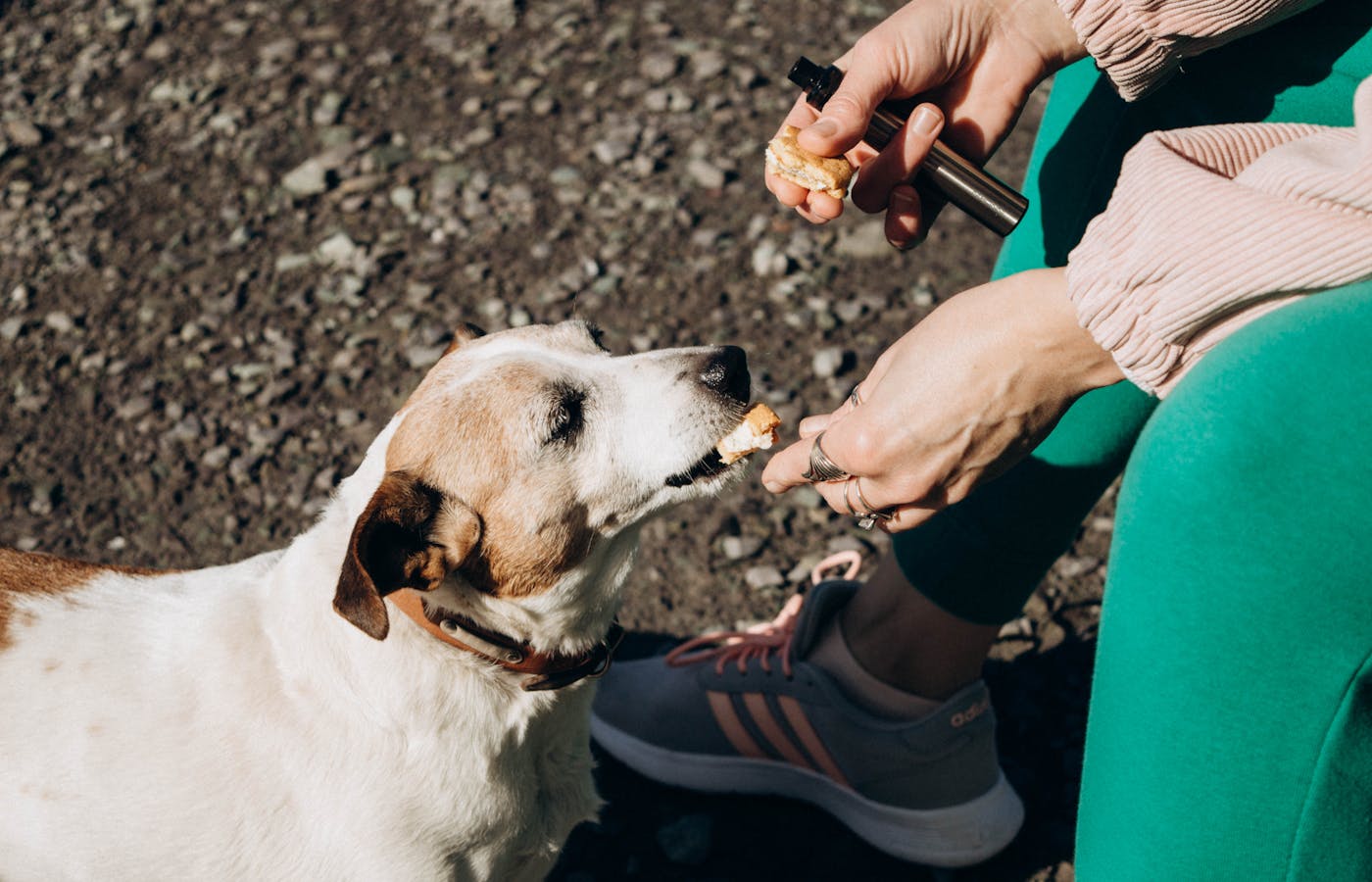
Dogs repeat behavior that works. If following you leads to a snack dropping, a hand reaching down for a scratch, a door opening, a walk starting, or a cheerful voice saying their name, your dog has learned that staying close is useful. That does not mean you did anything wrong. It means your dog is paying attention.
This type of following is usually relaxed. The dog may trot after you, watch what you are doing, lie nearby, and leave again when something else becomes interesting. The body often looks loose: soft eyes, normal breathing, relaxed tail, and easy movement. The dog can settle even if you are not actively interacting.
I would treat this as a normal attachment pattern unless it causes problems. Many dogs enjoy being part of household movement. They want to know where their people are because people predict good things.
Routine can turn you into the household signal
Dogs are excellent pattern readers. They notice the shoes you wear before a walk, the cabinet that opens before food, the time you usually sit down, and the way you move before leaving the house. Following may be your dog’s way of staying close to the next signal.
This is common around predictable moments: meals, potty trips, walks, bedtime, guests arriving, or someone coming home. If your dog mostly follows during those times, the behavior may be less about neediness and more about anticipation. The dog is trying not to miss the next event.
Routine-based following can become intense if the dog has too few other ways to spend energy. A dog with enough sniffing, play, rest, and food puzzles may still follow, but the behavior usually has an off switch. A bored dog may follow because you are the most interesting thing in the room.
Some dogs follow because they were bred to stay close
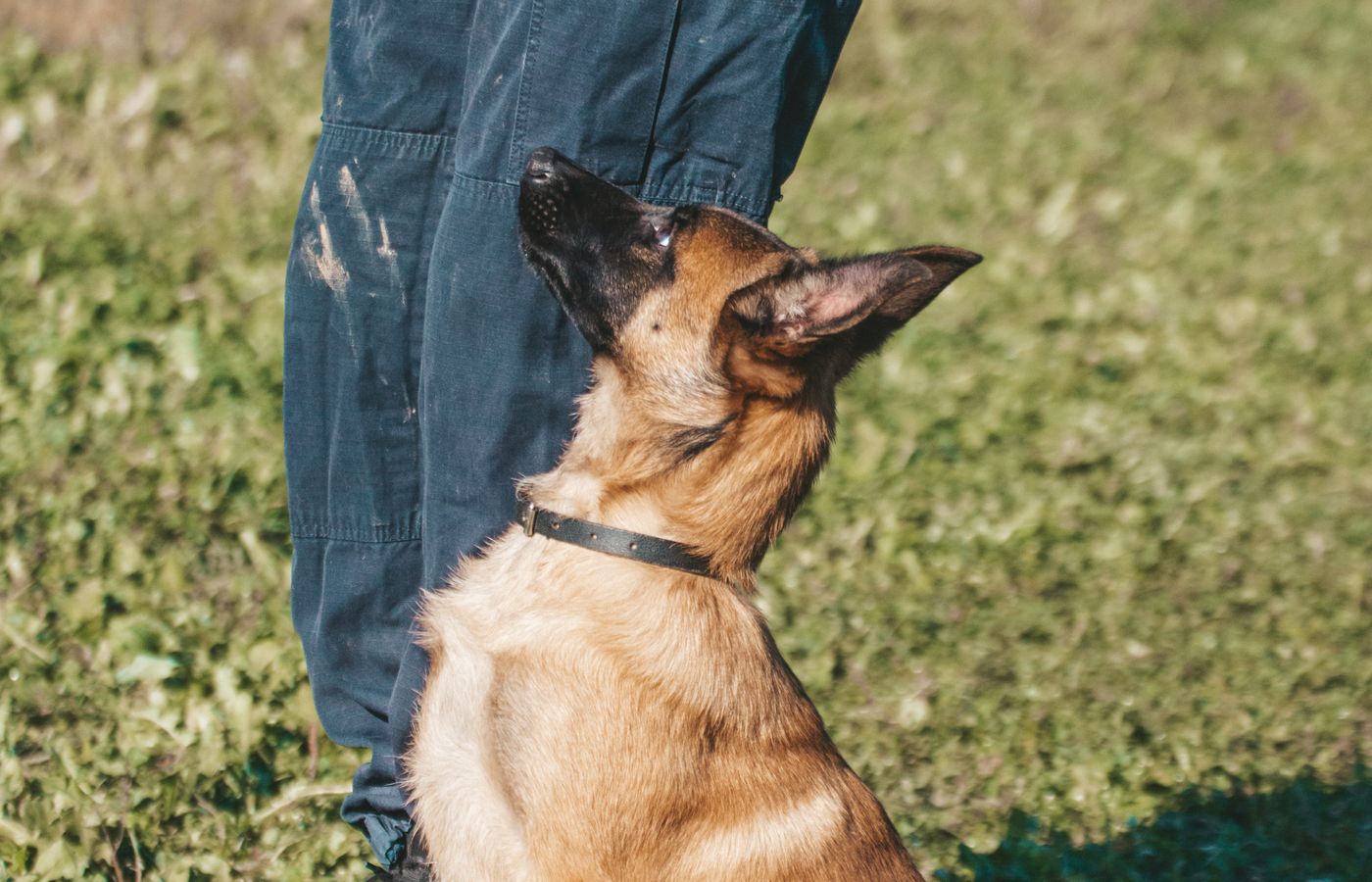
Breed and individual temperament can shape the behavior. Herding dogs, companion breeds, working dogs, and some rescue dogs may naturally watch people closely. A dog that was bred to notice movement, respond to human cues, or stay connected to a handler may find household shadowing very natural.
Even within the same breed, personalities vary. One dog naps through everything. Another wants to supervise laundry, cooking, phone calls, and every step toward the front door. Age matters too. Puppies often follow because the world is new and the person feels like the safest landmark. Senior dogs may follow more if hearing, vision, confidence, or comfort changes.
The question is not whether following is always bad. It is whether your dog can also rest, explore, chew, sniff, or sleep without needing your constant movement as direction. For dogs, that step is easier to repeat when dog-walking routine keeps the routine predictable instead of rushed.
Watch for stress signs when following everywhere becomes frantic
The behavior needs more attention when it looks anxious rather than connected. A stressed dog may follow with a stiff body, pant when the room is not hot, whine, block doorways, scratch at closed doors, pace, tremble, drool, or panic when separated. Some dogs cannot eat a treat or settle on a bed if their person leaves the room.
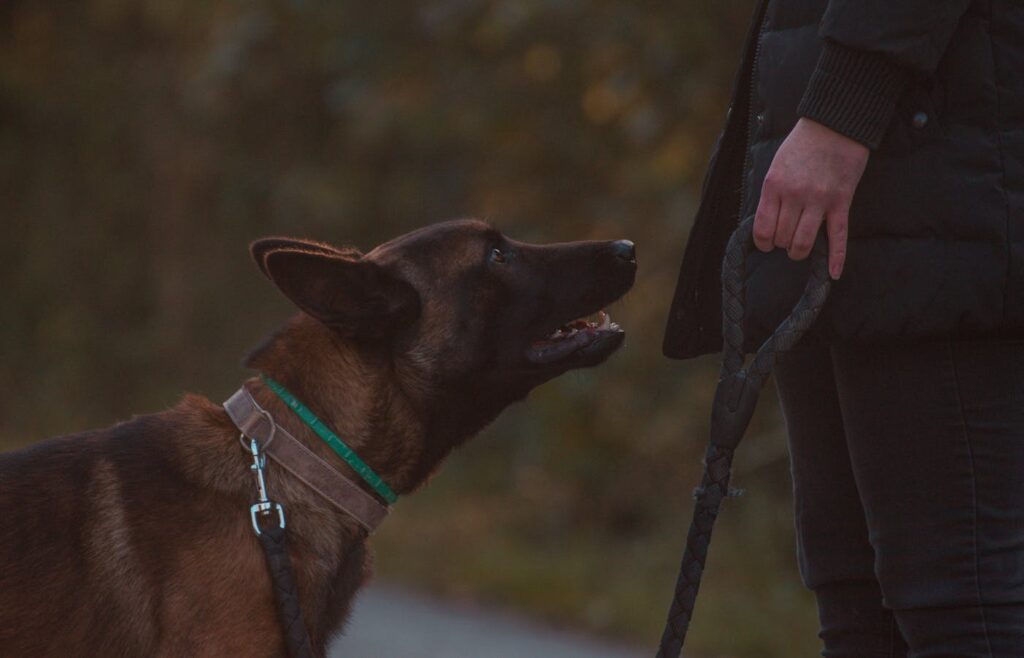
Context matters. A dog who follows after a thunderstorm, move, new baby, schedule change, illness, or long absence may be reacting to uncertainty. A dog who suddenly begins following after years of independence may need a health check, especially if there are changes in appetite, sleep, bathroom habits, mobility, or behavior.
- Normal following usually still allows relaxed rest.
- Stress following often includes pacing, whining, panting, or door guarding.
- Sudden behavior changes deserve a veterinary conversation.
- Punishment can make anxious following worse.
- Independence practice should be gradual and kind.
Do not punish a dog for wanting to be close
Scolding, pushing the dog away, or shutting doors abruptly may stop the dog for a moment, but it does not teach comfort. If the following is based on worry, punishment can confirm that separations are unpredictable or unpleasant. If the following is based on habit, punishment adds confusion to a behavior the dog thought was normal.
A better first step is to reward the behavior you want. If your dog lies on a bed while you cook, quietly drop a treat there. If the dog stays in the living room while you walk to the hallway, return calmly before the dog becomes upset. You are teaching that being apart for short moments is safe and boring.
The goal is not to make your dog less attached; it is to help your dog feel secure even when you move away.
Build independence with tiny separations
Independence grows from practice that stays easy enough for the dog to succeed. Start with seconds, not minutes. Walk to the counter and back. Step behind a baby gate and return. Close a door halfway, open it, and act normal. If your dog stays relaxed, gradually increase the time or distance.
Pair short separations with something pleasant but not overly exciting. A stuffed food toy, safe chew, lick mat, or scatter of kibble can give the dog a job while you move around. Keep the tone ordinary. Big emotional departures and returns can make the moment feel more important than it needs to be.
- Choose a time when your dog is already fed, pottied, and a little tired.
- Ask for a bed, mat, or resting spot near you.
- Take one small step away and return before worry builds.
- Reward calm resting, not frantic following.
- Add distance slowly over several days.
- Pause and make it easier if your dog starts pacing or whining.
Give your dog other anchors during the day
A dog who has only one anchor will often choose the person. Add other predictable anchors: a resting bed in a useful location, a chew after breakfast, a sniff walk, a short training game, a puzzle feeder, or a quiet window spot. These should be simple enough to repeat, not a complicated routine that only happens on perfect days.
For dogs with mild shadowing, these changes may be enough. For dogs with panic, destruction, self-injury, house soiling when left alone, or intense distress, get professional help from a veterinarian or qualified behavior professional. Separation-related problems are not stubbornness, and they usually improve with a careful plan.
So why does your dog follow you everywhere? Often because you are interesting, rewarding, predictable, and safe. That can be a lovely bond. The part to watch is whether your dog can also relax when you are nearby but not available. Build that skill gently, one tiny separation and one settled moment at a time.