Summer Safety Tips for Dogs and Cats
Summer can be harder on pets than it looks from inside an air-conditioned room. Dogs may keep playing even when they are getting too hot. Cats may nap in a sunny window long after the floor has warmed up. Both can struggle when water, shade, airflow, and timing are treated as afterthoughts.
Good summer safety tips for dogs and cats start with prevention. The goal is to reduce heat stress before a pet is panting hard, hiding, drooling, vomiting, or acting weak. A few daily habits can make hot weather safer without turning every warm day into a complicated project.
In summer, comfort is not just comfort. For pets, it can become a safety issue quickly.
Watch the heat before pets show obvious signs
Pets do not always warn you early. A dog may chase a ball because the game is exciting, not because the weather is safe. A cat may stay in a sunbeam because it feels pleasant at first, then move only after the spot becomes too warm. Waiting for dramatic symptoms can leave you reacting late.
Start by checking the room, yard, pavement, car, carrier, and shaded areas before your pet uses them. If a space feels hot, still, humid, or uncomfortable to you, it may be harder on an animal with fur. Short-nosed breeds, senior pets, overweight pets, very young animals, and pets with medical issues can overheat faster.
When the day feels borderline, choose the quieter version of the plan. A shorter walk, a shaded room, or a postponed car trip is easier than trying to recover after a pet is already overheated.
Heat risk is also cumulative. A warm walk, a sunny nap, a car ride, and an active play session can add up across the day. Summer safety gets easier when you think about the whole day, not one outing at a time.
Keep dogs and cats hydrated through the day
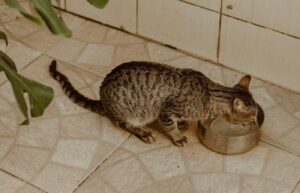
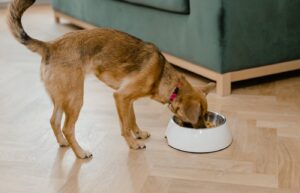
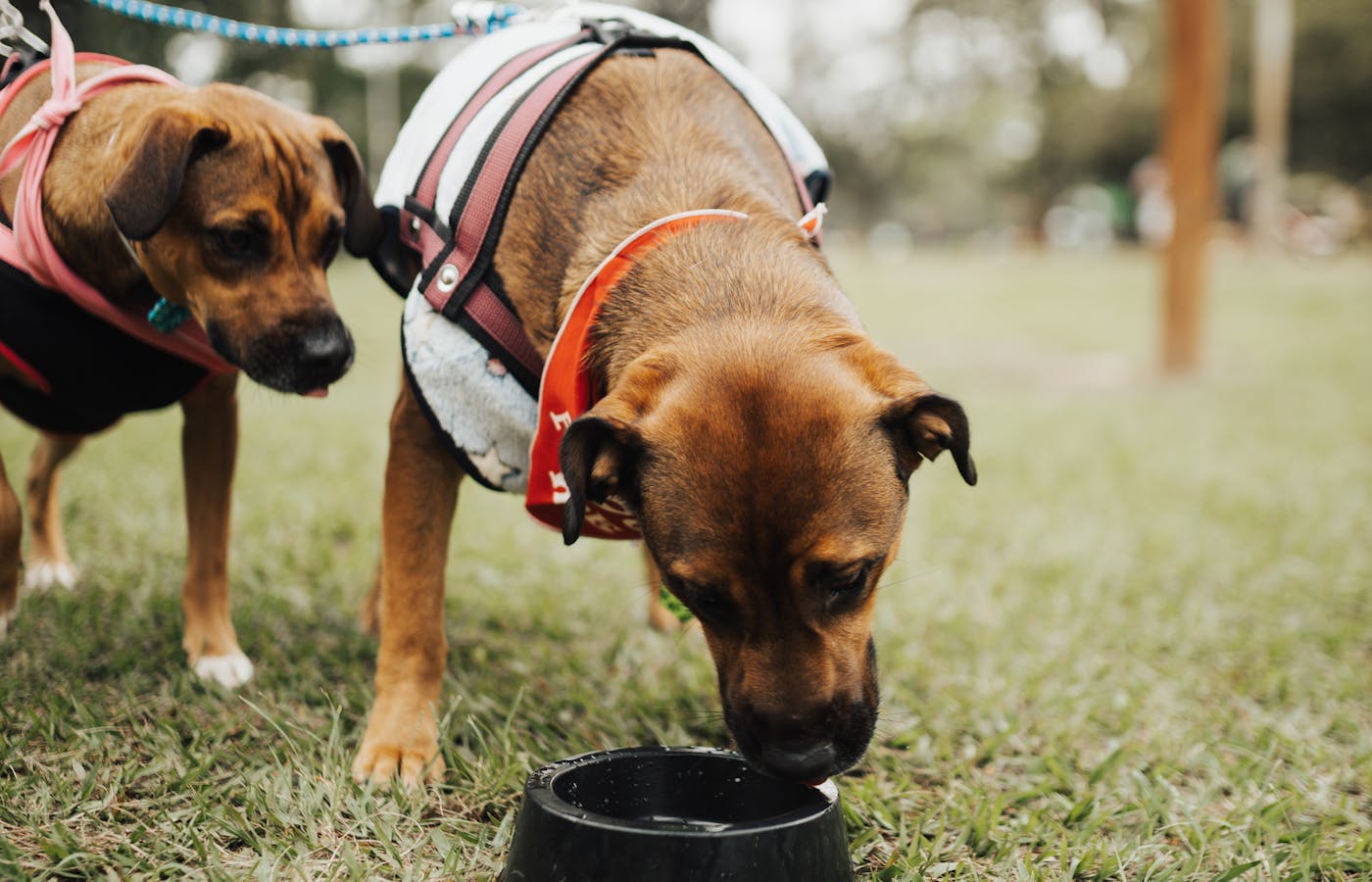
Water should be visible, clean, and easy to access. Dogs may need water before, during, and after outdoor time. Cats may drink more when bowls are placed away from food, litter boxes, and noisy appliances. Some pets are picky about bowl material, depth, or location, so convenience matters.
On hot days, refresh water more often and consider adding an extra bowl where the pet actually spends time. A bowl in a forgotten corner does less good than one near the favorite resting spot. For outdoor time, bring water instead of assuming there will be a safe source nearby.
Water access is especially important when routines change. Guests, yard work, travel prep, or a long afternoon outside can all distract people from checking bowls. I like treating water as part of the room setup, the same way you would check doors, shade, and food before settling a pet for the day.
- Keep one water bowl near the main resting area.
- Add a second bowl during heat waves or busy days.
- Wash bowls often so pets are not avoiding stale water.
- Bring portable water for walks, parks, and car trips.
- Watch for pets that drink suddenly much more or much less than usual.
Plan walks and outdoor play around cooler hours
Dogs usually need the most schedule adjustment in summer. Morning and evening are often safer than midday, especially when pavement, patios, sand, or decks hold heat. If the ground feels too hot for your hand after a few seconds, it may be too hot for paws.
Shorter walks can be safer than one long outing. Use shade, slower routes, sniff breaks, and water breaks. Skip intense fetch, running, or long training sessions during the hottest part of the day. A dog that wants to continue may still need you to stop.
Cats with supervised outdoor access need the same timing logic. A balcony, patio, enclosure, or sunny porch can heat quickly. Shade should move with the sun, and the cat should always have a way back to a cooler area. The same calm setup matters in how often should you walk a dog?, where the routine has to feel predictable for the dog.
Make indoor cooling part of the pet routine
Indoor pets still need summer planning. Sun through glass can warm a favorite bed, window perch, crate, or carrier. Airflow can be uneven from room to room. A hallway, tile floor, shaded bedroom, or lower-level room may stay cooler than a sunny living room.
Give pets choices. One pet may want a cool floor, another may want a shaded bed, and another may prefer a room with gentle airflow. Avoid trapping a pet in a crate, laundry room, porch, or closed room that warms up during the day.
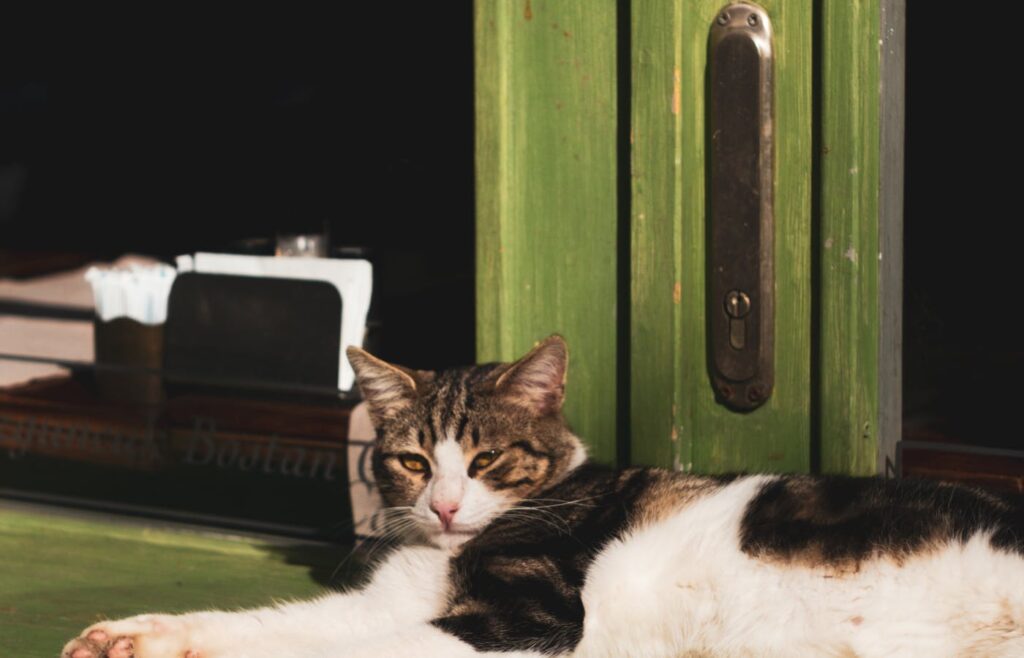
For cats, watch sunny windows and enclosed balconies. A cat lying in sunlight is normal, but the safe option is having shade and water nearby. For dogs, check beds, crate pads, and blankets; thick bedding may be cozy in winter and too warm in summer.
Humidity matters too. A room can feel tolerable by temperature and still feel heavy when air is not moving. Fans, curtains, open interior doors, and access to cooler flooring can make a real difference, as long as cords and windows remain safe for the pet.
Be careful with cars, carriers, and travel days
Cars can become dangerous fast in warm weather. A quick errand can take longer than expected, and cracked windows do not make a parked car safe. Pets should not wait in a warm vehicle while someone shops, eats, or handles an appointment.
Travel also changes water and airflow. Carriers can feel warmer than the surrounding room or car seat, especially if they are covered, crowded, or sitting in direct sun. Keep carriers out of sun when possible, check ventilation, and avoid placing them where heat collects.
- Offer water before leaving home.
- Cool the car before loading a pet when weather is hot.
- Keep carriers shaded but well ventilated.
- Plan stops where pets can be handled safely.
- Never leave a pet waiting in a warm parked car.
Adjust grooming without removing natural protection
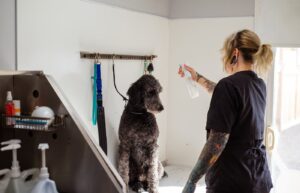
Grooming can help pets stay more comfortable, but it should be done thoughtfully. Brushing removes loose fur and mats that trap heat. Clean coats usually insulate and move air better than tangled coats. For some pets, regular brushing is more useful than a dramatic haircut.
Do not shave a dog or cat without guidance if the coat type is unfamiliar. Some coats help protect against sun and heat when maintained properly. Shaving can expose skin to sunburn or change coat texture. A groomer or veterinarian can advise what is safe for the pet’s breed, coat, skin, and health.
Also think about paws, ears, and skin. Hot surfaces can irritate paws. Sun can affect thin-furred areas. Summer grooming is not only about making the pet look tidy; it should support comfort and protection.
Know when heat needs urgent attention
Summer safety depends on recognizing when a pet is no longer just warm. Heavy panting, weakness, confusion, vomiting, drooling, collapse, bright red or pale gums, fast breathing, or a pet that cannot settle may signal danger. Cats may hide, breathe with an open mouth, act restless, or seem unusually limp.
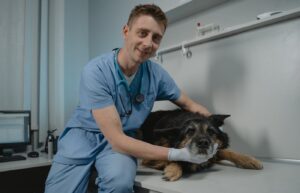
If you suspect heat distress, move the pet to a cooler place, offer water if the pet can drink normally, and contact a veterinarian or emergency clinic for guidance. Do not force water into a pet’s mouth, and do not use ice-cold shock tactics unless a veterinarian instructs you.
- Take heavy panting or open-mouth breathing seriously.
- Watch for weakness, vomiting, collapse, or confusion.
- Move the pet out of heat immediately.
- Call a veterinarian when symptoms seem severe or unusual.
- Keep a written emergency number where the household can find it.
Summer pet safety is mostly a daily rhythm: water, shade, timing, airflow, travel caution, grooming awareness, and fast response to warning signs. When those pieces are in place, dogs and cats have a better chance of getting through hot days with less stress and fewer risky surprises.