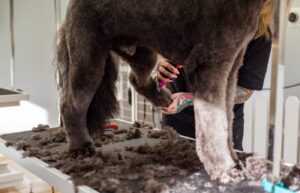
How to Bathe a Dog at Home Without Stress
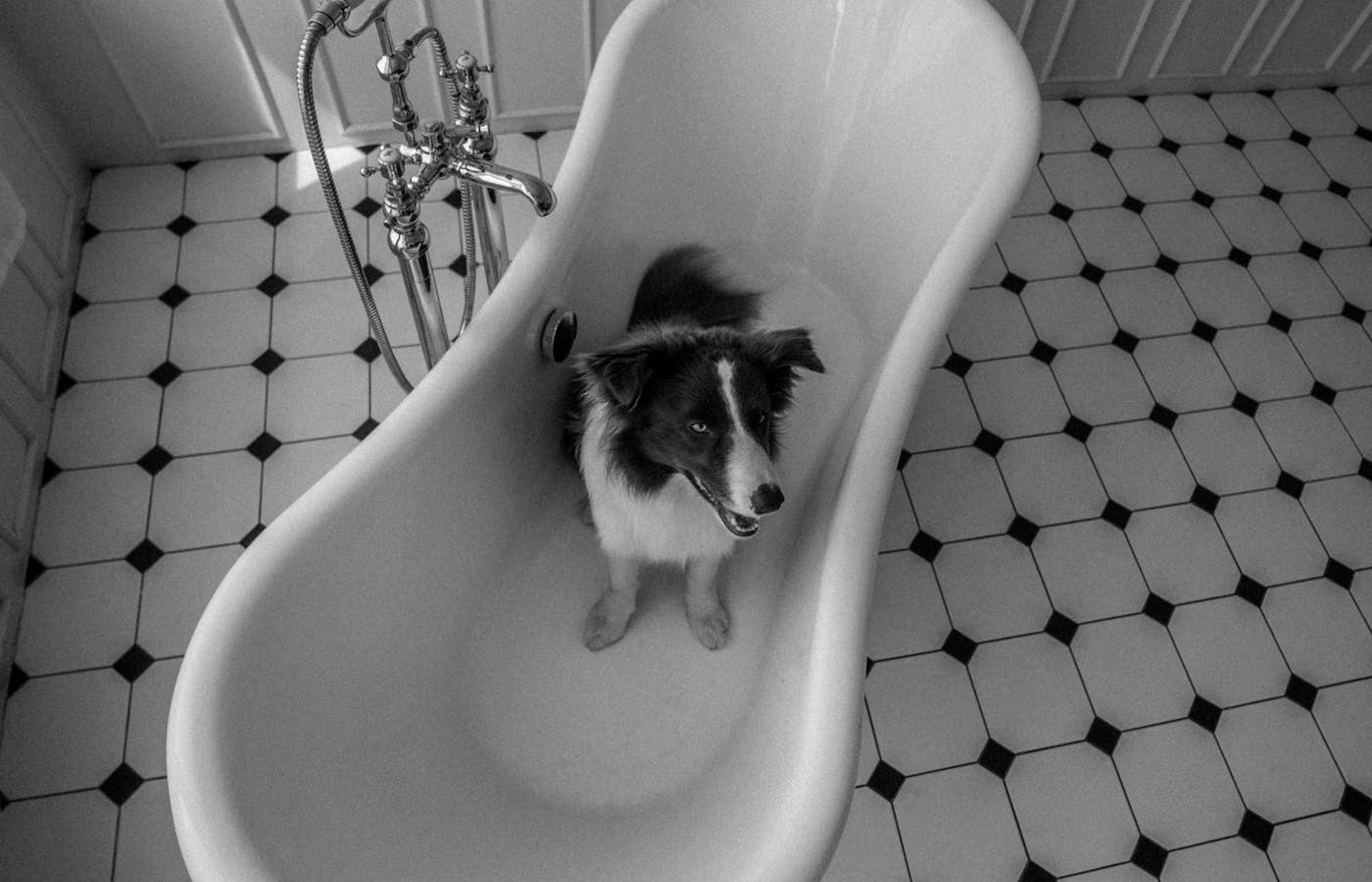
The hardest part of bath day often starts before the water is running. A dog can read slippery floors, rushed hands, loud spray, and a nervous owner very quickly, so the routine needs to feel predictable from the first step.
Learning how to bathe a dog at home without stress is mostly about preparation and pacing. The bath itself may take ten minutes, but the dog’s reaction is shaped by what happens before the water starts and how you respond when the dog gets tense.
I like to think of a home bath as a handling routine, not a cleaning project. The goal is a cleaner coat, yes, but also a dog who can get through the process without panic, slippery footing, loud surprises, or a long struggle at the end.
A calm bath is usually built before the dog is wet. If the towel, shampoo, mat, cup, treats, and exit path are already in place, you can stay focused on the dog instead of leaving the room mid-bath.
This guide keeps the routine practical for ordinary homes: a bathroom, laundry sink, tub, shower area, or outdoor wash spot when the weather is suitable.
Bathe your dog at home when the timing is right
Timing matters more than many new owners expect. Avoid starting a bath when your dog is already overexcited, hungry, exhausted, scared by visitors, or worked up after a noisy event. A bath adds handling, water, unusual surfaces, and close contact, so beginning from a calmer baseline helps.
Pick a window when you have enough time to slow down. Rushing is one of the easiest ways to make the bath feel rough. If you are watching the clock, you are more likely to pull, lift too quickly, forget a towel, or ignore small signs that the dog needs a pause.
For energetic dogs, a short walk or light play session beforehand can help, but do not make the dog overheated. For nervous dogs, keep the pre-bath routine quiet. Let them sniff the space, hear the water briefly, and step in and out before anything becomes a full wash.
If the coat is only lightly dusty, consider whether a damp cloth or paw rinse would solve the problem. Not every dirty moment needs a complete bath.
Set up the space before calling your dog
The bathing area should be boring in the best possible way: stable, warm enough, uncluttered, and easy to exit when you are finished. A nonslip mat or towel on the bottom of the tub helps many dogs because sliding feet can turn mild worry into panic.
Put shampoo, towels, treats, a cup or handheld sprayer, brush, and any ear-safe cotton or washcloths within reach before the dog enters. Use only dog-safe shampoo. Human shampoo can be too harsh for a dog’s skin, even when it smells mild to us.
Check the water temperature with your wrist. Lukewarm is the safest target for most dogs. Hot water can irritate skin, and cold water can make a nervous dog tense up faster.
| Bath item | Why it helps |
|---|---|
| Nonslip mat | Reduces sliding and makes standing feel more secure. |
| Two towels | One catches water early, and one finishes drying. |
| Dog shampoo | Cleans without using harsh human products. |
| Small treats | Rewards calm moments without overexciting the dog. |
Keep bottles and sharp grooming tools away from the edge. A dropped bottle in a tiled bathroom can undo several minutes of careful handling.
Use calm handling before the first rinse
Bring your dog into the bath area without chasing. If the dog hides, freezes, or backs away, pause and reduce the pressure. Calling cheerfully, placing treats near the area, and letting the dog step closer by choice is better than turning the first minute into a tug-of-war.
When lifting a small dog, support the chest and back end securely. For larger dogs, guide rather than drag. Keep your voice low and matter-of-fact. High, nervous praise can sometimes raise the energy level instead of settling it. The same calm setup matters in how often should you walk a dog?, where the routine has to feel predictable for the dog.
Before wetting the coat, touch the shoulders, chest, legs, and paws the way you will need to during the wash. This gives you a quick read on sensitivity. Some dogs tolerate water on the back but dislike paw handling; others dislike anything near the head.
Move like you have time, even when the bath is simple.
If your dog is extremely fearful, aggressive when handled, elderly, injured, or difficult to lift safely, a professional groomer or veterinarian may be the kinder and safer choice. A home bath should not become a contest of strength.
Wet the coat from the body outward
Start with the shoulders or back instead of spraying the face first. Many dogs handle water better when the first sensation happens on a larger body area. Use low water pressure when possible, and keep the sprayer close to the coat so it does not hiss loudly or splash into the dog’s ears.
Work slowly down the body, chest, belly, legs, and tail. Save the head for last, and use a damp cloth around the face if your dog dislikes direct spray. Avoid getting water into the ears, eyes, and nose. A dog who feels water running into the face may shake hard, scramble, or try to jump out.
Long coats need enough water to reach the skin, but that does not mean blasting the coat. Use your fingers to part thicker fur and check whether the undercoat is actually wet. If shampoo sits on a dry undercoat, it will not clean evenly and may be harder to rinse later.
Shampoo lightly and rinse more than you think
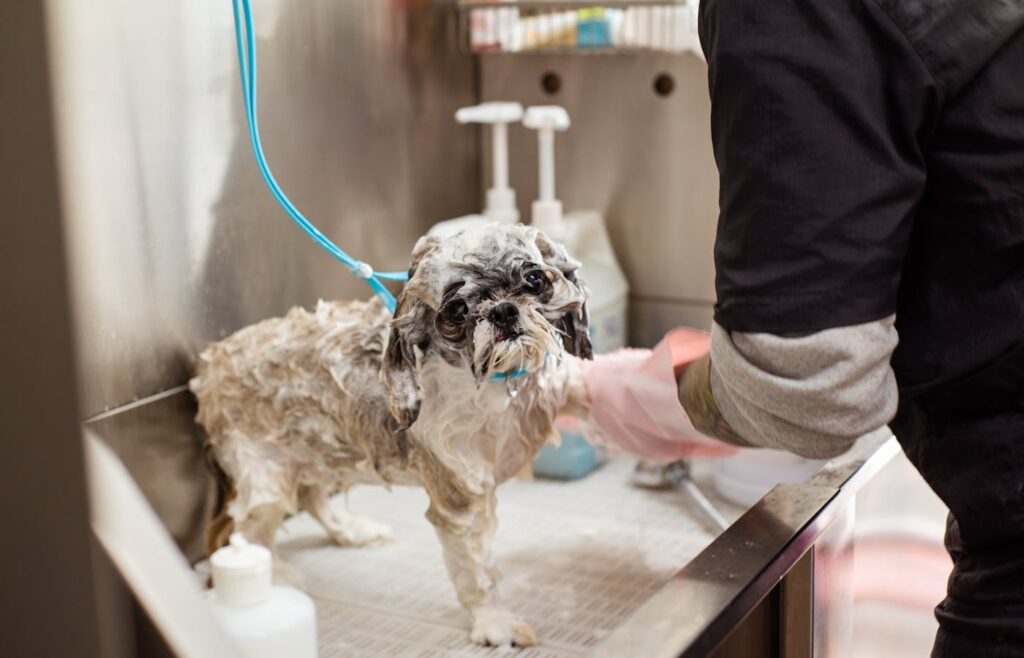
Use a modest amount of shampoo and spread it with your hands. More product does not mean a better clean; it usually means more rinsing. Start on the body and legs, then handle dirtier areas like paws, belly, and tail carefully. If your dog has skin issues or allergies, follow the product or veterinary directions instead of improvising.
Keep the massage gentle. Scrubbing hard can irritate skin, tangle longer coats, or make a sensitive dog brace against you. Focus on contact that is steady enough to clean but not so intense that the dog starts twisting away.
Rinsing is where many home baths fall short. Shampoo left behind can make the coat dull, itchy, or flaky. Rinse until the water runs clear and your hands no longer feel slippery residue in the coat. Check under the chest, behind the front legs, around the collar area, and near the tail because soap often hides there.
- Use less shampoo on short coats than you think you need.
- Keep product away from eyes, ears, and nose.
- Rinse the belly and armpit areas slowly.
- Check the collar area for leftover suds.
- Stop and reset if the dog starts slipping or panicking.
Dry your dog without turning it into a chase
Before your dog steps out, press a towel against the coat to catch the first rush of water. Rubbing wildly can excite some dogs and tangle long fur, so use firm towel pressure first, then gentle rubbing where the dog accepts it. Expect a shake; position yourself and the towel so that moment is not a surprise.
For short-coated dogs, towel drying may be enough in a warm room. Longer coats may need more time and careful brushing as they dry. If you use a dryer, use a low or cool setting, keep it moving, and introduce the sound gradually. Heat and noise can both make the end of the bath harder than the wash itself.
Do not release a wet dog onto slippery floors. Place a dry towel or mat outside the tub so the first step is stable. Close doors if needed, but do not make the bathroom feel like a trap. The exit should be controlled, not frantic.
The final two minutes shape the memory of the whole bath. A calm dry-off, a small reward, and a quiet release make the next bath easier.
Know when to shorten or stop the bath
A successful bath is not always a perfect bath. If your dog is shaking hard, trying to climb out repeatedly, growling, snapping, drooling heavily, or refusing to stand, shorten the session. Rinse out any shampoo that is already on the coat, dry the dog safely, and end without turning the problem into a longer battle.
There is a difference between mild dislike and real distress. Many dogs would rather skip bath day, but they can still accept calm handling. Real distress looks sharper: frantic escape attempts, stiff body language, tucked posture, whale eye, trembling that does not settle, or defensive behavior when touched.
Use shorter practice sessions between real baths if needed. Let the dog step into the dry tub for treats, hear water running from a distance, stand on the mat, or accept paw handling for a few seconds. These tiny sessions build familiarity without the full pressure of shampoo and rinse time.
- Prepare the space before calling the dog.
- Start water on the body, not the face.
- Use dog shampoo sparingly.
- Rinse until no slippery residue remains.
- Dry on a stable surface.
- End before the dog becomes overwhelmed.
How to bathe a dog at home without stress comes down to a calm setup, steady handling, careful rinsing, and a willingness to stop before the dog panics. When bath day feels predictable, even a dog who dislikes water can learn that the routine is manageable.