Why Does My Cat Sleep So Much?
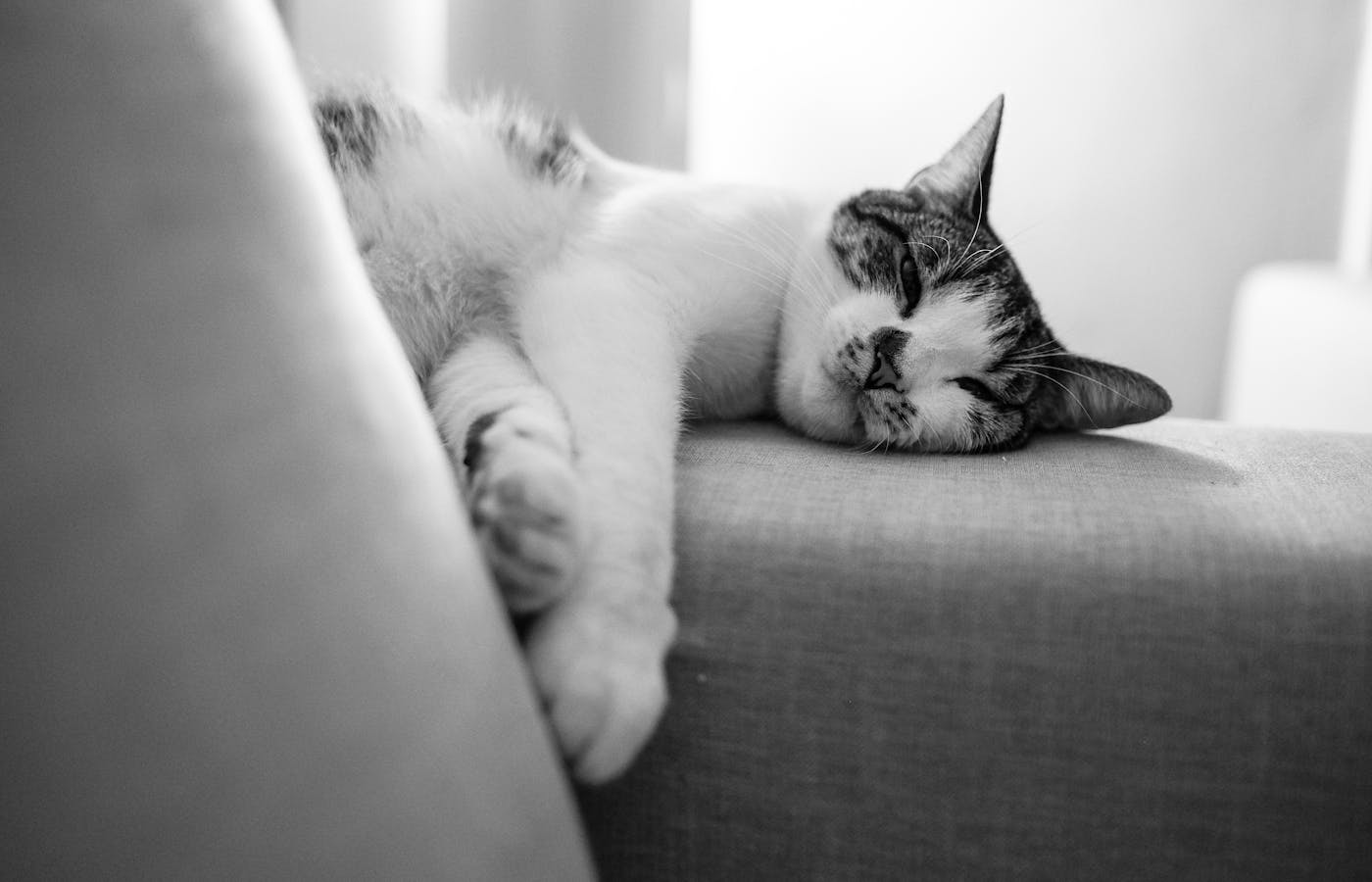
A cat can seem asleep for most of the day and still be healthy, playful, and alert when the right moment arrives. That is one reason the question “why does my cat sleep so much?” can be tricky. Cats rest a lot by nature, but owners also need to notice when sleep changes into unusual low energy.
Most cats move through short bursts of activity, watchful resting, light naps, and deeper sleep. Indoor cats may look even sleepier because their environment is predictable. They do not need to patrol a large outdoor territory, hunt for meals, or react to constant changes. Rest becomes a large part of the daily rhythm.
The useful question is not only how many hours your cat sleeps. It is whether your cat wakes, eats, plays, grooms, and interacts in a way that fits their normal pattern.
Understand why cats sleep in frequent rest cycles
Cats are natural energy savers. Their bodies are designed for short active bursts followed by rest. Even indoor cats often keep that pattern: a quick sprint down the hallway, a few minutes at a toy, a meal, a grooming session, and then another nap. To a human schedule, that can look like constant sleeping.
Many adult cats sleep or rest for a large part of the day. Kittens and senior cats may rest even more. Some of that time is light sleep, where the cat can wake quickly at a sound, smell, or movement. The ears may twitch, the paws may shift, and the cat may open their eyes without fully getting up.
This is why raw hours can be misleading. A cat resting on the couch all afternoon may still have normal energy at breakfast, dinner, and playtime. The pattern matters more than the total number. A sleepy-looking cat is not automatically an unhealthy cat.
Start by comparing your cat with their own usual behavior rather than another cat online. Some cats are naturally quiet and nap-heavy. Others move around more often. A change from the cat’s normal baseline is more meaningful than a single lazy day.
Look at age before judging cat sleep habits
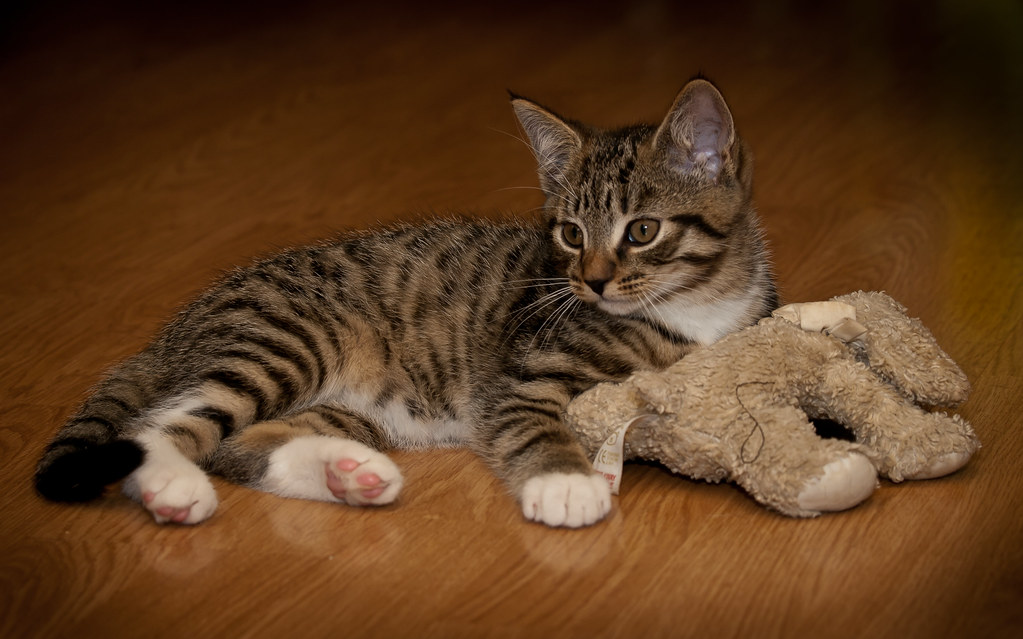
Age changes how much a cat sleeps and how that sleep looks. Kittens may sleep deeply after bursts of play because growing takes energy. They can seem wild one minute and completely asleep the next. That quick switch is often part of normal kitten life.
Adult cats usually settle into more predictable routines. They may sleep during the day, become active around dawn or evening, and rest again after meals. If the home is calm, an adult cat may spend many hours in favorite resting spots while still being alert when food, toys, or people appear.
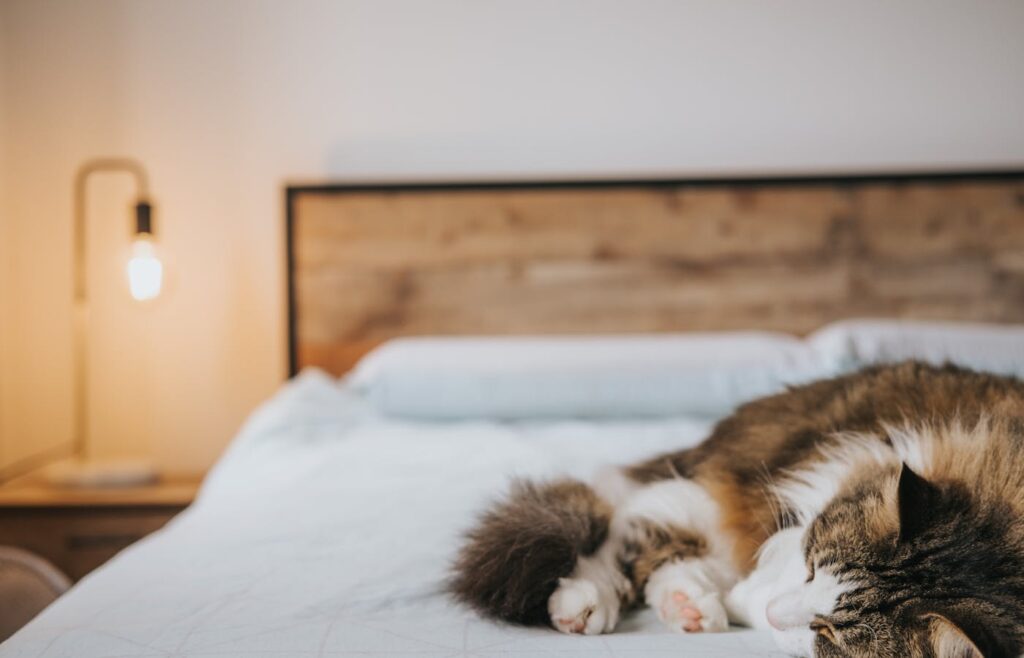
Senior cats may sleep more because their bodies recover more slowly, joints may feel stiff, and activity may take more effort. However, older age should not be used to ignore every change. A senior cat who suddenly hides, stops eating, stops grooming, or seems weak needs attention even if extra sleep seems “age related.”
- Kittens often nap hard after short play sessions.
- Adult cats may rest most during quiet daylight hours.
- Senior cats may need more recovery time after activity.
- Sudden changes matter at any age.
Check whether your cat is sleeping or simply resting
A cat may look asleep when they are actually resting lightly. Cats often lounge with eyes half closed, ears moving, and bodies relaxed while still tracking the room. This kind of watchful rest is different from deep sleep, and it is a normal part of how many cats spend the day.
Notice what happens when something interesting occurs. Does your cat respond to a food routine, a favorite toy, a familiar voice, or a window sound? A cat who wakes, stretches, and participates may simply be resting often. A cat who seems difficult to rouse, disoriented, or uninterested in everything is more concerning.
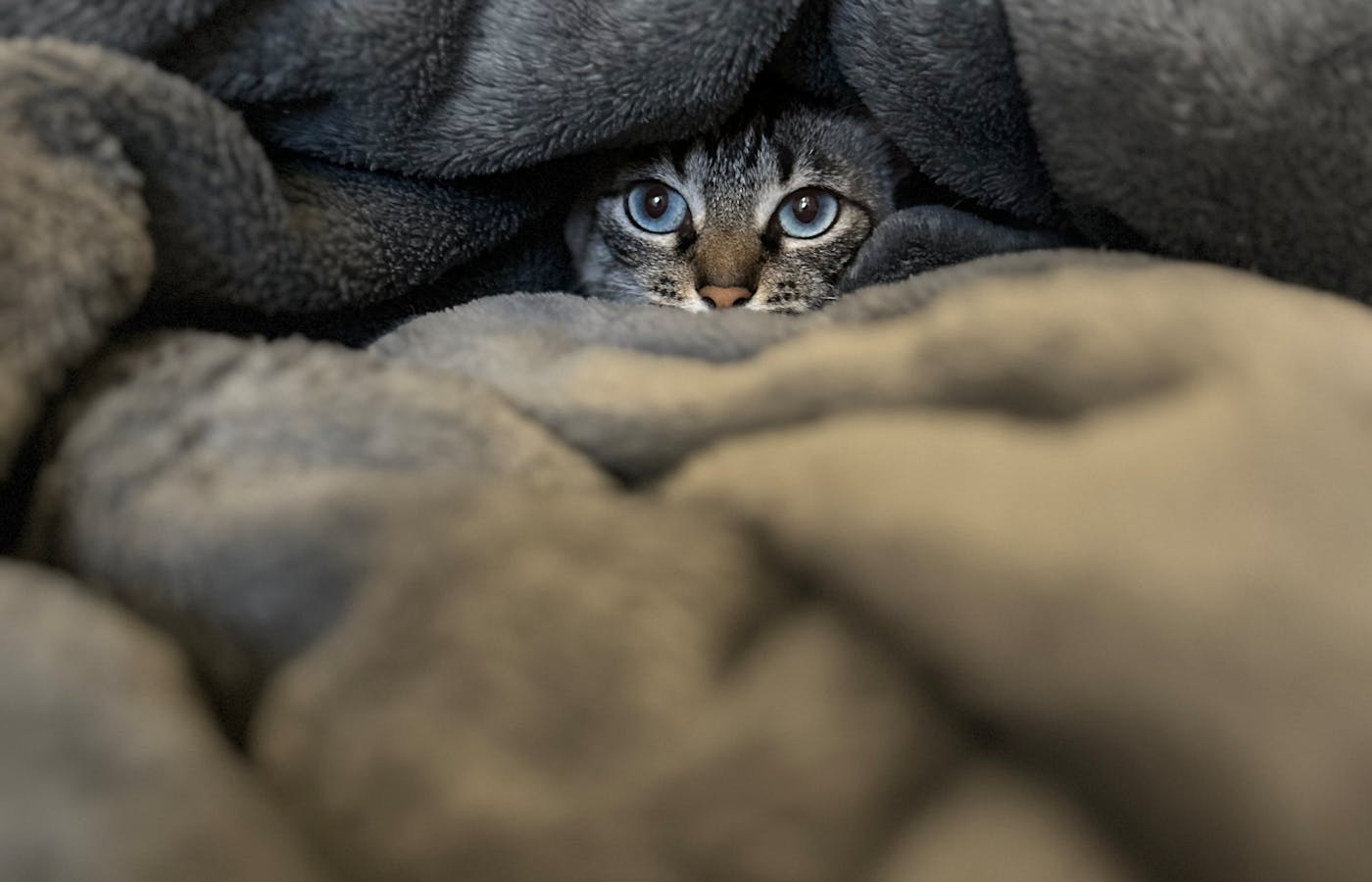
Sleep location also gives clues. A cat resting in open, comfortable places may feel secure. A cat suddenly hiding to sleep in unusual places may be avoiding noise, stress, pain, or another pet. One hidden nap is not a crisis, but a new hiding pattern deserves closer observation.
Body position can help too. A cat curled normally on a bed is different from a cat crouched tightly, breathing oddly, or refusing to settle. Rest should look comfortable, not guarded or strained.
Consider boredom and a quiet indoor routine
Indoor cats sometimes sleep more because very little interrupts the day. If the same rooms, same windows, same food schedule, and same toys repeat without much variety, the cat may choose rest because there is not much else to do. This is common in quiet homes.
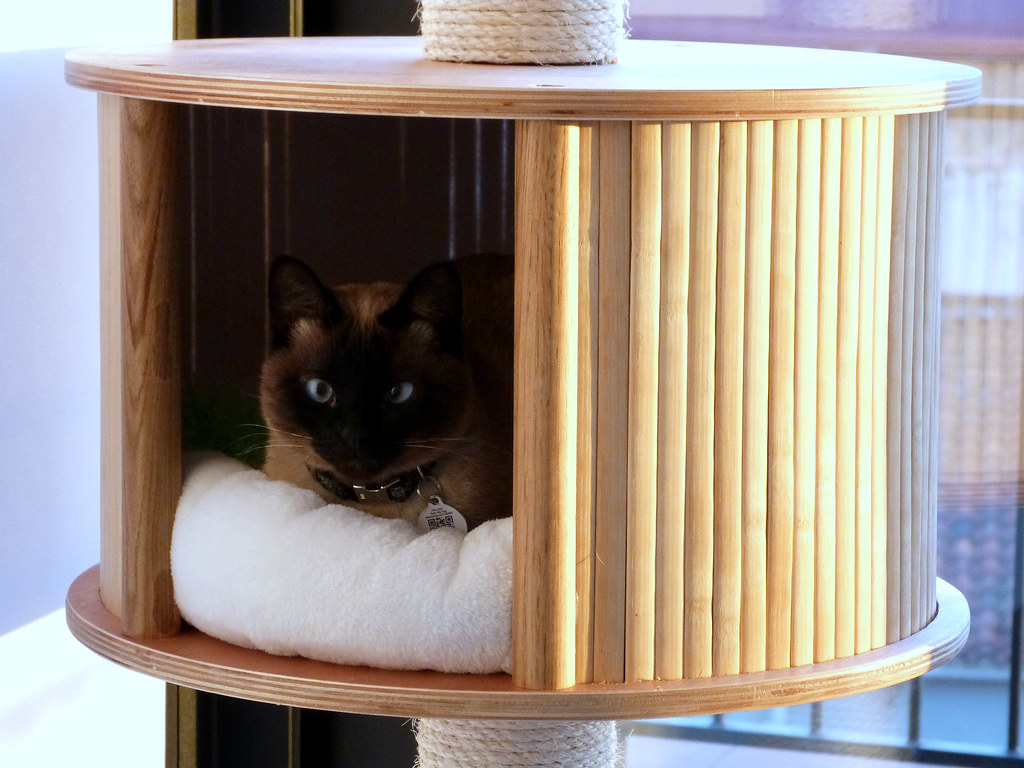
Boredom does not mean the owner is doing something wrong. It means the cat may need more predictable activity points. Short play sessions, food puzzles, window perches, scratching posts, climbing spaces, and scent-safe exploration can give the day more shape without overwhelming the cat.
Try brief play before meals. Many cats respond well to a few minutes of chasing, pouncing, and then eating. The session does not need to be long. It needs to be consistent enough that the cat has chances to use energy during the parts of the day when they are naturally more alert.
Watch whether sleep changes after enrichment. If a cat naps a lot but becomes more engaged with play, windows, food puzzles, or family routines, the extra rest may have been partly about a quiet environment rather than a health problem. That adjustment is easier to read alongside cat zoomies, because small behavior changes can mean different things for a cat.
Does your cat sleep more after routine changes?
Cats often adjust sleep around weather and household changes. Rainy days, hot rooms, cold corners, visitors, construction noise, moving furniture, new pets, or a changed feeding schedule can all affect where and how much a cat rests. A cat may sleep more after a stressful day because the body is recovering.
Heat can make a cat less active. Cold weather may send a cat to warm beds, blankets, or sunny spots. Loud activity may push the cat into a quieter room. A new pet may make the cat sleep lightly instead of relaxing deeply. These patterns are worth noticing because they show what the cat is responding to.
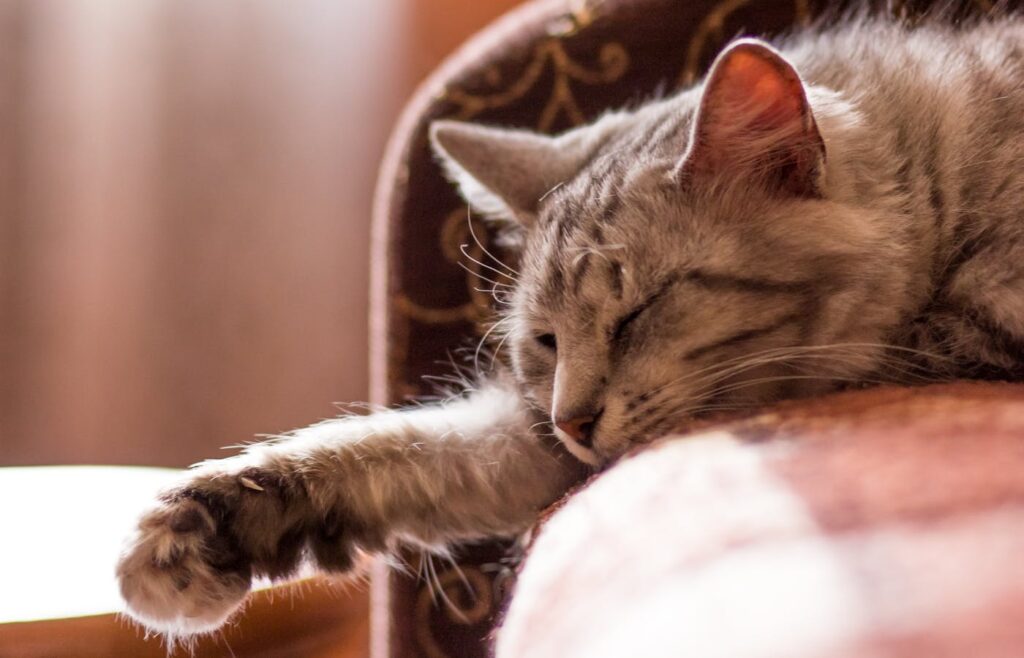
If sleep changes after a clear event, adjust the environment first. Add a quiet resting place, keep food and litter access predictable, protect a favorite perch, and give the cat places to retreat without being disturbed. A calmer setup can help the cat return to a normal rhythm.
- Offer a quiet bed away from traffic and loud rooms.
- Keep food, water, and litter locations consistent.
- Watch for stress after visitors, moves, or new pets.
- Use gentle play instead of forcing activity.
Watch for signs that sleep is part of a bigger change
Extra sleep deserves more attention when it appears with other changes. A cat who sleeps more but still eats, drinks, uses the litter box, grooms, stretches, and responds normally is different from a cat who is withdrawn, weak, painful, or uninterested in normal routines.
Pay close attention to appetite, water intake, litter box habits, grooming, breathing, walking, jumping, and social behavior. A cat who stops eating, hides constantly, breathes with effort, cries when touched, cannot jump as usual, or seems confused should not be treated as simply sleepy.
Some problems show up subtly. A cat with sore joints may sleep more because movement hurts. A cat with dental discomfort may rest but avoid food. A stressed cat may sleep in hidden spots and groom less. These changes are easier to catch when you know the cat’s ordinary routine.
If the sleep increase is sudden, severe, or paired with appetite changes, litter box changes, pain signs, breathing changes, or unusual hiding, contact a veterinarian. Sleep alone may be normal. Sleep plus a clear behavior change deserves help. Trust the pattern you see at home, especially when the cat no longer responds to routines that usually matter.
Track why your cat sleeps more instead of guessing
One quiet day does not tell the whole story. Cats can sleep more after a busy night, a stressful appointment, extra play, hot weather, or a change in the house. Tracking the pattern for a few days can help you see whether the sleep is normal variation or a real shift.
Keep the notes simple. You do not need a complicated chart. Write down meals, play interest, litter box use, hiding, grooming, and any unusual behavior. If you need to call the vet, those notes are more useful than saying the cat “seems sleepy.” They show what changed and when.
- Note when your cat is awake and active.
- Track appetite, water, and litter box changes.
- Write down hiding, limping, or grooming changes.
- Compare the pattern with your cat’s usual routine.
- Call the vet if sleep changes come with warning signs.
Asking why your cat sleeps so much is reasonable, especially when a nap-heavy day feels unusual. Many cats naturally rest for long stretches, and indoor routines can make sleep look even more obvious. The key is to compare the sleep with age, routine, interest in play, appetite, grooming, litter habits, and overall comfort.