How to Create a Daily Routine for a New Dog
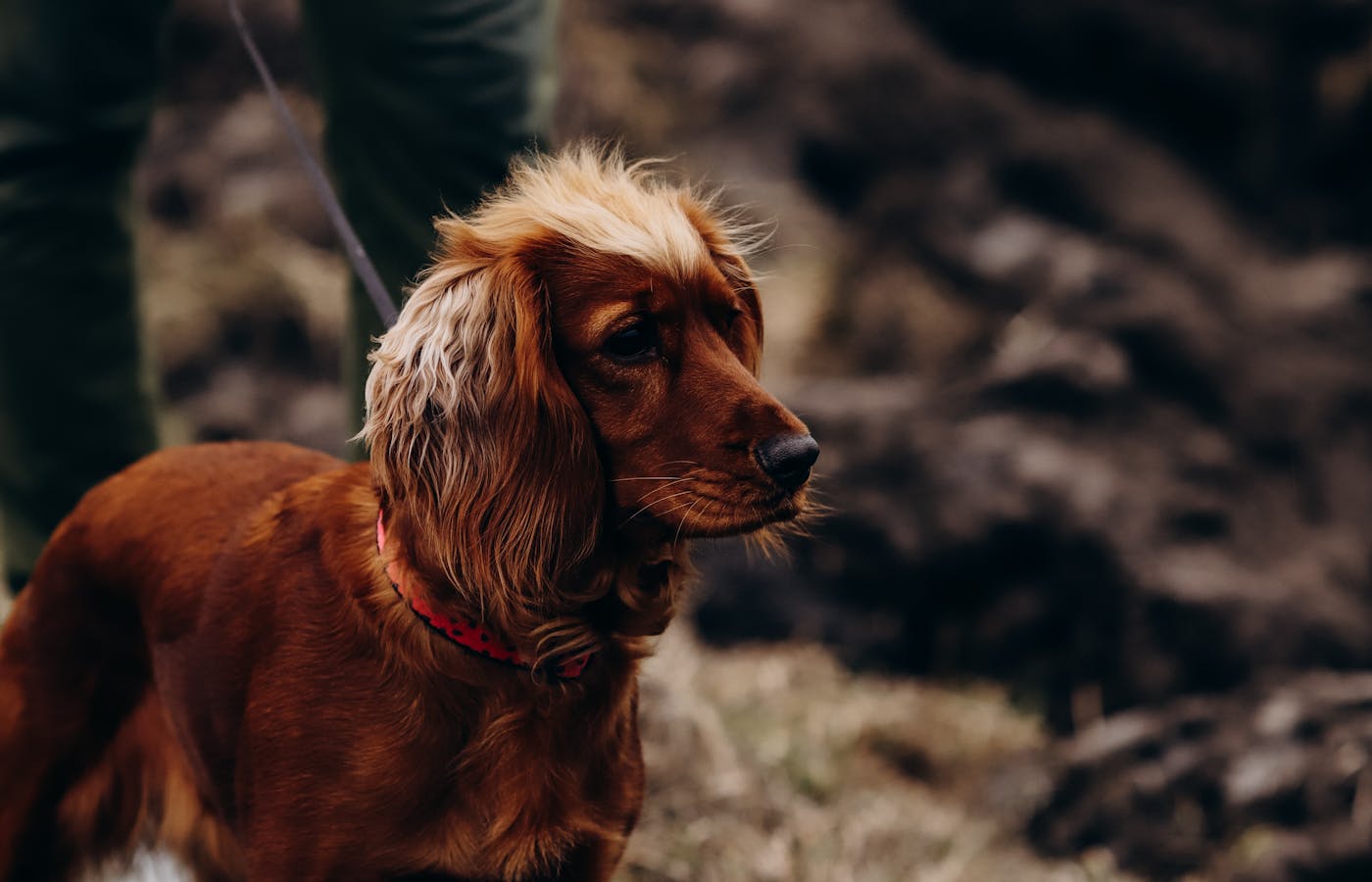
The first days with a new dog can feel noisy even when the house is quiet. The dog is learning smells, doors, people, rules, sounds, and where to rest. The people are learning signals, timing, appetite, energy, and what happens when nobody notices the dog walking in circles near the door.
A daily routine does not need to be strict to be useful. It gives the dog a pattern: wake up, go outside, eat, rest, learn, move, settle. I like routines that are predictable for the dog but flexible enough for a normal household.
Anchor the day around potty breaks, meals, and sleep
Start with the non-negotiables. Most new dogs need a bathroom break first thing in the morning, after meals, after naps, after active play, before bedtime, and anytime they show signs such as sniffing, circling, whining, pacing, or heading toward a door. Puppies and newly adopted dogs often need more frequent chances while everyone learns the pattern.
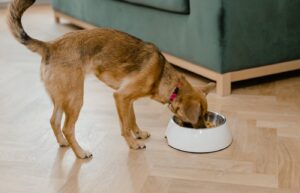
Meals should happen at consistent times, using the food and amount recommended for the dog unless your veterinarian or shelter gives different instructions. Put the bowl down, give the dog a calm place to eat, then remove leftovers after a reasonable window if free-feeding is not part of your plan. Food timing helps you predict potty timing, which is one reason routine matters.
Sleep is easy to underestimate. A tired dog can look wild, mouthy, restless, or unable to listen. Build real rest into the day with a crate, pen, mat, bed, or quiet room where the dog is not constantly entertained. Rest is part of training, especially for young dogs who do not know how to stop themselves.
During the first week, write down the times that produce success. If the dog reliably needs to go out twenty minutes after breakfast, that note is more useful than a generic schedule. Patterns appear quickly when you track meals, water, naps, accidents, and outdoor trips.
| Routine anchor | Why it helps |
|---|---|
| Morning potty trip | Starts the day with a clear success |
| Set meal times | Makes appetite and bathroom timing easier to read |
| Planned naps | Prevents overtired behavior |
| Bedtime break | Reduces overnight accidents and restlessness |
Plan walks and play around the dog’s actual energy
A new dog does not need the same exercise plan as every other dog on the street. Age, breed mix, health, confidence, weather, and previous routine all matter. Some dogs need a gentle sniff walk more than a long march. Others need short bursts of play before they can settle. Watch the dog you have, not the schedule someone else posted.
Use walks for more than physical exercise. Let the dog sniff, pause, hear neighborhood sounds, and learn how to move with you. Sniffing can be mentally tiring in a good way. If the dog is nervous, keep early routes short and familiar. If the dog pulls hard or jumps at everything, choose quieter times and reward attention before expecting a polished walk.
A practical starting point: two or three short outings may work better than one long outing during the first week. You can adjust later. The goal is not to exhaust the dog; it is to create a daily rhythm that lowers stress and gives energy somewhere appropriate to go.
Build in a quiet return after walks. Offer water, remove gear calmly, and let the dog rest before starting another exciting activity. Some dogs come home more alert than tired, especially after busy routes. A predictable cooldown teaches that the walk ends with settling, not with another burst of chaos.
Add tiny training moments instead of one long lesson
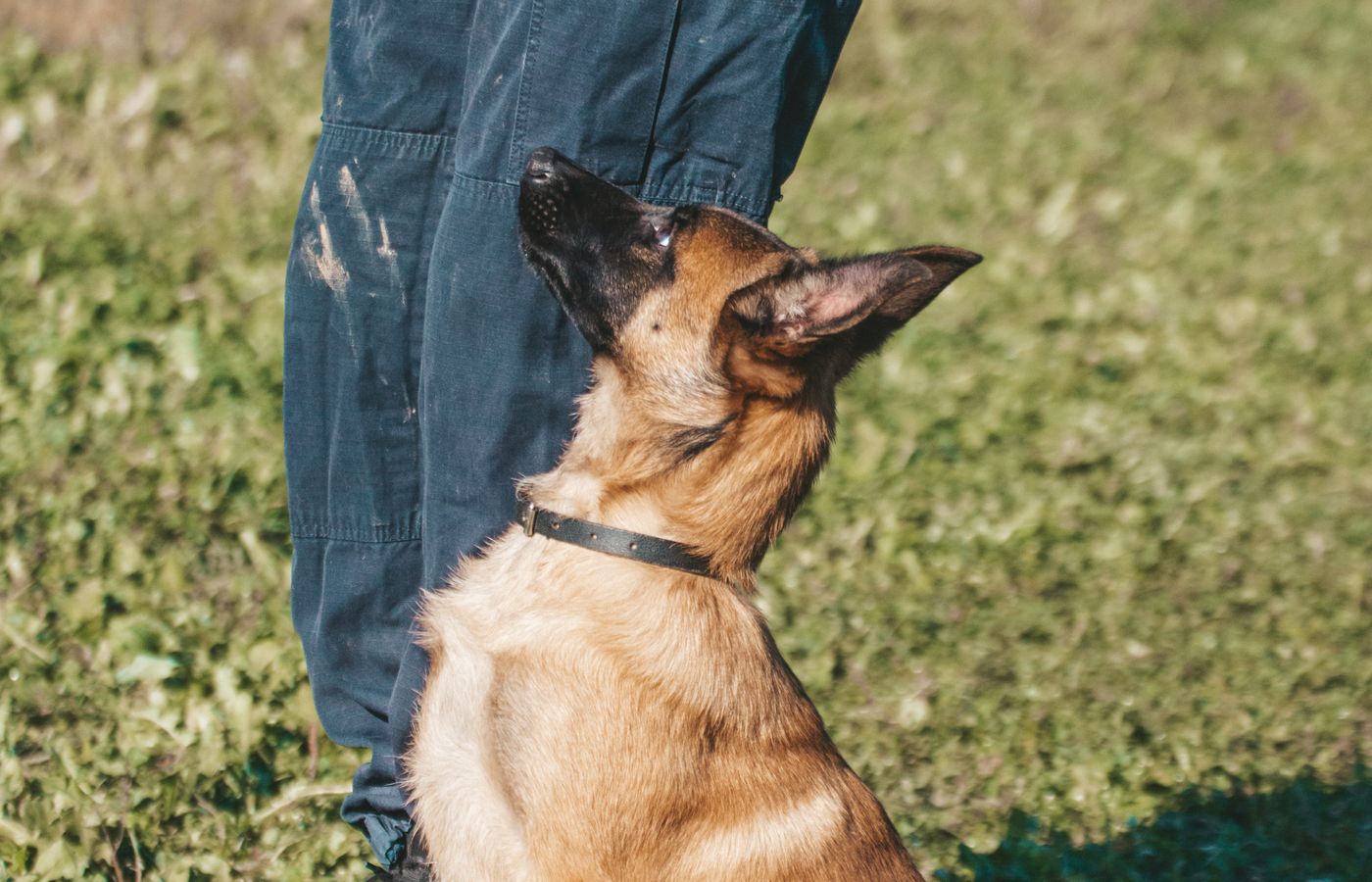
Training fits better when it is woven into the day. Ask for a sit before the leash clips on, reward the dog for looking at you outside, practice name response in the kitchen, or mark calm behavior on a mat while you make coffee. These tiny repetitions teach the dog what works in real life.
Keep sessions short. Three minutes of focused practice can be more useful than twenty minutes after everyone is frustrated. Work on one or two skills at a time: name, sit, touch, come, leash handling, or settling on a mat. Reward quickly and end before the dog checks out. If the dog stops taking treats, becomes frantic, or wanders away, the session may be too hard, too long, or too distracting.
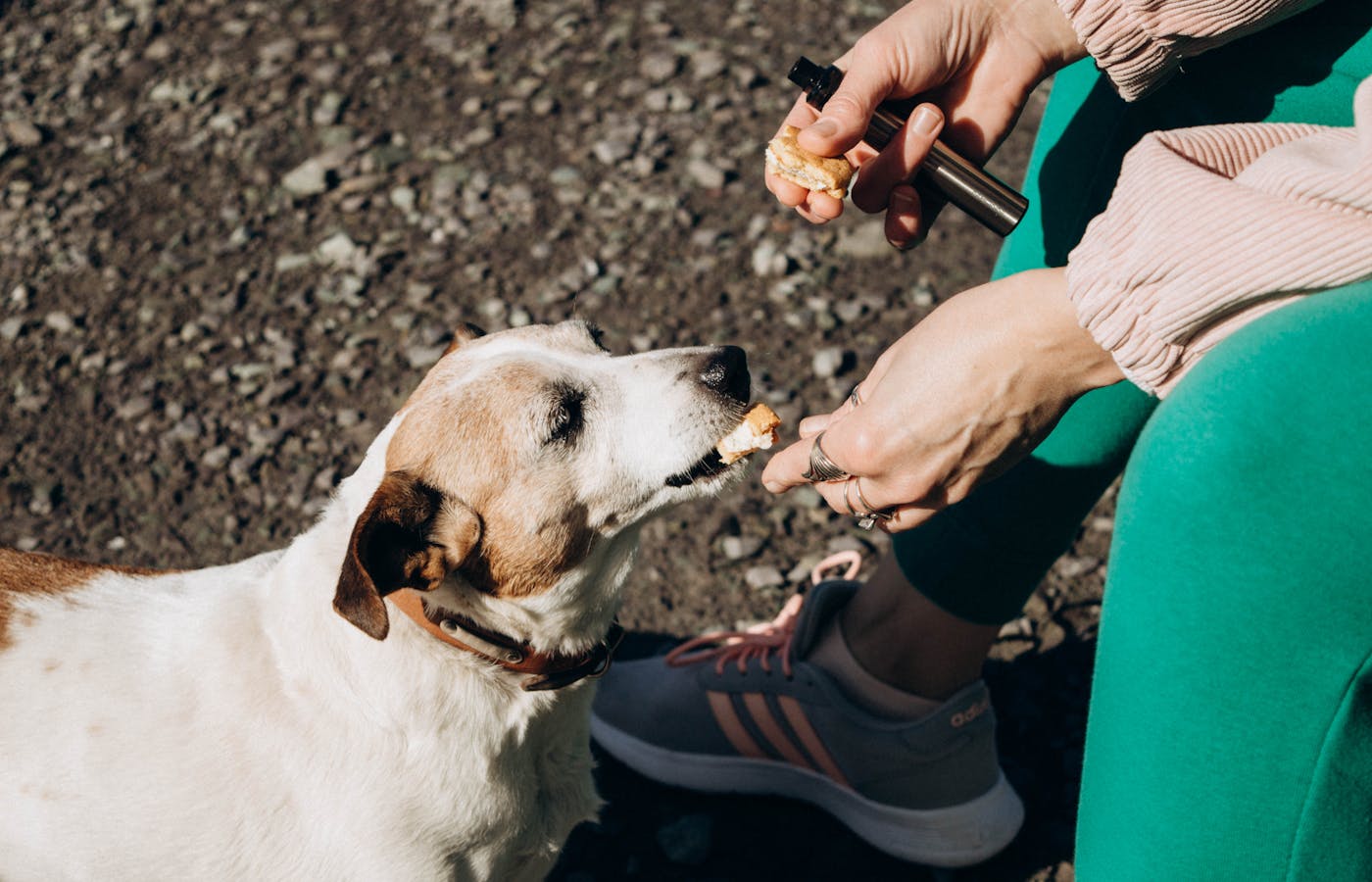
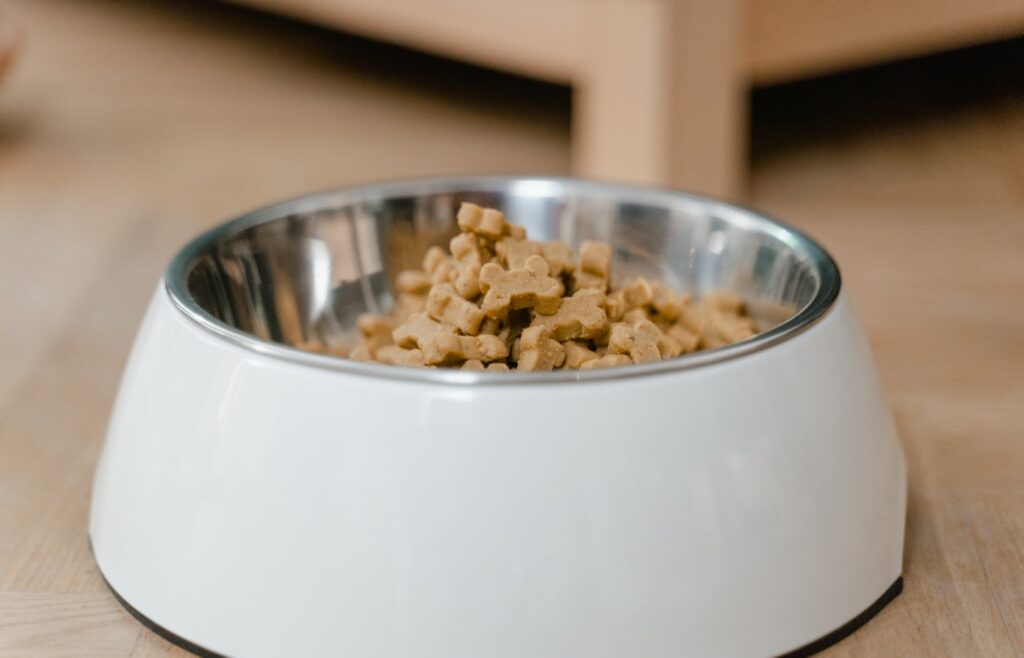
Use meals if the dog enjoys food. A few pieces of kibble can reward door manners, crate entry, quiet moments, or walking beside you for several steps. That turns normal care into teaching without adding another chore block to the calendar.
Keep the same words for the same actions. If one person says “crate,” another says “bed,” and another says “go lie down,” the dog may need longer to understand. Choose simple cues and reward the behavior when it happens, especially in the first days. A daily dog routine is easier to keep when the spaces the dog uses are safe, so a pet home-safety routine can remove preventable hazards from the day-to-day setup.
Practice alone time and calm household behavior early
Many people accidentally teach a new dog that every waking minute involves attention. Then the first real work call, school run, or grocery trip feels alarming. Add small alone-time practice from the beginning, even if you are home. Give the dog a safe space, something appropriate to chew, and a short period where nobody talks, touches, or stares.
Start with minutes, not hours. Walk out of the room, return calmly, and avoid turning each reunion into a party. If the dog panics, soils, drools heavily, scratches doors, or cannot recover, that is more than normal protest and may need professional guidance. But many dogs benefit from gentle practice before alone time becomes a big event.
- Reward the dog for lying on a mat during quiet time.
- Keep exciting greetings brief and calm.
- Use baby gates or pens to prevent constant following.
- Rotate safe chews so settling has a clear job.
The home routine should teach both activity and stillness. A dog who can rest while life happens is easier to live with and usually less stressed. Routine also depends on a first-time pet care checklist, because feeding, grooming, rest, and cleanup need to fit the same day.
Watch for stress signals during this practice: yawning when not tired, lip licking, tucked tail, frantic pacing, refusing food, or barking that escalates instead of fading. Those signs do not mean the routine is wrong, but they do mean the step may be too big.
Make evenings predictable without making them rigid
Evening is where many routines fall apart. People are tired, dinner is happening, the dog wants attention, and the house gets busier. Choose a simple order: bathroom break, dinner, short calm activity, rest, final bathroom trip, sleep. Keep roughhousing and loud play away from the last part of the night if the dog struggles to settle.
Review the day in practical terms. Did the dog have accidents at the same time? Did walks create calm or more excitement? Did meals happen too close to bedtime? Did the dog nap enough? Adjust one thing at a time so you know what helped. Changing food, walk length, crate location, bedtime, and training all at once makes the pattern harder to read.
If the dog becomes restless every evening, look earlier in the day before blaming the night routine. The dog may need more rest, an earlier meal, a shorter evening walk, fewer visitors, or a calmer place away from noise. Evening behavior often reflects the whole day.
- Track meals, potty trips, naps, and restless times for a few days.
- Adjust one part of the routine instead of changing everything at once.
- Keep evening cues quiet and predictable.
- Give the dog a calm place to recover after walks or visitors.
A good routine feels like a shared language. The dog learns what comes next, and the people stop guessing every hour. It will change as the dog grows more confident, but the early structure gives everyone a calmer place to begin.