How to Make Your Home Safer for a New Dog
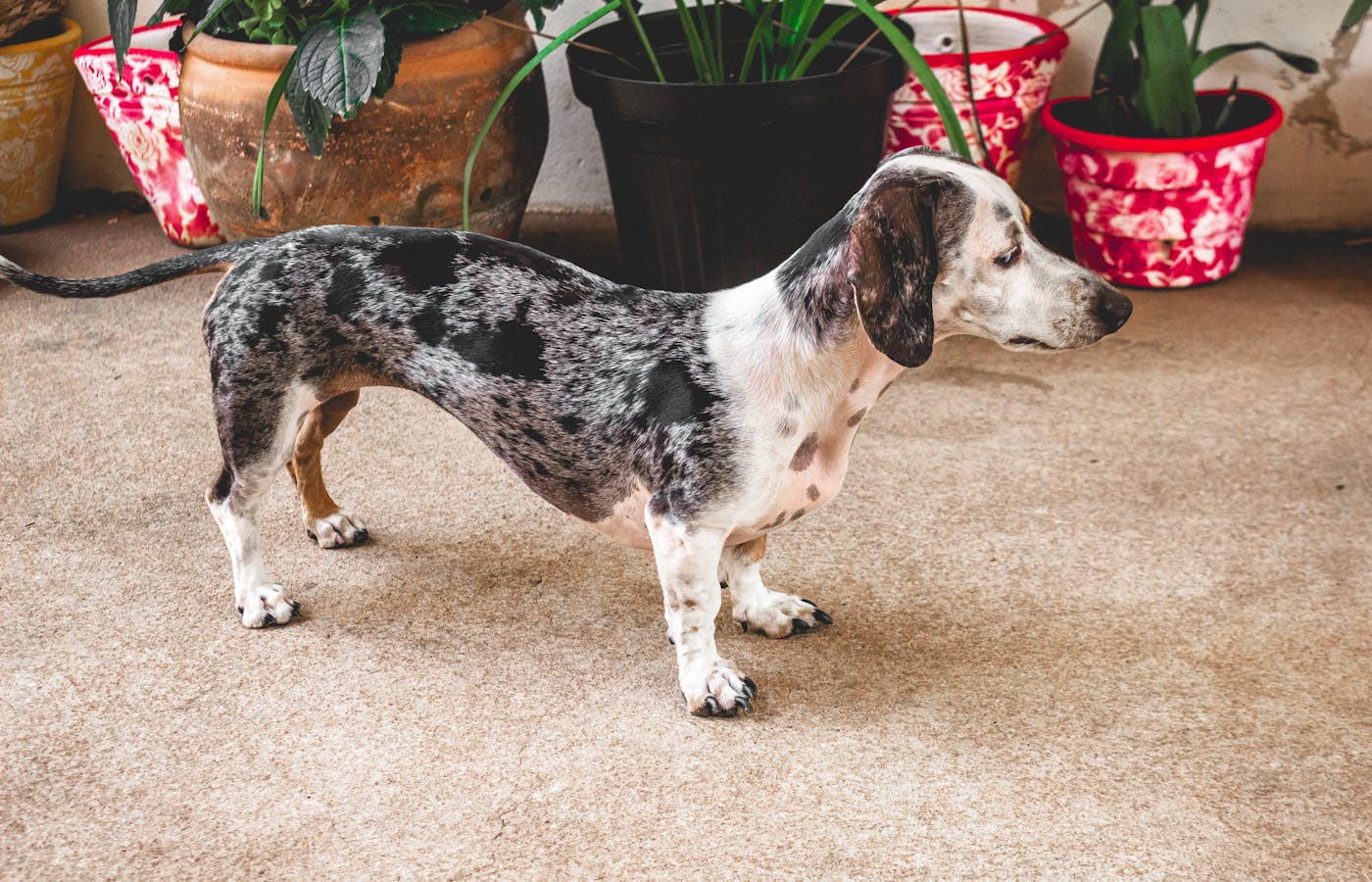
A new dog makes the whole home more interesting. Shoes, cords, plants, trash cans, stairs, open doors, low shelves, and food left on a table can all become part of the dog’s first investigation. Making the home safer before that first week reduces accidents and gives you more room to observe calmly.
I like to treat new-dog safety as a room walk, not a shopping list. The useful question is simple: what can the dog reach, chew, swallow, knock over, escape through, or get trapped behind? Once those risks are clearer, the fixes become practical instead of overwhelming.
Start the new dog home safety check at the dog’s eye level
The first safety pass should happen lower than a human normally looks. Kneel or sit in each main room and scan the floor, lower shelves, chair legs, cords, bags, shoes, plant pots, small toys, loose socks, and anything tucked under furniture. A new dog does not read a room by categories. They read it by smell, texture, motion, and access.
Pay special attention to objects that are harmless to adults but risky for a dog. Hair ties, rubber bands, medication bottles, dropped pills, batteries, sewing supplies, craft items, children’s toys, and small food wrappers can disappear quickly. If the dog is a puppy, assume chewing will be part of the first-week learning process.
A safer setup still feels like a normal home. What matters is removing surprises before supervision gets tested. Put low-risk daily items in closed bins, move small objects above reach, and block tight spaces where a nervous dog could wedge behind furniture.
- Walk each room from the dog’s height.
- Remove swallowable objects from floors and low shelves.
- Lift cords, chargers, and loose fabric away from chewing paths.
- Close access to rooms you cannot supervise yet.
- Choose one safe starter area for the first few days.
Secure doors, stairs, balconies, cords, and the first safe room
Escapes and falls are easier to prevent before the dog knows the layout. Check front doors, sliding doors, garage doors, balcony doors, loose screens, yard gates, and stair access. A new dog may bolt from excitement or fear before they know your voice, routine, or boundaries. Use closed doors, gates, leashes, and calm transitions instead of trusting good intentions. For puppy-specific routines, AKC puppy information is useful context before changing crate, food, or training habits.
Cords deserve their own pass. Phone chargers, lamp cords, computer cables, extension cords, and power strips should be lifted, covered, or blocked. Chewing a cord can injure the dog and create a household hazard. If a cord must stay low, use a cord cover and keep the dog away from that area when unsupervised.
The safe starter room should be boring in a good way. Choose a room or gated area with water, washable bedding, safe chew items, easy cleanup, and no access to risky shelves or trash. Avoid using isolation as punishment. This area is a landing place where the dog can rest while the household learns its habits.
Move plants, foods, medication, and cleaning products out of reach
Plant and food safety need more caution than many new owners expect. Some plants can irritate or poison dogs, and some human foods are unsafe even in small amounts. Before the dog arrives, move houseplants out of reach until you confirm they are dog-safe. If you cannot identify a plant confidently, treat it as off-limits.
Kitchen counters, coffee tables, low pantry shelves, lunch bags, and open trash cans should be checked carefully. Chocolate, grapes, raisins, onions, garlic, xylitol-sweetened products, alcohol, and some rich or fatty foods are common risks. The safest first-week habit is to keep human food closed away and avoid testing “just a little” treats.
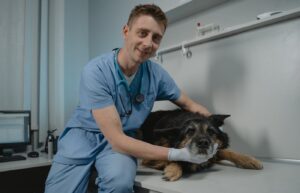
Medication should be behind a closed cabinet or drawer, not on a nightstand or bathroom counter. That includes vitamins, pain relievers, prescription bottles, topical creams, and pill organizers. Cleaning products, laundry pods, pest control products, essential oils, and chemicals belong in latched or closed storage. If the dog gets into any questionable substance, call a veterinarian or pet poison hotline quickly rather than waiting for symptoms. Dog-proofing works better when safety checks become routine, and a first-time pet-care checklist can keep that sweep from being a one-time task.
Give the dog safe chewing, resting, and feeding choices before problems start
Dogs explore with their mouths, especially during stress, boredom, teething, or a big transition. A safer home should include legal chewing choices before the dog starts sampling chair legs, shoes, blankets, and cords. Choose chew items appropriate for the dog’s size, age, and chewing strength. Very hard items can damage teeth, and small pieces can become swallowing risks.
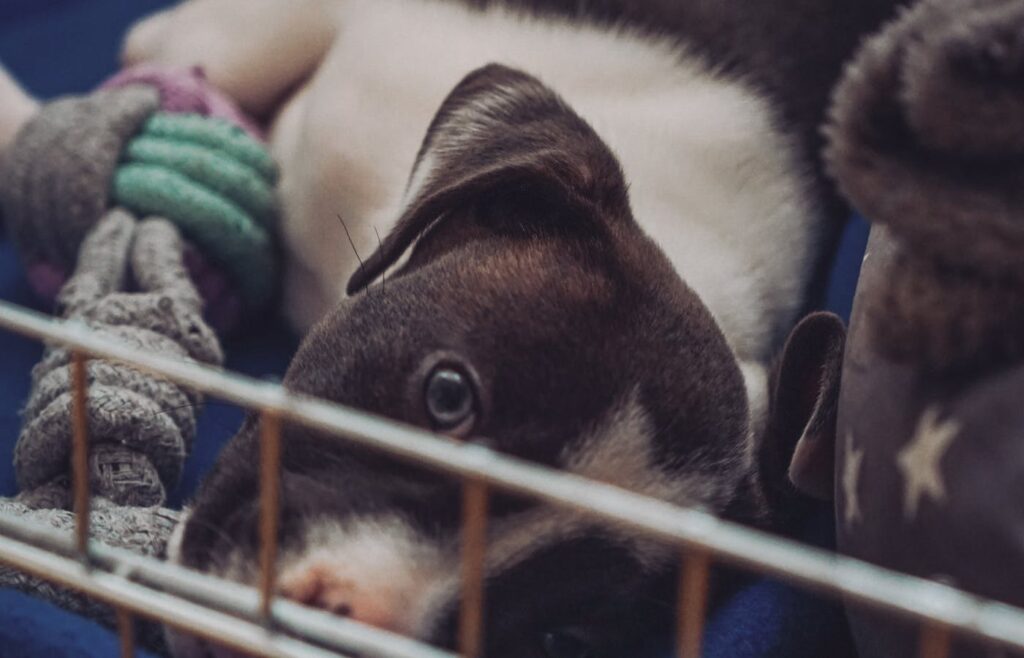
Resting areas should be easy to clean and placed away from constant traffic. A new dog may sleep deeply, startle easily, or choose a corner that feels protected. Put the bed or crate where the dog can observe without being stepped over. If the dog uses a crate, it should fit properly and stay positive, never become a place for anger.
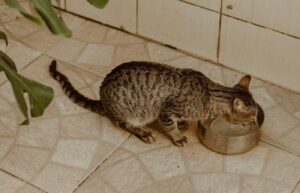
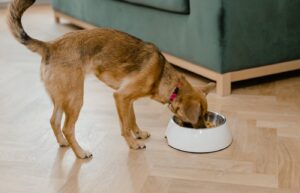
Feeding safety is also part of the setup. Use stable bowls, keep fresh water available, and place food where the dog can eat without competition from other pets. Do not leave bags of food open on the floor. Many dogs will eat beyond a normal meal if they can reach the supply.
- Offer safe chew items before furniture becomes interesting.
- Keep food bags closed and off the floor.
- Place water where it is easy to find but hard to tip repeatedly.
- Give the dog a washable resting spot away from door traffic.
- Supervise new toys until you know how the dog chews.
Plan supervision around trash, laundry, toys, and other pets
Many safety problems happen during small gaps: someone takes a call, opens the door, cooks dinner, changes laundry, or assumes another person is watching. During the first week, decide who is responsible for the dog during busy moments. If nobody is responsible, the dog should be in the safe starter area.
Trash cans are high-value targets. Kitchen trash may contain bones, wrappers, spoiled food, coffee grounds, or sharp packaging. Bathroom trash may contain dental floss, razors, hygiene products, and medication packaging. Use lids, cabinets, or blocked access instead of hoping the dog ignores smells.
Laundry and children’s toys can also become hazards. Socks, underwear, small plush toys, building pieces, and foam items are easy to chew and swallow. If children live in the home, create a quick toy sweep before the dog has unsupervised access. Resident pets need protection too. Introductions should be controlled, slow, and separated when nobody can supervise.
Review the home after the first week and adjust to the dog in front of you
The first setup is only a starting point. After several days, the dog will show you what actually matters. One dog may ignore plants but target shoes. Another may stare at the trash can, jump at doors, chew blankets, or try to squeeze behind the sofa. Adjust the home based on observed behavior, not on a generic idea of a perfect setup.
Write down the three biggest risks you noticed during the first week. Then fix those first. If the dog is chewing cords, cord management moves to the top. If the dog is counter-surfing, food storage and kitchen boundaries matter more. If the dog hides, the safety plan should include calmer retreat spaces and fewer forced interactions.
A safer home for a new dog is not a one-time project. It is a first-week loop: remove obvious hazards, supervise transitions, watch what the dog chooses, and change the environment before the habit becomes stronger. That makes training easier because the home is no longer quietly setting the dog up to fail.