How to Create a Quiet Space for a New Pet
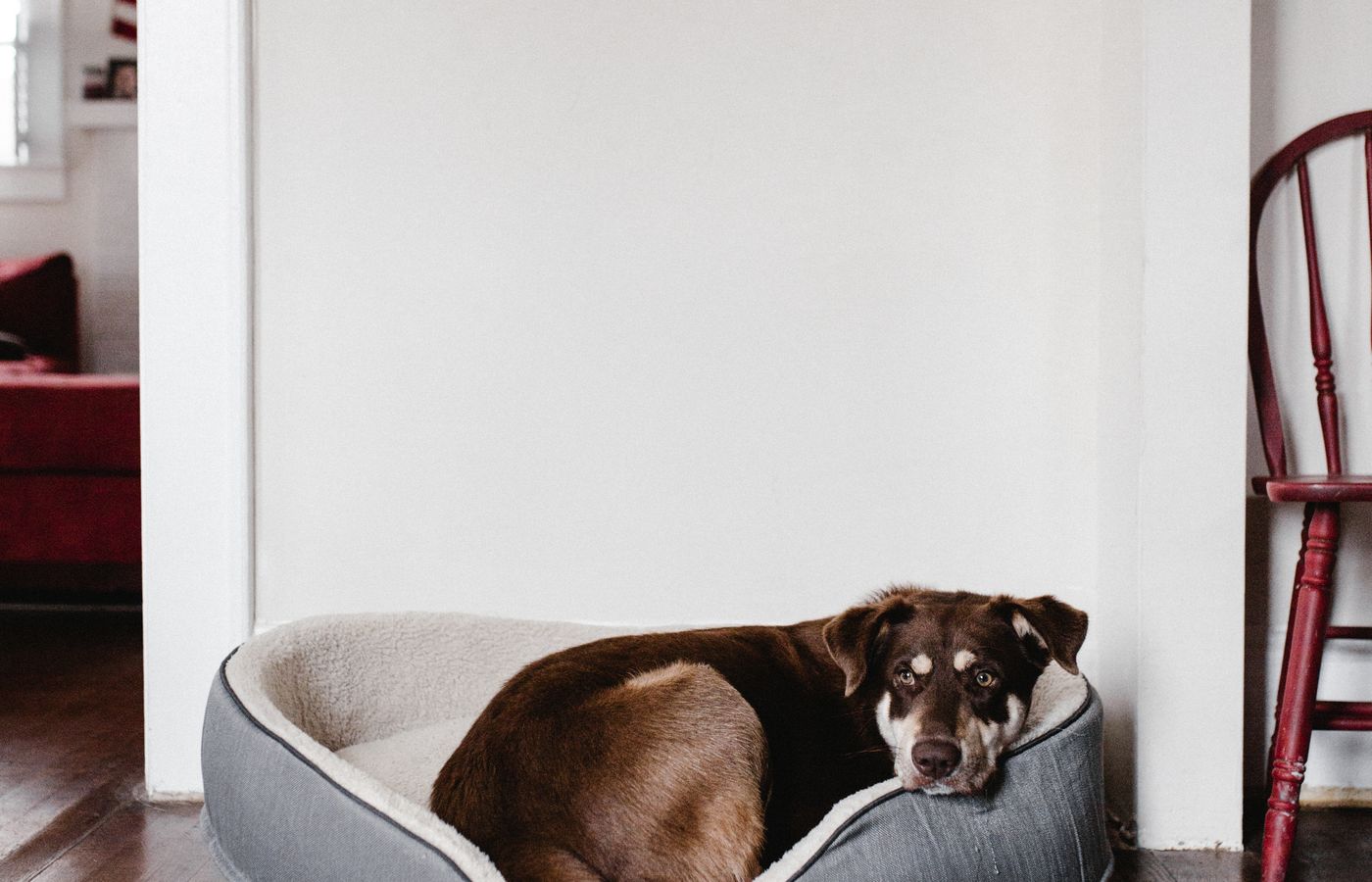
The first few days with a new pet can feel sweet, exciting, and a little loud all at once. People want to meet them, the house smells unfamiliar, doors open and close, and every room seems to offer a new sound. A dog, cat, puppy, kitten, or rescue pet may need a calm place before they can show their real personality.
Learning how to create a quiet space for a new pet is mostly about giving them one predictable retreat. It does not need to be fancy. It needs to feel easy to find, easy to rest in, and protected from too much handling while the animal is still adjusting.
A quiet space is not a punishment corner. It is a home base where the new pet can decompress, sleep, eat calmly, and decide when they are ready for more of the household.
Choose a location that feels calm but not forgotten
The location matters more than the amount of gear. A spare room, bedroom corner, laundry area, office nook, gated hallway section, or quiet part of the living room can all work if the pet can rest without constant traffic. The space should be close enough that you can check in, but not so busy that every footstep turns into a new interruption.
For a cat or kitten, a smaller room is often helpful during the first stage because it keeps food, water, litter, and hiding places easy to understand. For a dog or puppy, a cozy bed or crate near normal family life may feel better than being isolated far away. Rescue pets may need more distance at first, especially if they are nervous around noise, children, or other animals.
Notice the household pattern before choosing the spot. A corner beside the television may look comfortable in the afternoon and become overwhelming at night. A hallway may be quiet until everyone starts leaving for work or school. Pick the place that stays calm during the busiest part of the day.
Set up the new pet quiet space with comfort items
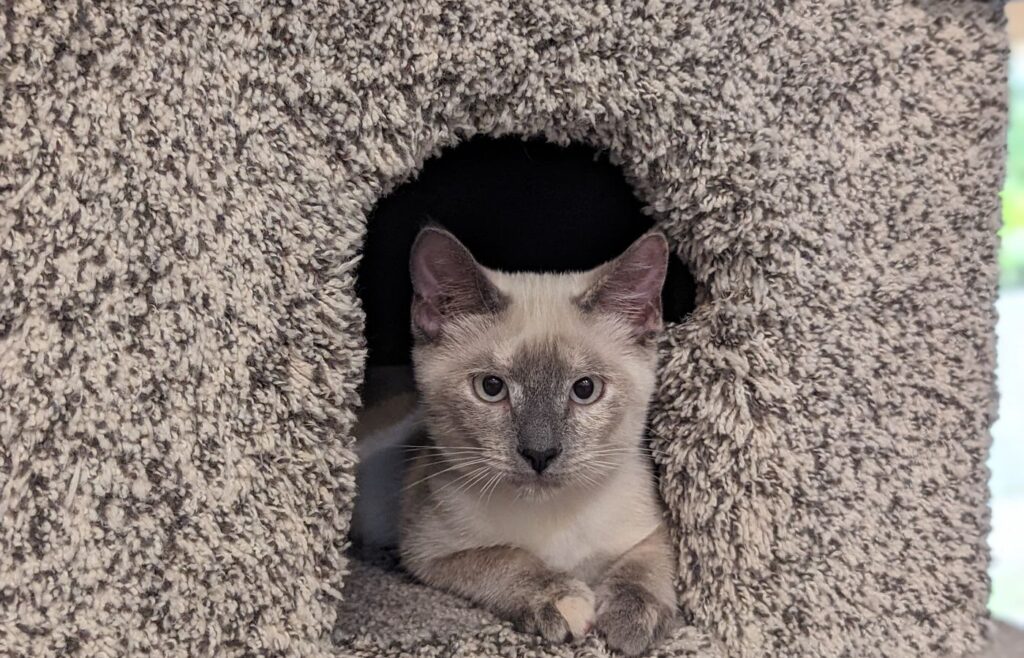
A quiet space should tell the pet what it is for. Add a bed, crate mat, blanket, cat cave, open carrier, or soft towel that gives the animal a defined resting area. Keep the setup simple enough that it can be washed and reset. New pets may have accidents, shed, hide treats, or drag toys into the area while they settle in.
Water should be nearby, especially for a dog after a walk or a cat exploring a new room. Food can be placed there during early adjustment if the pet eats better away from activity. For cats, keep the litter box accessible but not pressed right beside the food and water. For dogs, avoid placing the bed where people have to step over them repeatedly.
| Pet need | Helpful item | Why it matters |
|---|---|---|
| Rest | Bed, blanket, crate mat, or cat cubby | Defines the retreat clearly |
| Hydration | Fresh water bowl nearby | Prevents the pet from leaving the calm spot just to drink |
| Security | One familiar blanket or shelter item | Gives scent and cover during adjustment |
| Cleanliness | Washable bedding and simple floor access | Makes accidents easier to handle calmly |
Control noise, touch, and visitor pressure
The quiet space only works if people respect it. During the first days, ask family members and visitors not to reach into the bed, crate, carrier, or cat cubby. Let the pet come out when they are ready. This is especially important with children, who may feel excited and want to help by petting, calling, or following the animal.
Keep voices low near the area and avoid placing it beside speakers, busy doors, laundry machines, or children running through the room. If the household is naturally active, use a baby gate, closed door, or visual boundary to show that this spot is different. The pet should not have to defend the space to keep it.
- Let the pet leave the space by choice instead of being pulled out.
- Ask children to toss treats nearby rather than crowd the bed.
- Keep other pets away until introductions are planned.
- Move loud chores to another time if the pet is resting.
- Watch for tucked tail, flattened ears, hiding, freezing, or panting.
Use scent and routine to make the area familiar
New pets often trust scent before they trust the whole room. A blanket from the adoption source, a towel rubbed gently on the pet, or bedding that stays in one spot can help the area smell familiar. Avoid washing every item immediately unless it is dirty. A little familiar scent can make the space feel less strange.
Routine helps too. Feed, offer water, start naps, and end busy interactions in the same general area for the first few days. The pet learns that the quiet space is predictable, not random. If they choose to rest there after play or exploration, let that choice count as progress rather than trying to keep the visit going.
I like to treat the first week as a trust-building week, not a performance week. A pet who sleeps, eats, and returns to their calm spot is doing important adjustment work, even if they are not ready to be social yet.
Introduce the rest of the home slowly
The quiet space is a starting point, not the entire life of the pet. Once the animal is eating, resting, and showing curiosity, begin short supervised trips into other parts of the home. Keep doors closed to rooms that are not ready, remove hazards, and let the pet explore at a pace that keeps them responsive.
For cats, open one room at a time and keep the original room available. For dogs, use a leash or gate if the house has stairs, other pets, or too many exciting corners. If the pet gets overwhelmed, guide them back to the quiet space without drama. The goal is to teach that retreat is allowed, not that exploration was a mistake.
- Start with the quiet space fully prepared.
- Let the pet eat, drink, sleep, and observe there.
- Open one nearby area for a short supervised visit.
- Return to the resting space before the pet gets overtired.
- Add more household access only when the pet stays relaxed.
Adjust the setup when the pet shows you what helps
Your first setup may need changes, and that is normal. Some pets want more cover. Others want to see the room from their bed. Some dogs settle better near people, while some cats need a door closed for a few days. Watch what the pet chooses when they are not being directed.
If the animal never uses the bed, the location may be too exposed, too noisy, too warm, or too far from the family. If they hide constantly and stop eating, drinking, or using the litter box, call a veterinarian or the rescue contact for guidance. A quiet space should support adjustment, not hide a health or stress problem.
The best sign is not instant confidence. It is a pet who starts returning to the same safe place on purpose.
Creating a quiet space for a new pet gives the first week a gentler rhythm. Choose a calm location, add washable comfort, protect the area from too much attention, and expand the pet’s world slowly. When the retreat feels predictable, the rest of the home becomes easier to trust.