How to Introduce Two Cats Slowly
Bringing a second cat home can feel hopeful and tense at the same time. You may imagine quiet companionship, shared naps, and easier days, but the first few meetings can also bring hissing, hiding, staring, or sudden chasing. That does not always mean the cats will never get along. It often means the introduction is moving faster than they can handle.
Learning how to introduce two cats slowly gives both cats a better chance to feel safe. A slow introduction uses space, scent, short sessions, and careful observation. The goal is not instant friendship. The goal is steady tolerance first, then comfort, and only later the possibility of real closeness.
Start with a separate room for the new cat
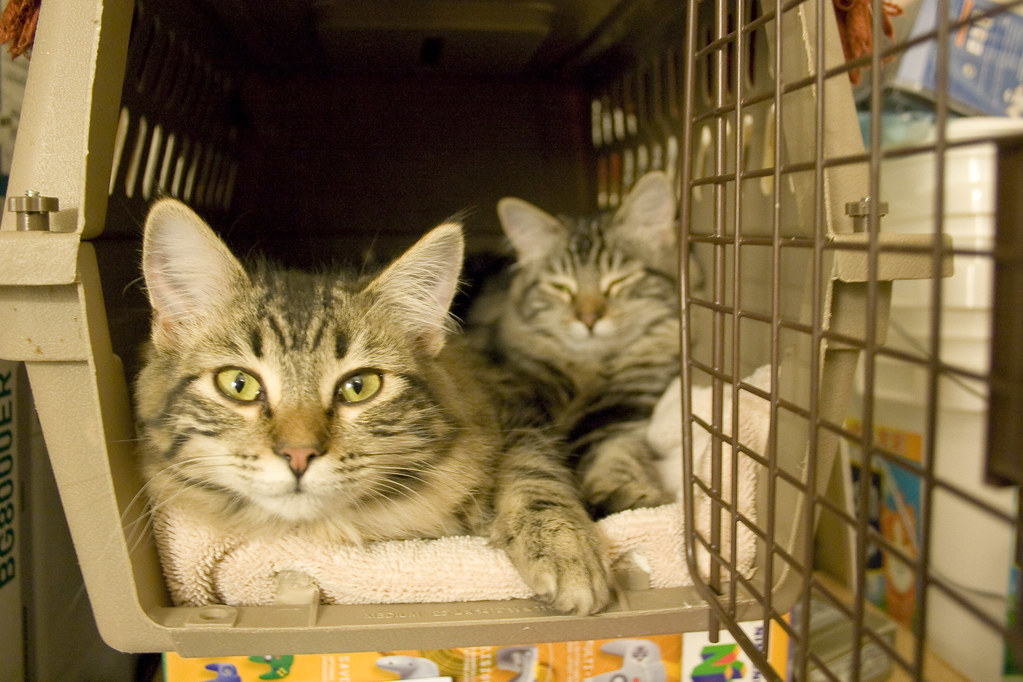
The new cat should begin in a separate room with a closed door. This room needs food, water, a litter box, a resting spot, hiding places, and a few simple toys. It should feel calm enough that the new cat can eat, sleep, and explore without being watched by the resident cat. A bathroom, spare bedroom, or quiet office can work if it is secure.
This setup protects both cats. The resident cat still has the familiar home, and the new cat gets a smaller world to understand before facing another animal. If the new cat is immediately allowed to roam, both cats may feel invaded. If the resident cat rushes the carrier, the first impression can become fear instead of curiosity.
Keep the first day quiet. Let the new cat come out on their own, sniff the room, find the litter box, and learn your voice. Some cats act confident quickly, while others hide for a while. Do not treat hiding as failure. In a new home, hiding can be a normal way to feel safer.
I would not start face-to-face meetings until the new cat is eating, using the litter box, and showing at least some relaxed behavior in the room. A closed door is not a delay; it is the foundation.
Use scent before sight
Cats learn a lot through scent, so scent swapping should come before visual contact. Rub a soft cloth on one cat’s cheeks or bedding, then place it near the other cat’s area. You can also swap blankets, beds, or toys. The point is to let each cat notice the other without pressure, chasing, staring, or blocked escape paths.
Watch how each cat reacts. Sniffing and walking away can be fine. Mild curiosity is fine. Hissing at the cloth does not mean the introduction is ruined; it means the scent is still intense. Move slower, place the scented item farther away, and pair the experience with food or calm attention.
Do not force either cat to smell the item. Leave it nearby and let them choose. Forced investigation can make scent feel like a threat. The calmer version is simple: scent appears, nothing bad happens, the cat keeps control, and the scent becomes more familiar over time.
Scent is the quiet introduction before the visible one. If both cats can smell bedding or cloths without strong stress, you have a better base for the next step.
Feed near the closed door without creating pressure
Feeding near the closed door can build a positive connection, but the distance matters. Start far enough away that both cats will eat comfortably. If a cat refuses food, growls, freezes, or stares at the door instead of eating, the bowls are too close. Move them back and make the session easier.
The idea is for each cat to notice the other nearby while something pleasant happens. The door prevents direct contact, so the cats can hear and smell each other without needing to defend space. Over several meals, you can move the bowls slightly closer if both cats stay relaxed.
Signs that the distance is working include:
- Eating normally near the door.
- Brief sniffing without lunging or repeated growling.
- Loose body posture after the meal.
- Leaving the area calmly when finished.
- Returning to normal routines after the session.
Do not rush this step because one meal went well. Cats can handle one calm moment and still struggle the next day. Look for a pattern of calm meals, not a single lucky session.
Let the cats see each other through a safe barrier
When scent and door feeding are going well, visual contact can begin through a barrier. A baby gate, cracked door with a secure doorstop, screen door, or carrier setup can help, depending on your home and the cats’ behavior. The barrier should prevent a sudden rush while still letting the cats see each other briefly.
Keep the first visual sessions short. A few seconds of calm looking can be enough. End before tension builds. If one cat crouches, growls, flattens ears, lashes the tail, or stares without blinking, increase distance or block the view again. You are teaching the cats that seeing each other does not lead to conflict, so it helps to create a quiet space for a new pet before direct access expands.
Use food or play on both sides if it helps them stay relaxed. The cats do not need to approach the barrier. In fact, distance can be useful. A cat that can look from across the room and then return to eating is showing more comfort than a cat pressed against the gate and ready to swat.
This stage may last days or weeks. That is normal. The right pace is the pace where both cats can recover quickly after each session and return to normal behavior.
Plan first meetings around exits and resources
The first open-room meeting should happen only after both cats have handled barrier sessions without strong stress. Choose a neutral or easy-to-control room if possible. Remove tight hiding spots where one cat could trap the other, but leave safe exit paths, high spots, and open spaces. Cats need choices to feel safer, just as they do during the first-week new-pet adjustment period.
Before the meeting, place resources in a way that avoids competition. Do not ask two cats to meet beside one food bowl, one litter box, or one favorite bed. Shared resources can turn curiosity into tension. Use separate bowls, extra water, multiple resting spots, and more than one litter area as the household adjusts.
Watch for helpful and concerning signals:
- Helpful: slow blinking, looking away, sniffing and retreating, relaxed walking, or choosing distance.
- Concerning: stalking, cornering, repeated swatting, blocking exits, hard staring, chasing, or low growling that escalates.
- Neutral: brief hissing, cautious walking, tail movement, or choosing to leave the room.
Brief hissing is not always a disaster. A fight, chase, or trapped cat is different. If the meeting becomes intense, separate calmly and return to an easier stage. Do not punish either cat for being stressed.
Introduce two cats slowly with a short routine
A steady routine makes the process easier to repeat. It also helps people avoid the common mistake of extending a good meeting until it becomes a bad one. End sessions while they are still calm, even if that means stopping after two minutes. Positive short sessions are more useful than one long session that ends in panic.
Use this gradual routine:
- Keep the new cat in a safe room until basic routines are stable.
- Swap bedding or cloths so both cats learn each other’s scent.
- Feed both cats at a comfortable distance from the closed door.
- Begin short visual sessions through a secure barrier.
- Allow brief supervised meetings with clear exit paths.
- Separate before tension rises, then repeat later.
- Increase time together only when both cats recover calmly.
Pause or step back if either cat stops eating, hides constantly, guards the door, blocks resources, or seems unable to relax after sessions. A slower pace is not a failure. It is how the household protects trust while the cats learn a new social arrangement.
Introducing two cats slowly is really about reducing pressure. Give the new cat a safe room, trade scents before sight, use meals carefully, add visual contact behind a barrier, and keep early meetings short. Some cats become close, some become polite roommates, and both outcomes are much safer when the introduction respects their pace.