How to Keep a Cat Entertained Indoors
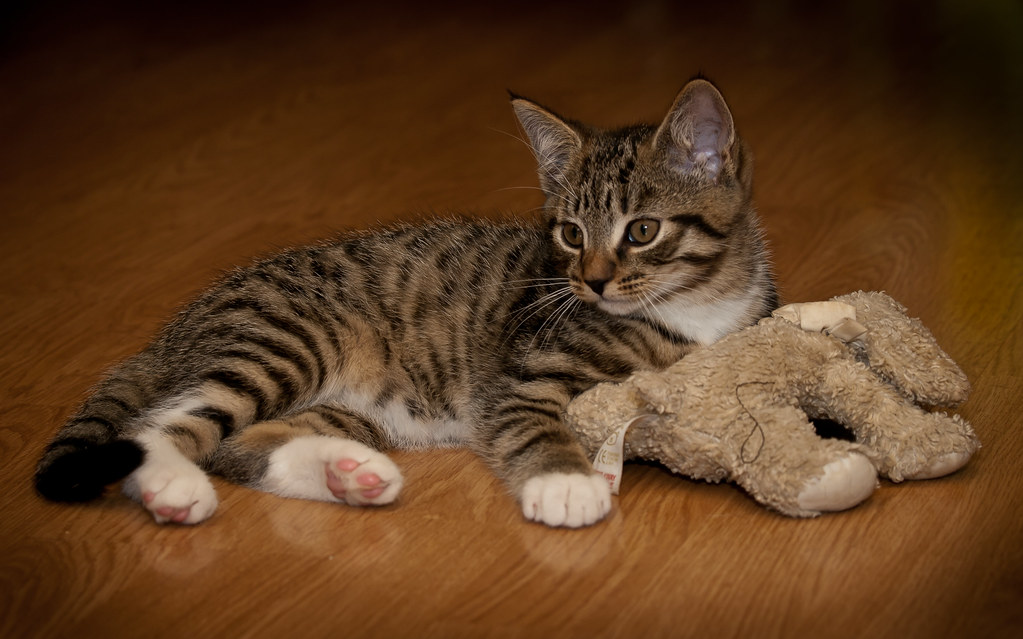
Indoor cats need more than a food bowl, a litter box, and a comfortable nap spot. They also need chances to stalk, chase, climb, scratch, watch, hide, and solve small problems. When those needs are ignored, boredom can show up as nighttime noise, furniture scratching, overeating, tension with other pets, or a cat that seems restless without an obvious reason.
Learning how to keep a cat entertained indoors is not about filling the house with expensive toys. A better plan gives the cat several small choices across the day. Short play, useful scratching areas, window views, food puzzles, and quiet resting spaces can make indoor life feel fuller without turning the home into a crowded playroom.
Start with the way cats naturally play
Cats are hunters by instinct, even when they live fully indoors and sleep on the sofa. A good play routine usually follows that pattern: notice, stalk, chase, pounce, grab, and then settle. Toys that move like prey tend to hold attention longer than toys that simply sit in the middle of the floor.
Use wand toys, soft mice, crinkle balls, rolling toys, or a string-style toy only when supervised. Move the toy away from the cat, behind a chair leg, across the floor, or around a corner. If the toy always comes straight toward the cat’s face, the game may feel confusing rather than exciting.
Let the cat catch the toy sometimes. A game with no catch can create frustration, especially for younger cats. After a few energetic passes, slow the movement down and let the cat pounce. That small win helps the session feel complete.
Watch body language as much as the clock. Wide eyes, a twitching tail, crouching, and focused ears can mean the cat is engaged. Turning away, grooming suddenly, or walking off can mean the session is done for now.
Plan short play sessions instead of one long session
Many cats respond better to several short bursts of play than to one long block. Five to ten minutes before breakfast, another few minutes in the evening, and a brief session before bed may do more than a single half-hour attempt. Indoor entertainment works better when it matches the cat’s natural bursts of energy.
This also helps busy owners stay consistent. A short session is easier to repeat than a complicated routine that only happens once a week. Keep one or two toys where you will actually use them, such as near the sofa, home office, or bedroom door. The easier the toy is to reach, the more likely play becomes part of daily life.
Rotate intensity too. Some sessions can be active chasing. Others can be slower stalking from behind furniture. Older cats, shy cats, and cats with lower mobility may prefer careful movement, low jumps, and toys that stay near the floor. The goal is not exhaustion. The goal is useful engagement.
A cat does not need constant entertainment; it needs repeated chances to choose, chase, watch, scratch, and rest.
Give indoor cats things to watch
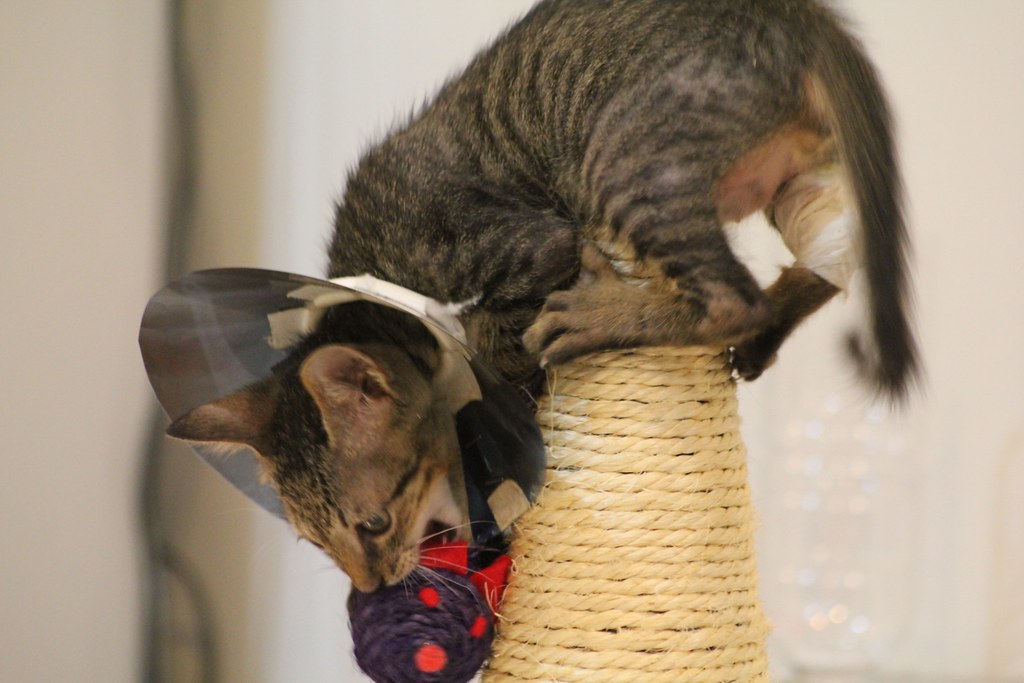
Watching is a real activity for many cats. A window perch, stable chair, wide sill, or cat tree near a safe window can provide movement, light, sounds, and changing scenery. Birds, leaves, people, cars, rain, and shadows can all become part of the cat’s day.
Safety comes first. Screens should be secure, windows should not open wide enough for escape, and the perch should not wobble. If a cat is heavy or jumps with force, test the surface first, then decide whether it belongs in the routine. A good lookout spot should feel stable every time the cat lands on it.
You can make the view more interesting without overdoing it. Move a cat bed near the window, open curtains during calm parts of the day, or place a scratching post nearby so the cat has another activity after watching. Some cats enjoy bird videos or gentle nature sounds, but use screens carefully and stop if the cat becomes frantic or frustrated.
For apartments without an exciting view, light and height still help. A shelf, perch, or furniture route that lets the cat observe the room from above can make the same indoor space feel larger.
Set up scratching as entertainment, not punishment control
Scratching is exercise, scent marking, stretching, and stress release. If the only scratching surface is hidden in a corner the cat never visits, the cat may choose furniture because it is in the right place, not because it is being difficult. Put scratching options where the cat already spends time. That adjustment is easier to read alongside cat sleep patterns, because small behavior changes can mean different things for a cat.
Offer different textures if possible. Some cats prefer sisal rope. Others like cardboard, carpet, or wood. Some scratch vertically, while others want a horizontal pad. A cat that ignores one post may still love a different shape or texture.
Good scratching setups often include:
- A tall, stable post near a favorite resting area.
- A cardboard scratcher beside the sofa or hallway.
- A horizontal pad for cats that stretch low.
- A scratching surface near a window or play area.
- A backup option in multi-cat homes so one cat does not guard the only post.
Reward use with attention, play, or a treat if that fits the cat. Avoid forcing paws onto the post. That can make the surface feel unpleasant. A toy moved around the post or a little catnip can invite exploration without pressure.
Add food puzzles and hidden treats carefully
Food can turn a quiet indoor day into a small problem-solving session. Puzzle feeders, treat balls, snuffle mats, and simple hiding spots encourage a cat to work a little for part of its food. This can be especially useful for cats that eat too quickly or ask for attention when they are actually bored. That adjustment is easier to read alongside using a scratching post, because small behavior changes can mean different things for a cat.
Start easy. If a puzzle is too difficult, the cat may quit. Place a few pieces of kibble in an open egg carton, on a towel fold, or inside a simple feeder where the cat can succeed quickly. Once the cat understands the idea, make the challenge slightly harder.
Food games should fit the cat’s diet and health needs. Count treats as part of the daily food amount, and avoid using food puzzles if a veterinarian has given specific feeding instructions that conflict with them. For multiple cats, watch whether one cat takes every reward while another gives up.
Keep the first attempts calm. Put the puzzle in a quiet area, stay nearby without hovering, and remove it if the cat starts pawing in frustration instead of investigating.
A puzzle should make food more interesting, not make the cat anxious or hungry.
Rotate toys so old objects feel new again
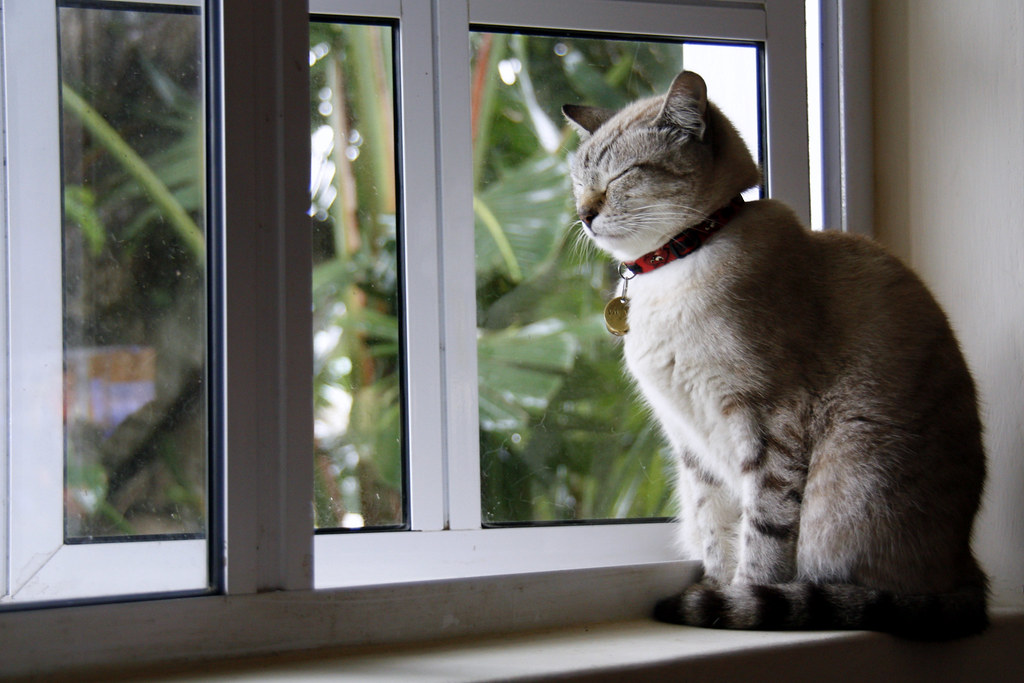
Many cats ignore toys because the toys never change. A basket full of the same objects every day becomes background clutter. Instead of leaving everything out, keep a small set available and store the rest. Bring different toys back every few days so they regain some novelty.
Rotation also helps you notice what the cat actually likes. One cat may prefer soft toys that can be carried. Another may prefer rolling balls, feathers, tunnels, paper bags, or boxes. Track the response instead of assuming every cat wants the same thing.
Simple rotation ideas include:
- Leave out two or three toys at a time.
- Put noisy toys away at night if they disrupt sleep.
- Store wand toys after supervised play so strings do not become hazards.
- Refresh cardboard boxes before they become torn or dirty.
- Remove broken toys with loose pieces, wires, bells, or stuffing.
Boxes and paper bags can be useful as long as handles are removed and the material is safe. Many cats enjoy hiding, ambushing, and investigating more than they enjoy a toy that only looks cute to humans.
Build a daily indoor cat routine that stays realistic
The most useful entertainment plan is one the household can repeat. It should include movement, observation, scratching, food interest, and rest without making every day feel like a project. A predictable rhythm can also reduce nighttime restlessness because the cat gets attention before the quiet hours begin.
Try this simple routine:
- Offer a short play session before breakfast.
- Open a safe window view or perch area during the day.
- Leave one scratcher and one quiet toy available.
- Use a small food puzzle for part of a meal or treat allowance.
- Rotate one toy in the evening to renew interest.
- Play briefly before bed, then let the cat catch the toy.
- End with calm food, water, litter access, and a resting spot.
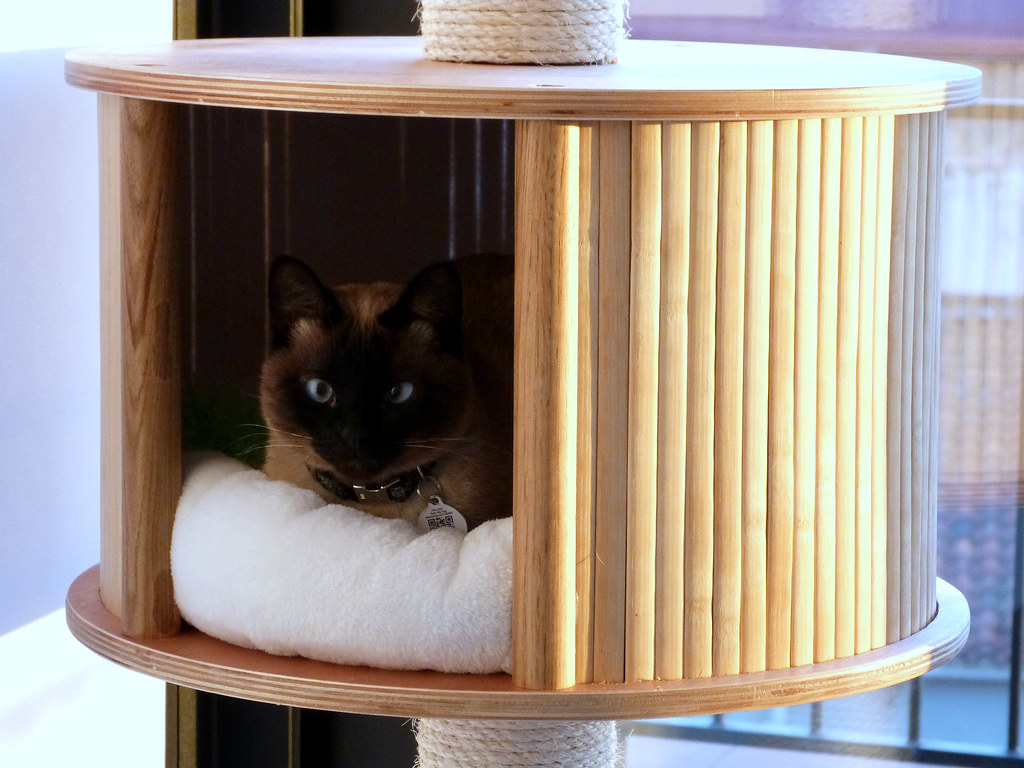
Adjust the plan for age, health, and personality. A kitten may need more frequent play. A senior cat may prefer gentler movement and easier climbs. A nervous cat may enjoy hiding spaces and quiet observation more than fast games.
Keeping a cat entertained indoors comes down to variety that makes sense. Give the cat something to chase, something to scratch, something to watch, something to solve, and somewhere peaceful to rest. When those pieces appear in small doses across the day, indoor life becomes richer without overwhelming the home.