What to Put in a Pet Emergency Kit
A pet emergency kit is easy to postpone because daily life feels normal until it suddenly does not. A power outage, storm warning, wildfire smoke alert, apartment leak, road closure, or late-night illness can turn small missing items into stressful decisions. The kit does not need to be dramatic. It needs to be complete enough that you are not searching drawers while your dog is anxious or your cat is hiding under the bed.
The most useful pet emergency kit checklist starts with ordinary needs: food, water, medication, identification, records, cleanup, and a way to move the pet safely. Those basics matter more than buying a prepacked bag with items you do not understand.
Think of the kit as a calm starting point, not a promise that every emergency will be simple. It should help you leave, wait, call for help, or spend a night somewhere else with fewer gaps.
Plan for the emergency your pet would actually face
A good kit begins with the situations most likely in your home, not a vague disaster list. A city apartment may need carrier access, elevator outage planning, medication copies, and cleanup supplies. A house in a storm area may need extra water, towels, leash backup, and a place to keep the kit above floor level. A pet with medical needs needs a different kit from a healthy young pet.
I like to write the first version as a one-night plan. If you had to leave the home for a few hours or sleep somewhere else tonight, what would your pet need before morning? That question keeps the checklist practical.
Once the short version works, add the longer items: extra food, refill reminders, spare paperwork, and seasonal changes. The kit should match your pet’s age, size, medication, feeding routine, mobility, and stress level.
Cover food, water, bowls, and feeding instructions
Food is the first item people remember, but the useful details are smaller. Pack several days of your pet’s regular food in a sealed container or clearly labeled bags. Include a can opener if the food requires one. Add collapsible bowls or lightweight bowls that can be washed quickly. If your pet eats measured meals, include the scoop or write the amount on the bag.
Water matters too. Store water for the pet separately from the household supply if possible, or label how much is reserved for pets. Cats, small dogs, large dogs, and pets on wet food will not use the same amount. Do not rely on finding clean bowls during an emergency.
| Kit item | Why it matters | Simple check |
|---|---|---|
| Regular food | Prevents sudden diet changes during stress | Enough for several days |
| Water | Covers delays, heat, and travel | Stored or clearly reserved |
| Bowls | Makes feeding possible away from home | Lightweight and washable |
| Feeding note | Helps another person care for the pet | Amount, timing, and restrictions written down |
Add medication, medical details, and first aid basics
Medication should be handled with more care than almost anything else in the kit. If your pet takes prescription medicine, ask your veterinarian how to keep an emergency supply without letting it expire. Do not move pills into an unlabeled container where the name, dose, and instructions can be lost. Keep copies of prescription details with the kit.
First aid supplies can help with small problems while you call for professional guidance, but they do not replace veterinary care. Gauze, bandage material, gloves, tweezers, a towel, saline rinse, and a digital thermometer can be useful. Avoid packing human pain medicine as a do-it-yourself solution. Many human medications can be dangerous for pets.
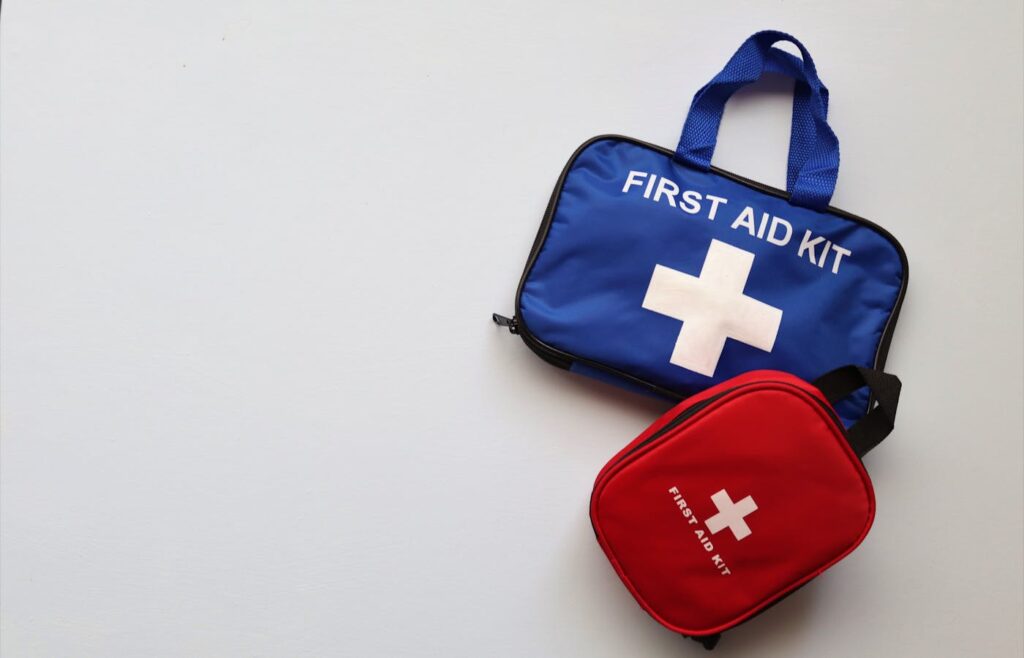
The first aid part of the kit should make safe handling easier, not encourage guesswork.
Keep ID, photos, and veterinary records together
Identification becomes more important when routines break. Keep a recent printed photo of the pet, a photo of you with the pet if possible, microchip number, collar or tag information, veterinarian contact details, and emergency clinic information in a waterproof sleeve or folder. Add vaccination records, medication list, known allergies, and major health notes.
This paperwork is not only for worst-case situations. It can help at a hotel, shelter, boarding facility, temporary caregiver’s home, or veterinary clinic you do not normally use. If your phone battery dies or service is weak, printed information becomes more useful than an app you cannot open.
For cats that do not wear collars at home, keep a breakaway collar and ID tag in the kit. For dogs, include a spare leash and a backup collar or harness if the normal one is usually near the door instead of inside the emergency bag.
Prepare carriers, leashes, and safe transport items
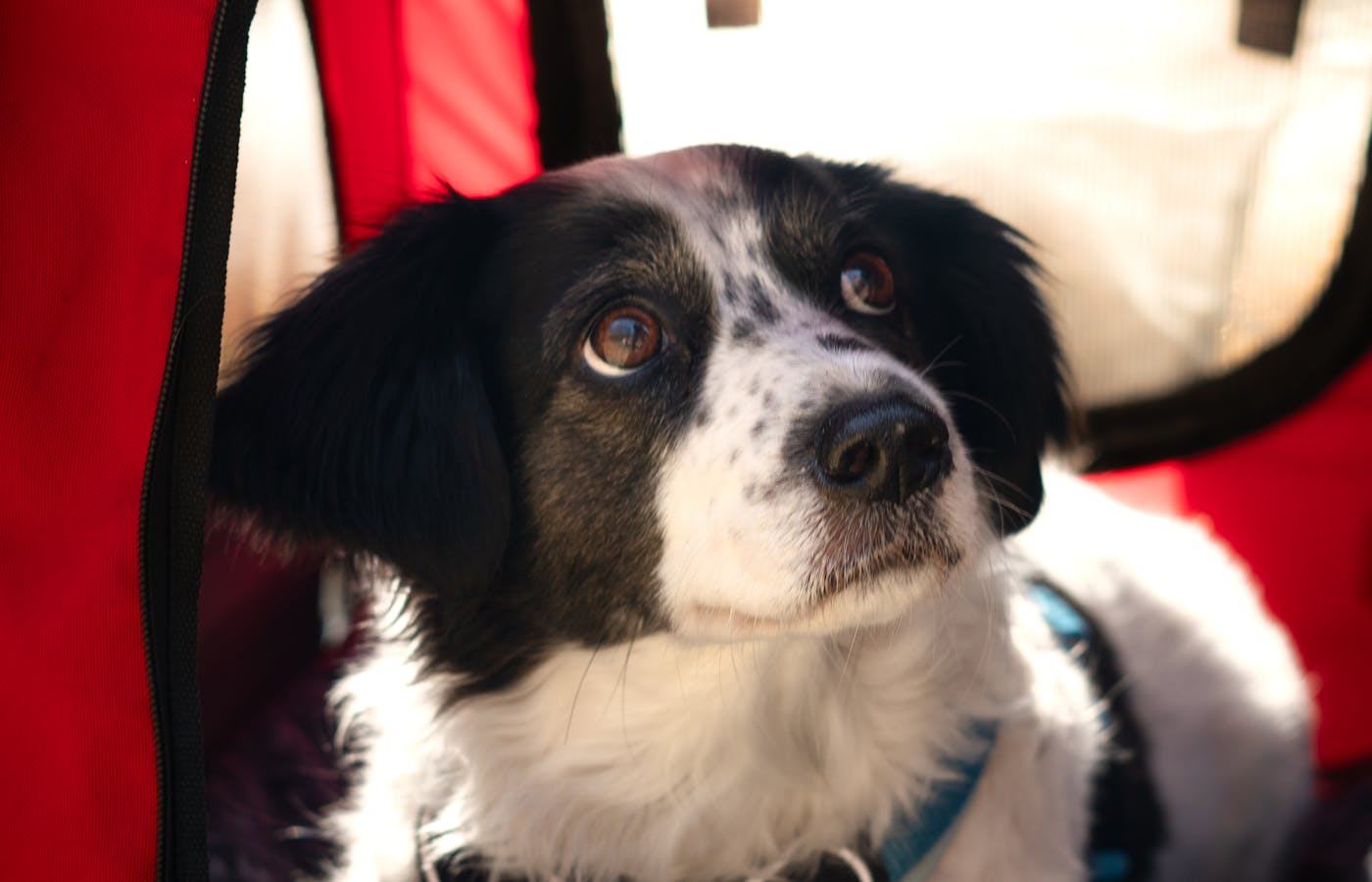
Safe transport belongs in the kit because supplies do not help much if the pet cannot leave the home with you. Cats need carriers that close securely. Small dogs may need a carrier too, especially if they become frightened or if you must keep both hands free. Larger dogs need a strong leash, properly fitted collar or harness, and a backup clip or slip lead if appropriate.
Do not store the carrier in a place you cannot reach quickly. A garage shelf behind boxes or a storage room across the building can cost time. The carrier should also be familiar enough that the pet does not only see it during panic. Leave it open sometimes with a towel inside so it smells less strange.
- Check that carrier doors, zippers, clips, and handles close securely.
- Keep a leash or harness inside the kit, not only by the front door.
- Add a towel for grip, warmth, or covering a nervous carrier.
- Label the carrier with your name and phone number.
- Practice putting the pet inside before an emergency forces the issue.
Pack cleanup supplies for stress, mess, and waiting
Emergencies create messy delays. A nervous dog may have an accident. A cat may vomit in the carrier. A hotel room, car seat, shelter corner, or friend’s laundry room may need quick cleanup before anyone can relax. Pack waste bags, paper towels, disinfecting wipes that are appropriate for surfaces, a small trash bag, and a washable towel.
For cats, include a small amount of litter, a disposable tray or compact travel litter box, and a scoop if the situation may last overnight. For dogs, pack extra waste bags and consider a pee pad for puppies, senior dogs, or bad-weather delays. Cleanup supplies make the kit feel less polished, but they are the items you will be grateful for fast.
Keep these items separate from food and medication. A clear pouch or labeled bag prevents wipes, trash bags, and litter dust from ending up against feeding supplies.
Include comfort items without overpacking the bag
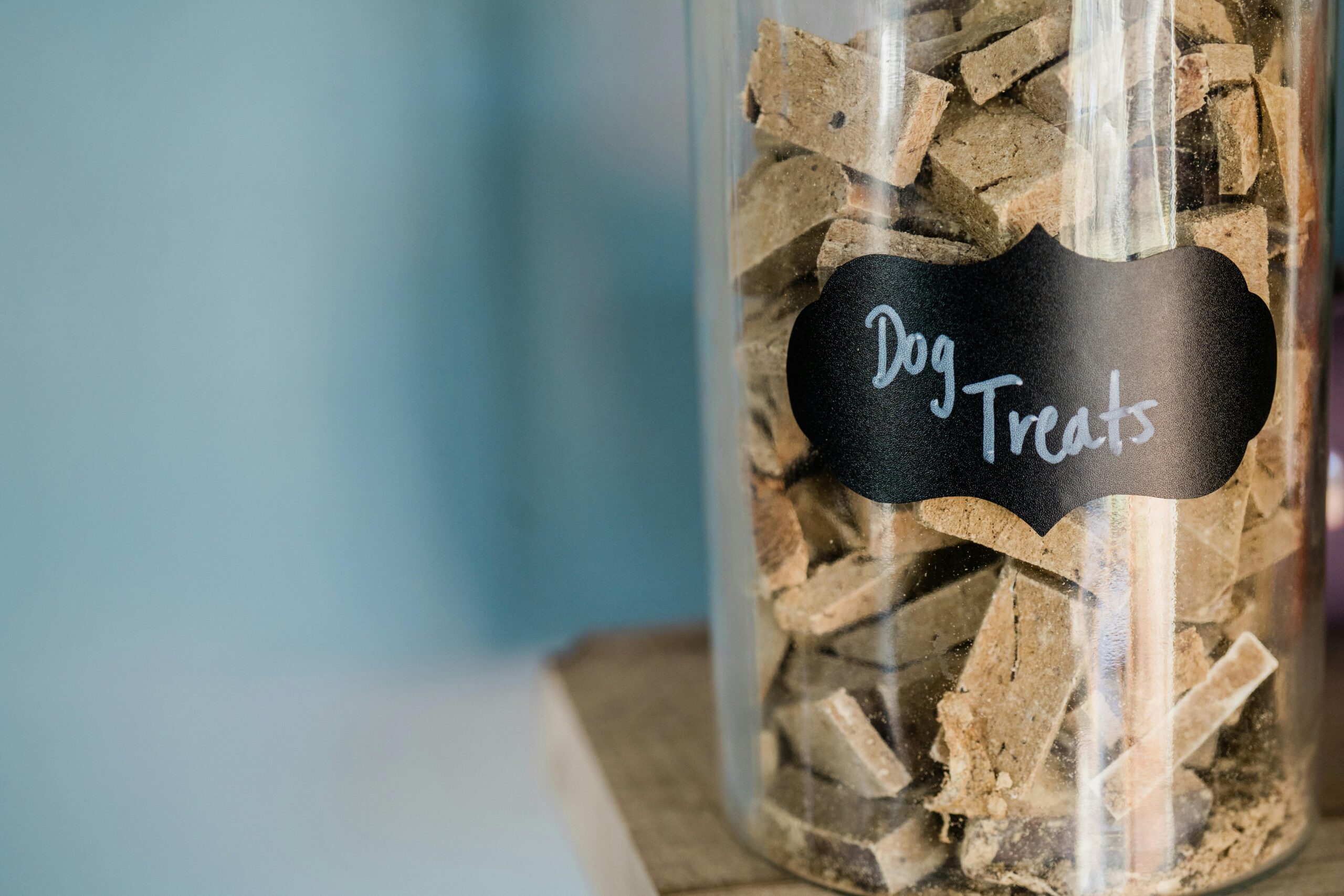
Comfort items should help the pet settle, not turn the kit into a second closet. A familiar towel, small blanket, favorite durable toy, or a small amount of high-value treats can make a stressful wait easier. For cats, a towel that smells like home can help inside the carrier. For dogs, a chew or familiar toy may help during a long delay.
Choose items that are safe under supervision and easy to replace. Avoid toys with small pieces, loose string, or stuffing that your pet might swallow while stressed. Treats should match the pet’s normal diet, especially for pets with allergies, sensitive stomachs, or medical restrictions.
The comfort section is where I would stay intentionally small. One familiar smell and one safe distraction usually beat a bag full of random extras you never check.
Review the pet emergency kit before it quietly expires
An emergency kit can look prepared while the food is stale, the phone number is old, the medication is expired, or the puppy-sized harness no longer fits. The review habit matters as much as the first packing session. Put a reminder on your calendar every few months and after major changes, such as a new medication, move, adoption, microchip update, or diet change.
Use this refill routine:
- Check food dates and replace anything close to expiring.
- Refresh water or confirm the stored supply is still appropriate.
- Review medication names, doses, and veterinary instructions.
- Update phone numbers, microchip details, and printed photos.
- Test carrier closures, leash clips, harness fit, and bowl condition.
- Replace used cleanup supplies before the bag goes back into storage.
A pet emergency kit checklist is only useful if it stays connected to the pet you have today. Pack the basics, keep the items easy to reach, and review the kit before seasons, moves, or health changes make it outdated. That steady little habit can make a difficult moment feel less chaotic.