Why Does My Cat Hide Under the Bed?

The room can feel strangely quiet when a familiar cat disappears under the bed. You know the cat is there, but the usual greeting, stretch, or slow walk across the floor disappears. Sometimes this is a normal comfort choice. Other times it is a sign that something in the home, routine, body, or mood has changed.
When a cat starts hiding under the bed, begin by looking at timing. A cat hiding after visitors arrive is different from a cat hiding all day, skipping meals, or refusing to come out after years of being social. The reason matters because the response should be calm, patient, and specific.
Veterinary behavior guidance generally treats sudden hiding as a context clue, not a personality flaw. The useful question is whether the cat is choosing a quiet retreat or showing a new pattern alongside appetite, litter box, movement, grooming, or breathing changes.
Notice when your cat hides under the bed
The first clue is the pattern. Some cats hide under the bed during noisy parts of the day and come out when the house is quiet. Others hide only after a doorbell, vacuum, thunder, new person, or sudden movement. A new cat may choose the bed because it is dark, protected, and close to familiar scent once it has started sleeping in that room.
Write down when the hiding happens for a few days. Note the time, noise level, people in the home, other pets, meals, litter box use, and whether the cat comes out on its own. This keeps you from guessing based on one stressful moment. Cats are subtle, and a small pattern can explain more than one dramatic event.
Hiding can also be a normal resting habit. A cat may simply enjoy a cool, dim space where nobody touches them. That is not automatically a problem. The concern rises when the hiding is new, extreme, linked with fear, or paired with changes in appetite, movement, grooming, litter box habits, or breathing.
The question is not only where the cat hides, but what changed around the hiding.
Separate comfort hiding from stress hiding
Comfort hiding usually has a relaxed rhythm. The cat may nap under the bed, stretch when leaving, eat normally, use the litter box, groom, and interact at other times. Stress hiding feels different. The cat may crouch tightly, keep pupils wide, flatten ears, freeze, hiss, refuse food, or dart back under the bed at small sounds.
Use the whole body as a guide. A tucked tail, stiff posture, fast breathing, growling, or repeated attempts to escape can suggest fear. A loose body, slow blinking, normal appetite, and predictable coming and going suggest the hiding spot may simply feel safe and pleasant.
This table can help sort the early clues:
| Pattern | What it may mean |
|---|---|
| Hides during visitors only | Noise or unfamiliar people may be the trigger |
| Hides after moving homes | The cat may need a smaller safe zone |
| Hides but eats and plays later | It may be a normal retreat habit |
| Hides and skips meals | Watch closely and consider veterinary advice |
| Hides with pain signs | Treat the change as more urgent |
You are not trying to label the cat as dramatic or stubborn. You are trying to understand whether the bed is a chosen retreat or the only place the cat feels able to cope.
Look for changes in the home routine
Cats often notice changes before people connect them to behavior. New furniture, guests, construction noise, a new pet, a new baby, different work hours, changed feeding times, or a moved litter box can all make a cat retreat. The bed offers a low, enclosed space where the cat can watch without being exposed.
Think back over the last week or two. Did anything move? Did the home become louder? Did someone start visiting? Did another animal block a hallway, food bowl, or litter box? A cat may hide under the bed because the route to normal resources feels unsafe or unpredictable.
Common triggers include:
- new people, pets, or smells in the home;
- vacuuming, repairs, fireworks, or storms;
- moved food bowls, beds, or litter boxes;
- conflict with another pet near a doorway;
- changes in the owner’s schedule or sleep pattern;
- recent travel, boarding, or vet visits.
When the trigger is environmental, forcing the cat out usually makes the bed feel even more necessary. A better response is to reduce pressure and make the rest of the room feel safer one step at a time.
Make the hiding spot safe without making it permanent
There is no need to remove the bed as a hiding place immediately. In many cases, the cat needs a safe retreat while it rebuilds confidence. What you can do is make sure the area is safe, clean, and not trapping the cat away from food, water, and the litter box for too long. That adjustment is easier to read alongside cat zoomies, because small behavior changes can mean different things for a cat.
Check that there are no cords, loose items, sharp edges, cleaning products, tiny objects, or unstable storage bins under the bed. If the cat hides there often, keep the area simple. You want the space to be safe enough for retreat but not so cluttered that you cannot tell whether the cat is injured, stuck, or avoiding normal routines.
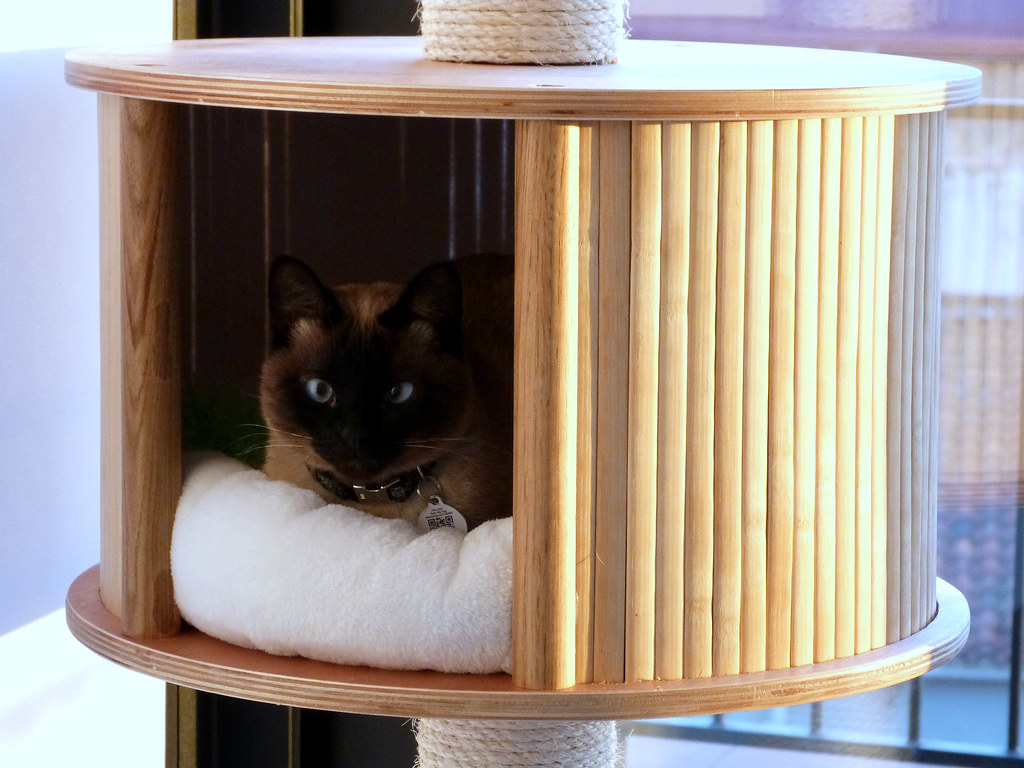
Offer alternative hiding spots that are easier to access and monitor, such as a covered cat bed, open carrier with a blanket, cardboard box with two exits, or a quiet corner with a towel. Place one option near the room where the cat already feels safe. The goal is to give choices, not to take away the only refuge.
A good hiding spot lets a cat feel protected while still allowing normal eating, drinking, litter box use, and gentle observation. That adjustment is easier to read alongside cat sleep patterns, because small behavior changes can mean different things for a cat.

If the cat starts choosing the new spot, leave it in place. Confidence often grows through repeated safe choices, not through sudden exposure.
Respond calmly instead of pulling the cat out
Pulling a hiding cat out from under the bed can damage trust and increase fear. It can also put you at risk of scratches or bites if the cat feels cornered. Unless there is an emergency, give the cat space and use calm invitations. Sit nearby, speak softly, and let the cat decide when to move closer.
Use food, play, and routine carefully. Place a meal at a comfortable distance from the bed, then gradually move it closer to the normal feeding spot as the cat relaxes. Try a wand toy near the edge of the bed, but stop if the cat stays tense. Reward any voluntary step forward with quiet behavior, not sudden grabbing.
A calm response routine:
- Lower noise and reduce foot traffic in the room.
- Check that food, water, and litter access are not blocked.
- Sit at a distance and avoid staring directly.
- Offer a treat or toy near the edge of the hiding place.
- Let the cat come out and retreat again without punishment.
- Repeat at predictable times so the room feels safe.
Small progress counts. A cat looking out, eating nearby, grooming, or stepping out for a few seconds is still information. Do not rush from first progress to full handling.
Know when hiding needs extra attention
Hiding can be linked to pain or illness, especially when it appears suddenly in a cat that normally stays near people. Cats may hide when they feel unwell because quiet, protected places feel safer. That means a new hiding pattern should be taken seriously when it comes with physical or behavioral changes.
Watch for warning signs such as not eating, not drinking, vomiting, diarrhea, straining in the litter box, limping, heavy breathing, drooling, unusual aggression, hiding for most of the day, or refusing favorite activities. A cat that hides and cannot be tempted out for food deserves closer attention than a cat that simply naps under the bed and returns to normal later.
Call a veterinarian promptly if you see:
- no eating for a concerning length of time;
- trouble breathing, collapse, or extreme weakness;
- repeated vomiting or diarrhea;
- straining, crying, or frequent litter box trips;
- visible injury, swelling, or signs of pain;
- a sudden major behavior change with no clear trigger.
If the hiding is related to fear, the plan may be patience and environmental support. If the hiding is related to illness or pain, the plan may need medical help. The safest approach is to respect the hiding while also noticing the full pattern around it.
A cat under the bed is communicating something, even if the message is quiet. Give the cat a safe retreat, reduce pressure, look for triggers, and watch the body signs. When hiding stays mild and predictable, it may be a normal coping habit. When hiding becomes sudden, intense, or paired with health changes, it is worth acting sooner.